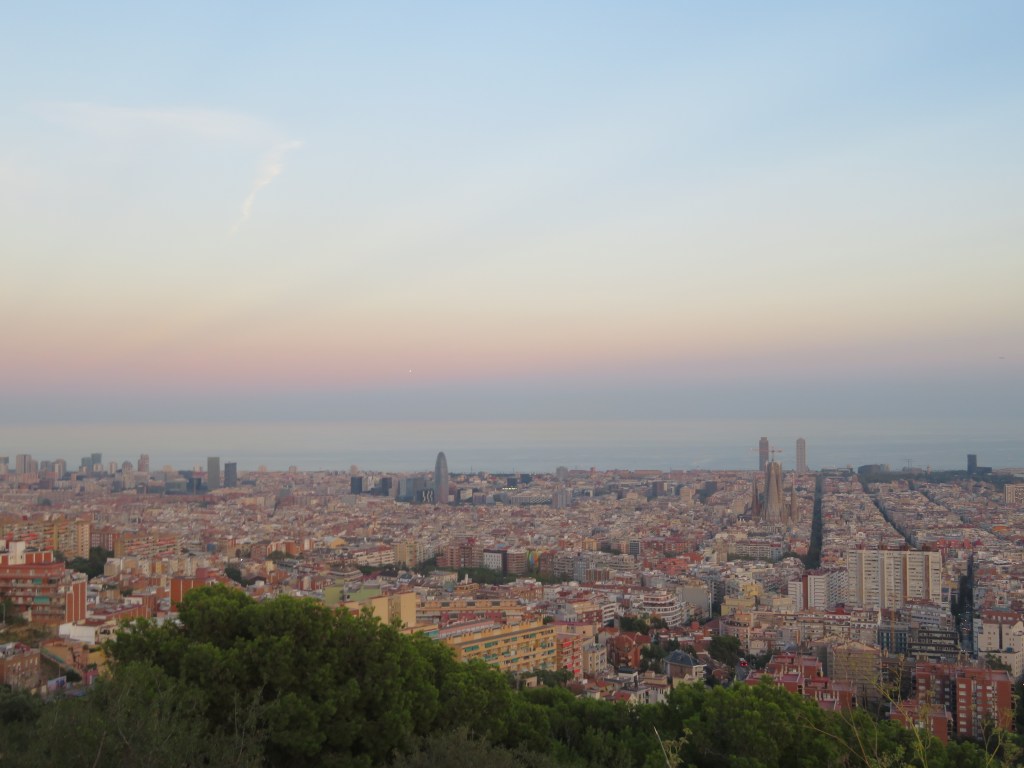
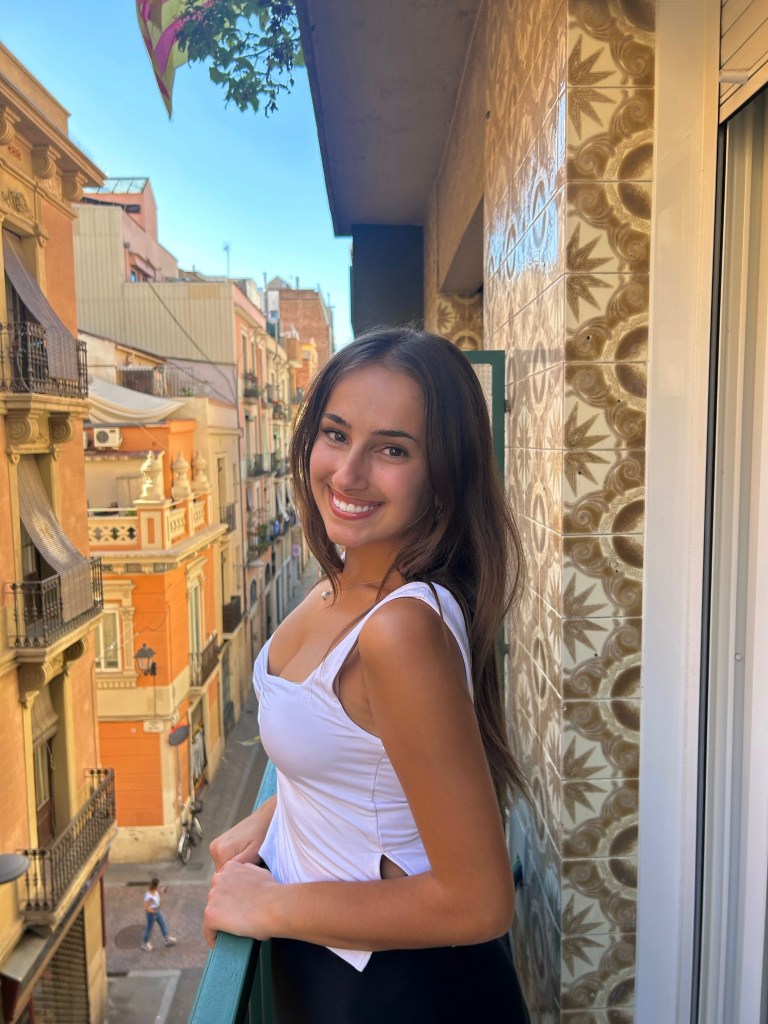
I spent a semester in Barcelona in fall 2023. This is all my advice on navigating the city, fitting in with locals, and making the most of your time studying abroad in Barcelona.
Navigating the City
Language Barrier
I was probably the best Spanish speaker in my small program, yet my skills are quite rudimentary. While I would encourage you to learn some Spanish and Catalan, you’ll get around just fine with only English. People were generally very kind about the language barrier, and some almost seemed eager to practice their English on us. (This is not to say locals love tourists—there is quite a lot of stigma due to problems caused by overtourism.)
Public Transportation
My program provided a free metro pass to every student. I don’t know how I would have functioned without the train system; it’s so convenient and easy to use (and this is coming from someone who never learned how to use the campus buses at my home university). And I do believe it’s a great value for your money if you purchase a 30-day pass. But, be warned, the train platforms are horribly hot and humid in the warmer months.
The train is not open 24/7, so buses are a good option for late night transportation. To access the airport, I found buses to be faster and more comfortable than the train. Additionally, the airport is in a different metro zone and is an additional fee to your Barcelona metro pass.
If you need a taxi, the app FREENOW is Barcelona’s most reliable ride service.
Food, Restaurants and Tipping Culture
If you’re responsible for your own food, it won’t be much different from grocery shopping at home. There are plenty of grocery stores and markets, including familiar names like Aldi. Groceries are quite inexpensive compared to what I spend Minneapolis.
Local staples you must try include patatas bravas, croquettas, empanadas, and churros. Barcelona is also known for its sangria, so be sure to split a pitcher with your friends.
I went often to La Boqueria even though it’s “touristy.” It’s a giant market with tons of food stalls, smoothies, and other assorted goodies.
There are so many amazing restaurants in Barcelona, as in any big city! I was told to avoid restaurants with pictures on the menu, as they’re geared toward tourists. I’d also avoid eating anywhere on La Rambla (or really doing anything on La Rambla in general.)
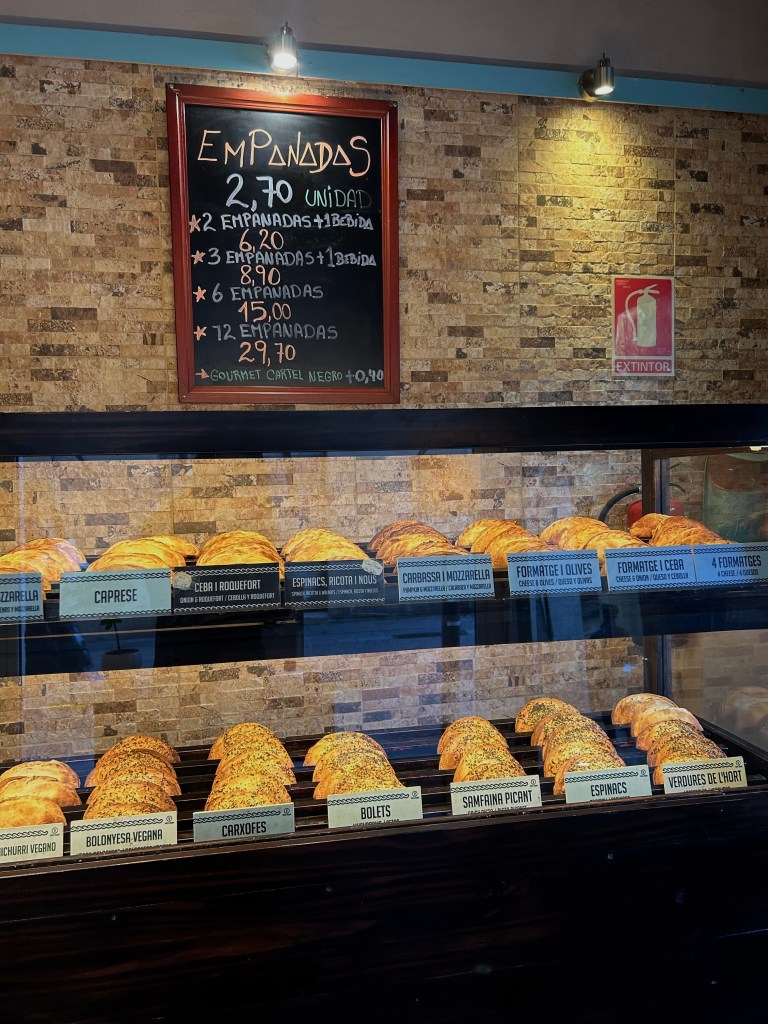
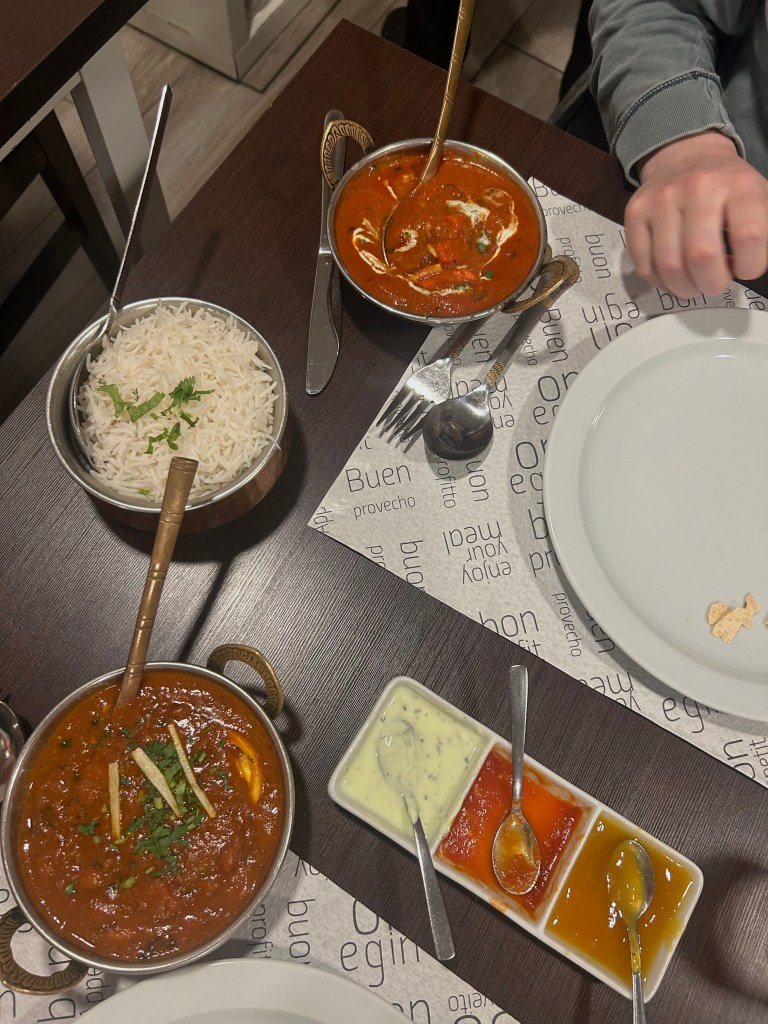

My favorite restaurant was Swagatam—some of the best Indian food I’ve had (and I’ve been to India). You can find fantastic pastries everywhere, and there’s nothing I loved more than sipping a latte with lots of foam and brown sugar on a patio. If you need a late-night (or, more accurately, early morning) meal after the club, stop into a kebab shop. I was on a first-name basis with my neighborhood kebab shop owner.
Tipping at restaurants is generally not expected in Barcelona, but some touristy areas have grown accustomed to Americans leaving tips. I usually rounded up a few euros, but something like a 20% tip is never necessary.
Fashion
You can wear anything you want in Barcelona. It’s a big city full of tourists, and there’s no dress code. But if you love fashion or you want to fit in with the locals, I’m here to help.
The current European fashion style is what I, an American, would describe as “business casual.” However, Barcelona is a more youthful and “edgy” city, so you’ll see more “street style.” When I was there, cargo pants were very trendy.
Barcelona is hot, but you’ll find that locals still wear pants as opposed to shorts. I often wore lightweight linen pants, which are just as comfy as sweatpants. And skirts are always a great option.

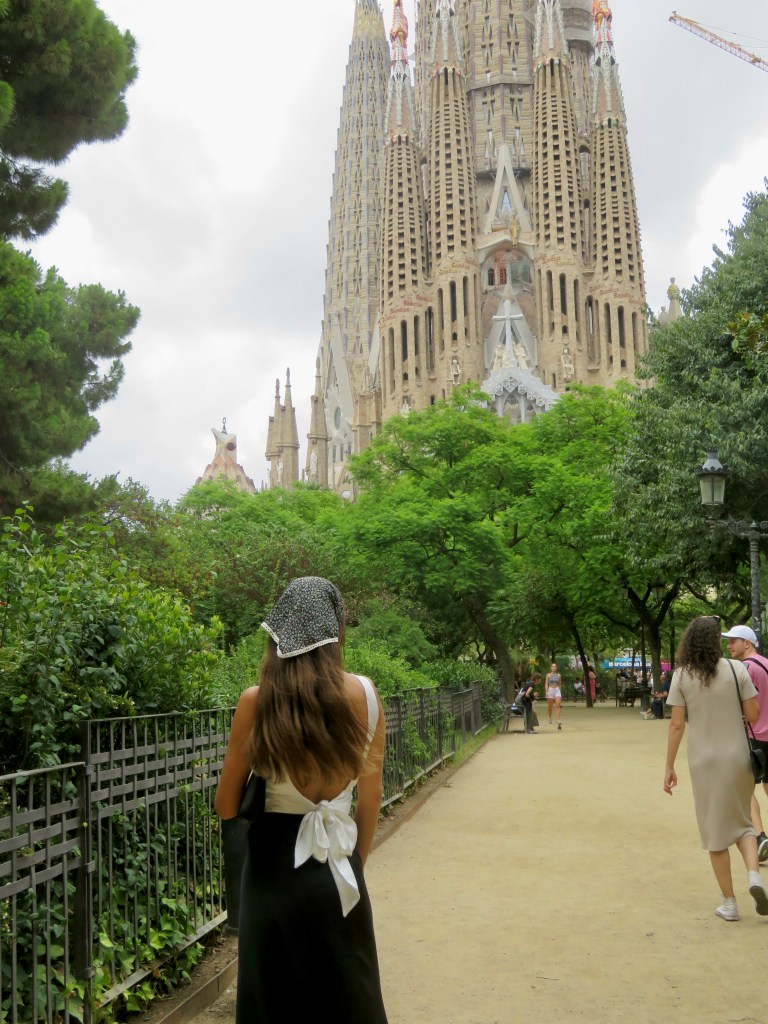

Europeans generally don’t wear sweatpants or leggings unless they’re working out. Dressing up to go to the grocery store or class is something I had to get used to. I ended up buying a matching sweat set from Zara to wear on travel days or even to class when the weather got colder (and I got lazier). It was more elevated than the sweats that I wear to class back home.
Girls don’t wear backpacks to school; they carry tote bags. (And I don’t mean the kind you get at Trader Joe’s—it’s more like a large purse.) I had a hard time finding a proper tote bag in the U.S., so it was one of my first purchases in Barcelona.
Maybe this was just a weird trend at my school when I was a freshman/sophomore, but my friends and I refused to use purses. We would sooner stick our phones in the waistbands of our pocketless pants than carry a purse. In Barcelona, I started carrying a purse daily, and I cannot fathom going anywhere without it now. But at the time, buying a purse was a huge adjustment for me.
When I went clubbing in Barcelona, I dressed relatively similar to how I would on a night out in Minneapolis. From a little skirt and heels to black pants and sneakers, you will fit in just fine.
When the weather got cold, I ditched my gigantic Minnesota winter puffer jacket and bought two jackets at Zara.
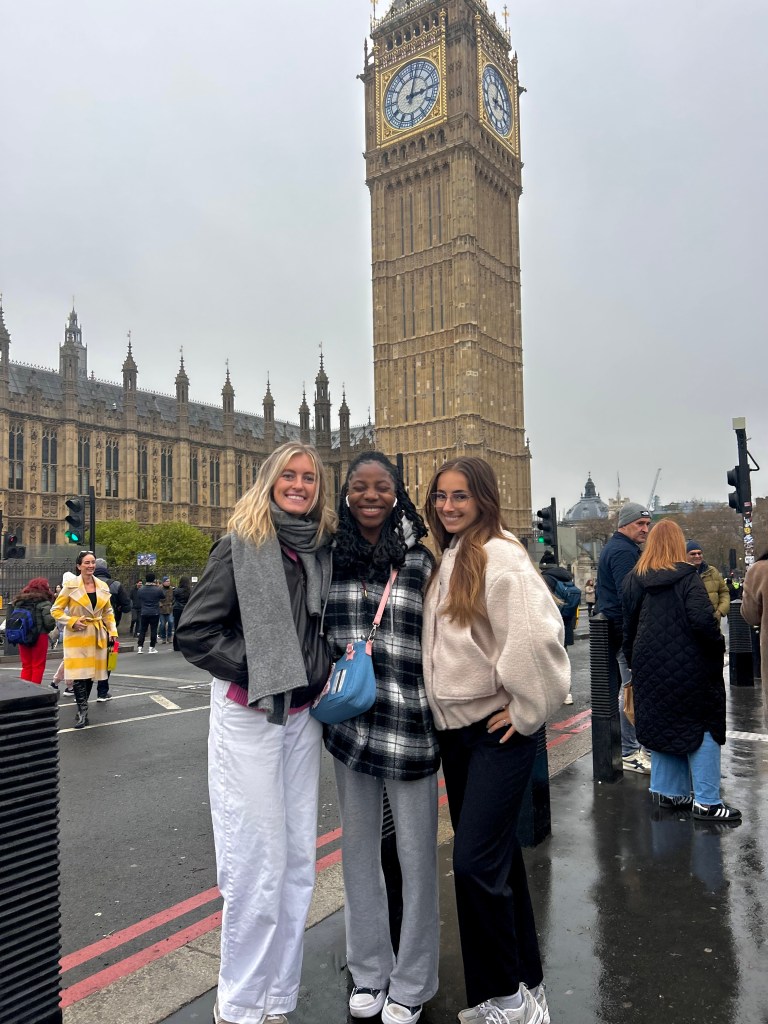

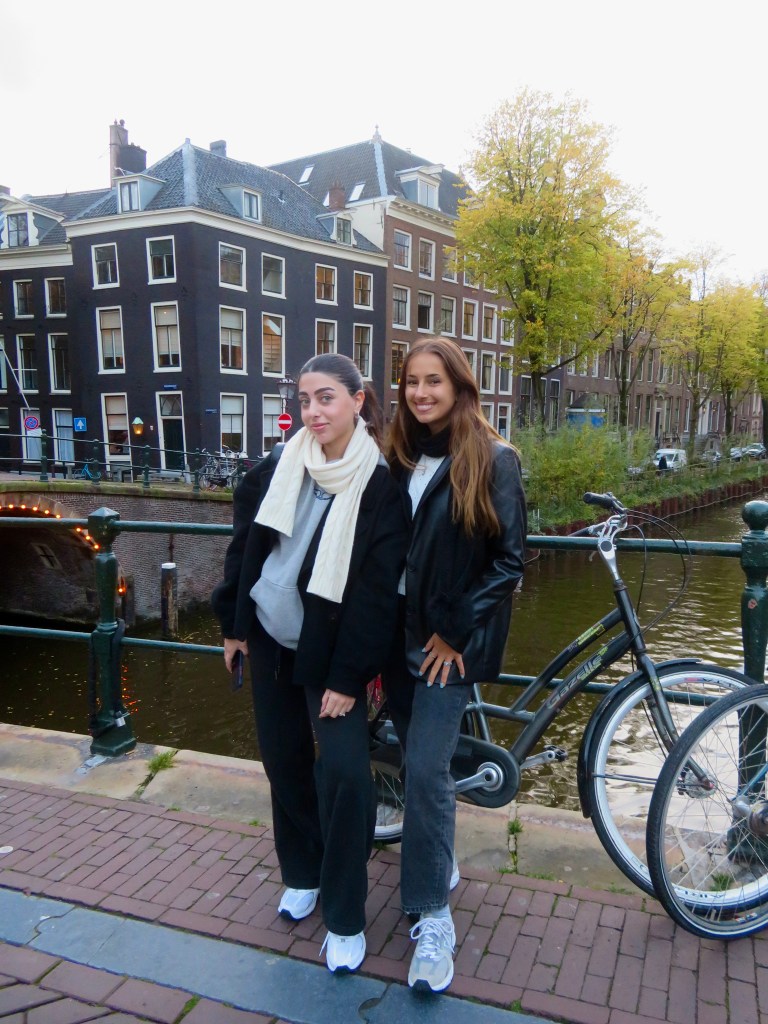
As a general rule, I’d tell you to save your clothes shopping for when you arrive in Barcelona. Don’t do a big “study abroad haul.” If your goal is to fit in with the locals, then you should buy your clothes at local stores. Plus, the shopping in Barcelona is so good. I practically bought an entire new wardrobe at Zara.
Pickpockets
Statistically, 2/3 of students in my study abroad program get pickpocketed. I am proud to say that I beat the statistic! Many of the people in my program who got robbed were men that were publicly intoxicated, so my biggest piece of advice is to be aware of your surroundings and use common sense.
Don’t keep anything in your back pockets. Don’t use a purse with a clip-on strap. Wear backpacks on your front in crowded areas such as public transit, and slide the zippers to the side of the bag. I used a tote bag for school instead of a backpack, as it felt more secure under my arm. Keep your purse/belongings on your lap when seated at restaurants (especially with outdoor seating). Be extra diligent in tourist areas like La Rambla.
On the metro, people might snatch your bag/phone and run out the door right as it closes. Be particularly careful using your phone on public transit or on a street corner where a passing biker might snatch it from your hands.
When I was in a metro station near a tourist destination at night, someone planted a used metro card on the ticket machine. Their goal appeared to be to separate one person from our group and mug them with a bat. Be suspicious of things like a “free” metro card.
(Read my full guide on Avoiding Pickpockets before you visit Barcelona!)
Attractions
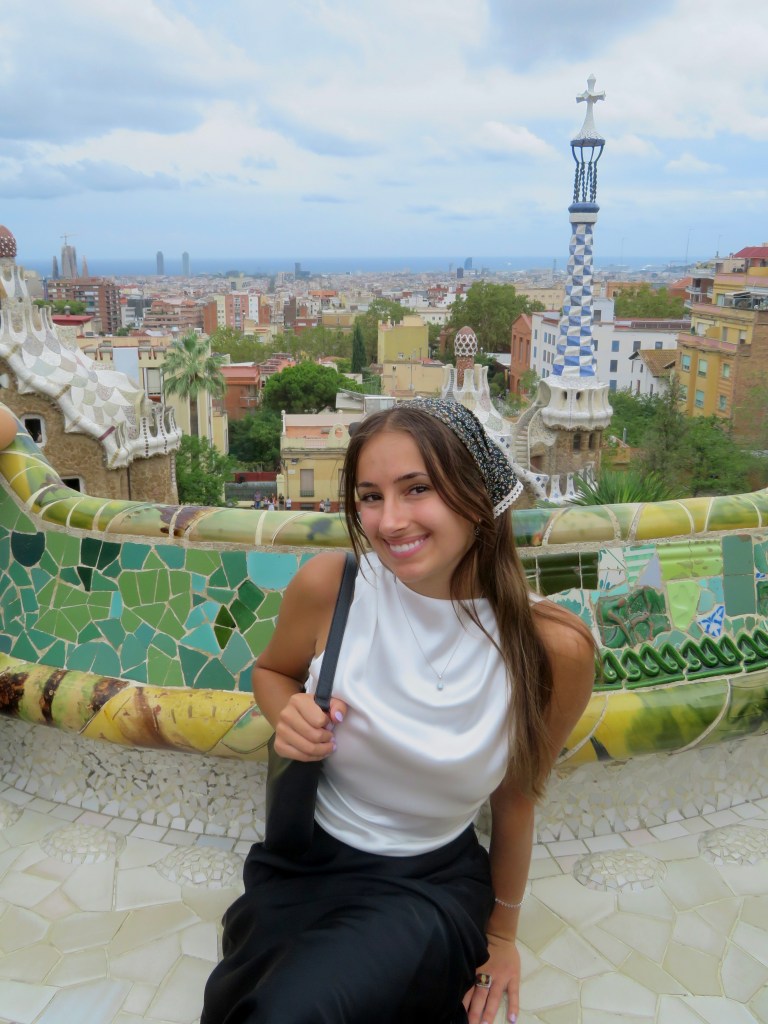
A brief list of the major tourism sights that everyone should put on their Barcelona bucket list: La Sagrada Familia, Parc Güell, Casa Batlló, Casa Milà (La Pedrera), la Boqueria, and Barcelona Cathedral. Second tier tourist attractions that were enjoyable but not my favorite: Mount Tibidabo “cathedral on the hill” and Montjuic.
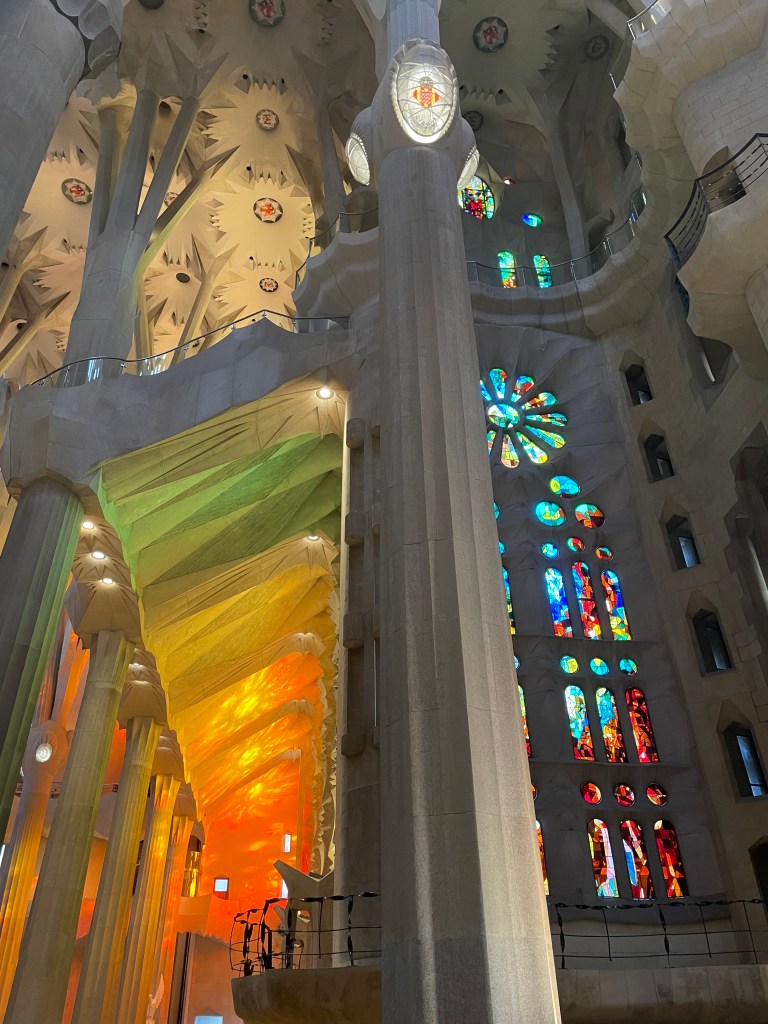

My friends and I waited to go to museums and other paid tourist attractions until our family/friends visited, so we didn’t have to repeat the activities.
Beaches
I quickly learned that Barceloneta, the main beach in Barcelona, is the worst. It’s crowded, and there’s trash floating in the water. People are constantly trying to sell you things or hit on you, and they won’t take no for an answer. The only things Barceloneta is good for are beach volleyball and running/biking the path along the waterfront.

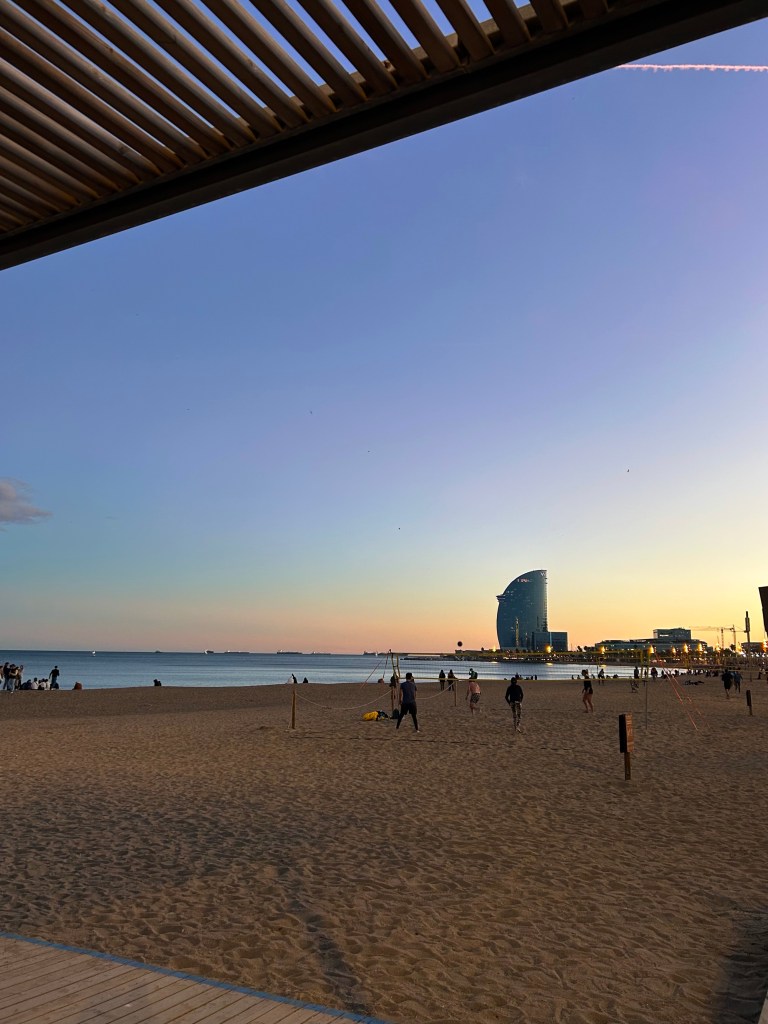
We much preferred beach days at Bogatell, though it was a slightly longer commute. Please be respectful to locals and clean up after yourself!
Football (Soccer) Games
Attending an FC Barcelona game is one of the best ways to experience the lively spirit of Catalonia. We bought 10 € “jerseys” at a tourist shop and ate hot dogs. Even if you’re not a football fan, I expect you’ll have a grand time.


There was construction at Camp Nou during my time in Barcelona, so the games I attended were held at the Olympic Stadium atop Montjuic.
Bunkers del Carmel
I’ve never actually been to Bunkers! It’s overcrowded, a nuisance to locals, and can be subject to closures. I instead found my own “local” sunset spot very similar to Bunkers.
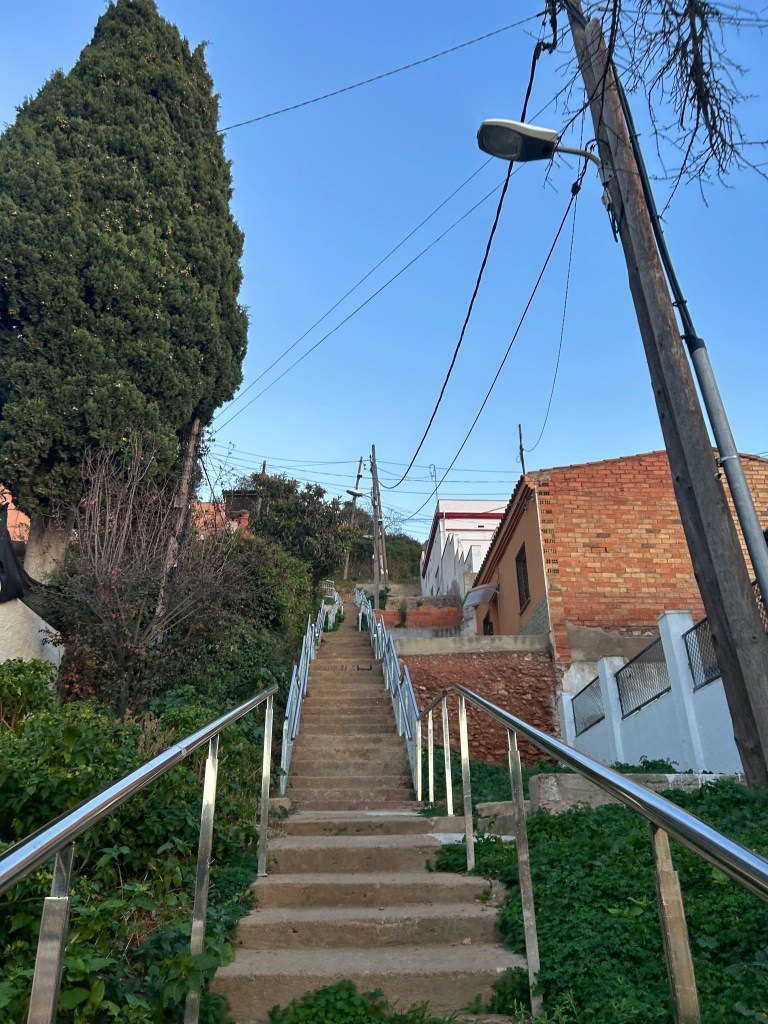

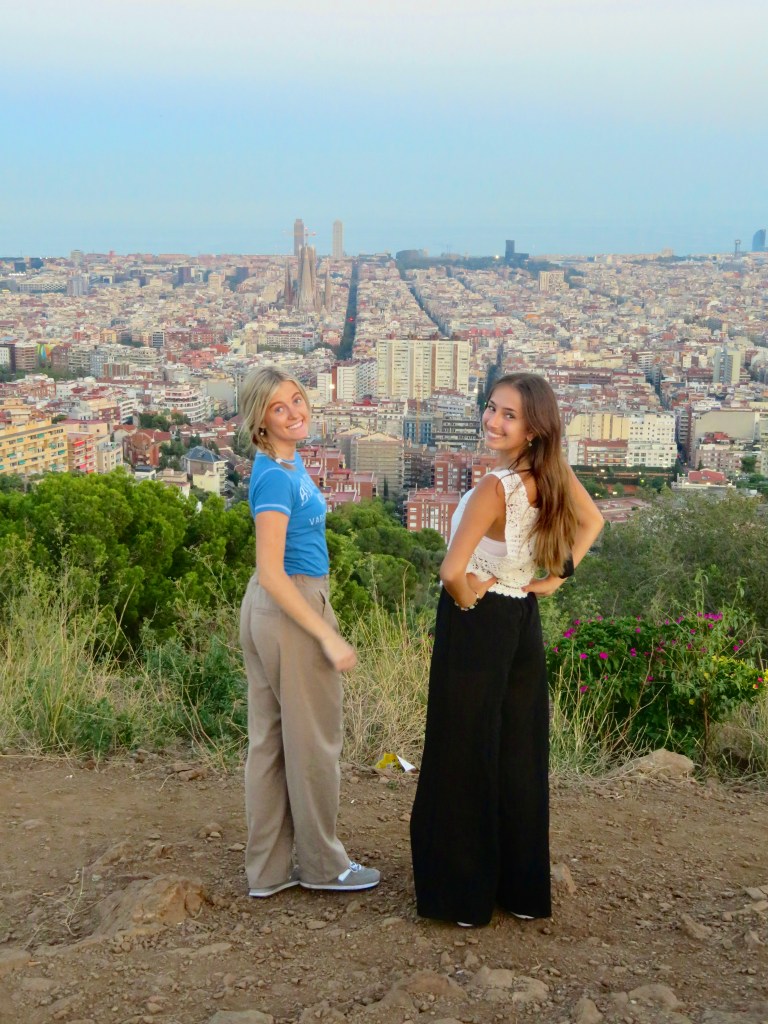
Unfortunately, I’m not going to reveal the location. I’d hate to be responsible for tourists overrunning yet another local spot. This is your sign to explore the city by foot and find your own “secret” spots during your semester abroad!
Explore the Gothic Quarter
I can get lost in the winding, beautiful streets of the Gothic Quarter for hours. There are tons of little shops selling unique souvenirs and artwork. I loved browsing for jewelry, as the cheap jewelry I bought in the Gothic Quarter never tarnished or left green marks on my skin.

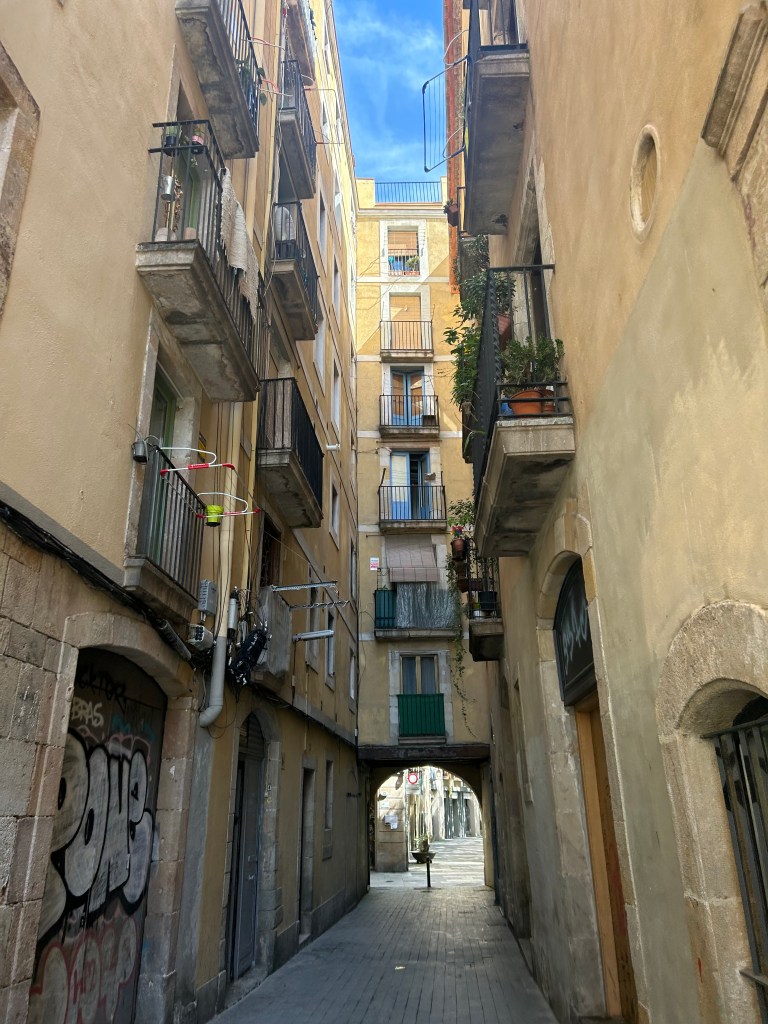
“Gothic” architecture is not exactly what it seems, and you can see Roman ruins all over the Gothic Quarter if you know what to look for. In any study abroad program, I’d highly recommend taking a class about the city and its history. It will enrich your experience in so many ways.
Nightlife
Nightlife occurs much later in Barcelona than in the U.S. Clubs open at midnight, and most people don’t show up until 2am. If you’re in Barcelona around summertime when daylight hours are long, it’s a right of passage to party at the beach clubs until sunrise. I found that the crowd at major beach clubs like Opium, Shoko, and Pacha is more late 20s and early 30s. Razzmatazz is the main club for study abroad students. We loved Razz Wednesdays and pregaming at the nearby bar L’Ovella Negra.

Take advantage of club promotors!! Follow AASHI Guest List on Instagram and DM him to get free club entry and bottle service for all your friends. They want to fill empty tables, and they’ll probably take pictures/videos of you to post on their socials. I thought AASHI was a scam and avoided it most of the semester, but I was missing out. It is real free stuff with no catch.
I remember being worried about dress codes to get into clubs, but it was never once an issue. You can wear sneakers and jeans to any major Barcelona club.
Day Trips
Although it’s temping to spend all your weekends traveling to new countries, I highly recommend taking the time to explore destinations around Barcelona! There are so many lesser-known gems just an hour or two away via public transit.
Girona and Tossa de Mar
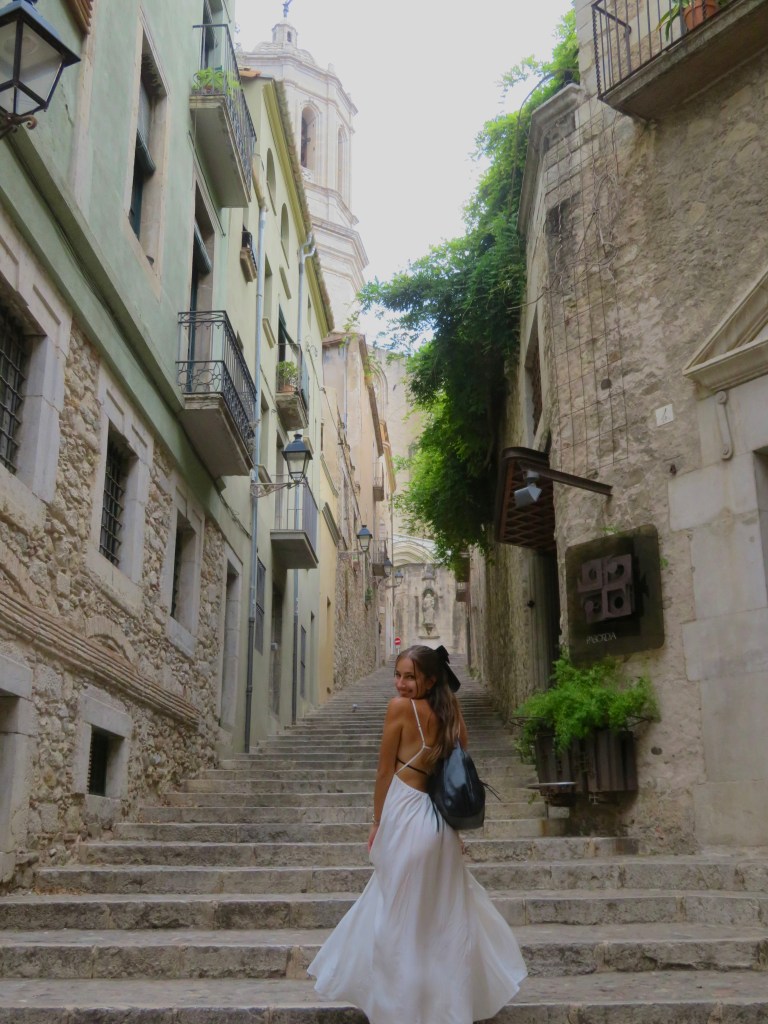

This was my favorite day trip, and I couldn’t recommend it more! In Girona, walk atop the city walls to discover beautiful parks and architecture. Visit the red bridge designed by Gustav Eiffel and the impressive Girona Cathedral. Nearby, Tossa de Mar is an idyllic Mediterranean beach town with white buildings and interesting little shops. The beach is clean with soft sand, and the fortress makes for a stunning backdrop. Be sure to explore the fortress, as the views are amazing.
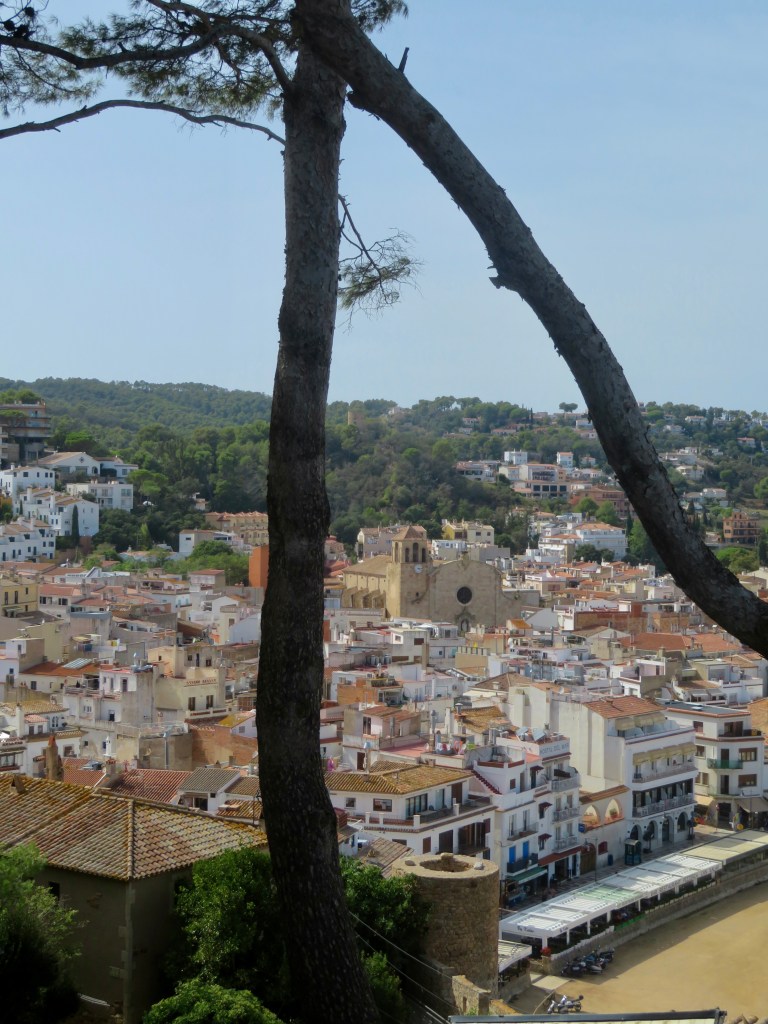
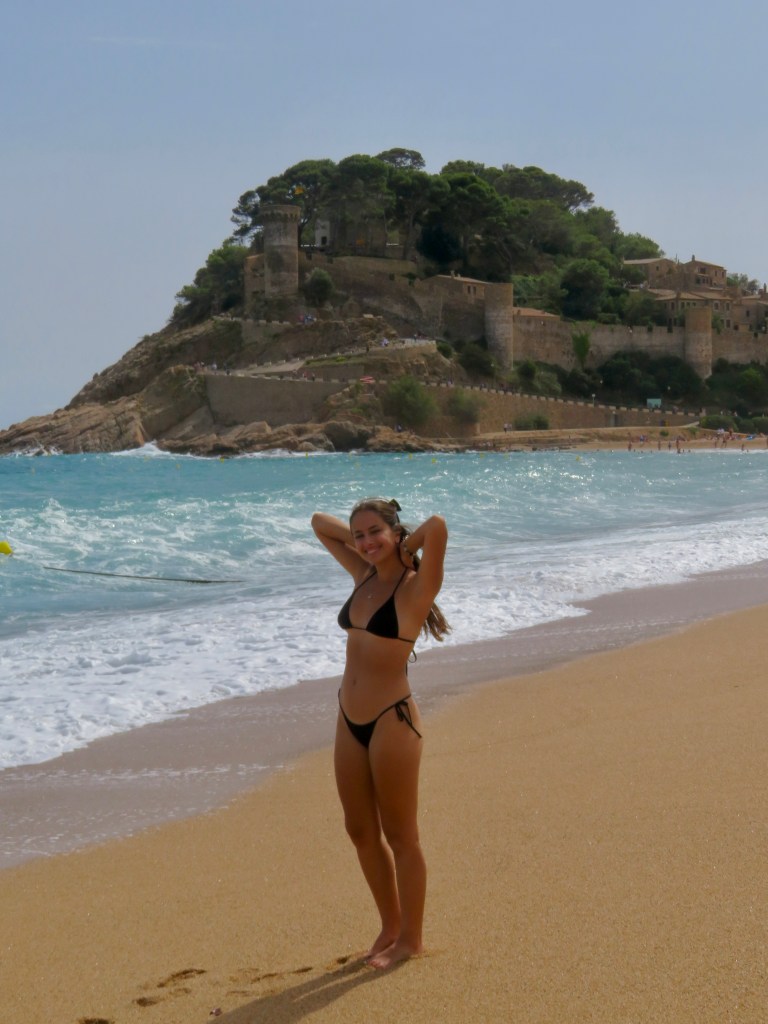
We traveled by a combination of bus and train, and we were able to spend a few hours at each destination.
Tarragona


Tarragona has its very own Roman amphitheater on the water! We went on a Sunday when many businesses were closed, but we had the perfect beach day. The train ride down the coast was smooth and had quite a few nice views.
Montserrat
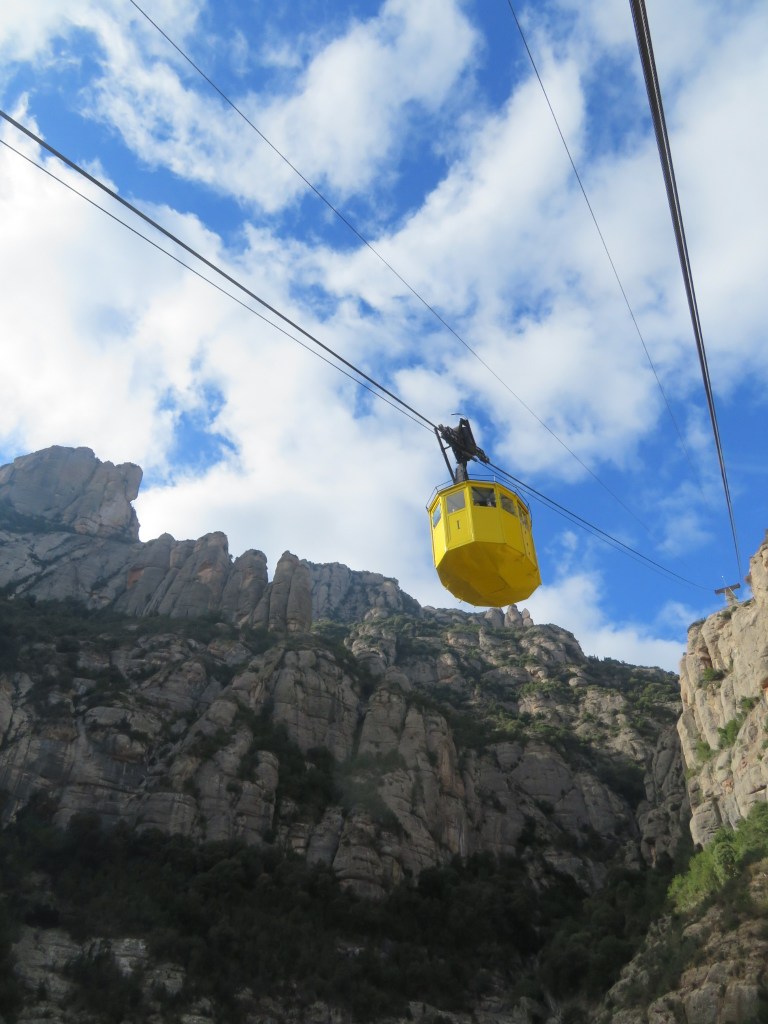

To be honest, I have been spoiled with mountains from working in Glacier National Park, so I was not overly impressed with this excursion. Many visitors really enjoy Montserrat, but it’s not one of my top recommendations. It’s around an hour by train to Montserrat; then, you take a cable car (for which the line was another hour wait) up to the monastery in the mountains. There are a few short hiking trails, a museum, a gift shop, and food (but the food was nothing to write home about). I went in November hoping to see colorful leaves, but I either timed it wrong or there aren’t many changing leaves in the area.
Weekend Trips/Exploring Europe
I plan to write more in-depth blogs about my weekend trips, so this is only a condensed guide. I partied at Oktoberfest in Munich, bummed around the beaches of Tenerife, explored the Swiss Alps, tasted port wine in Portugal’s Duoro Valley, watched the Eiffel Tower sparkle, and wandered Christmas markets in London.

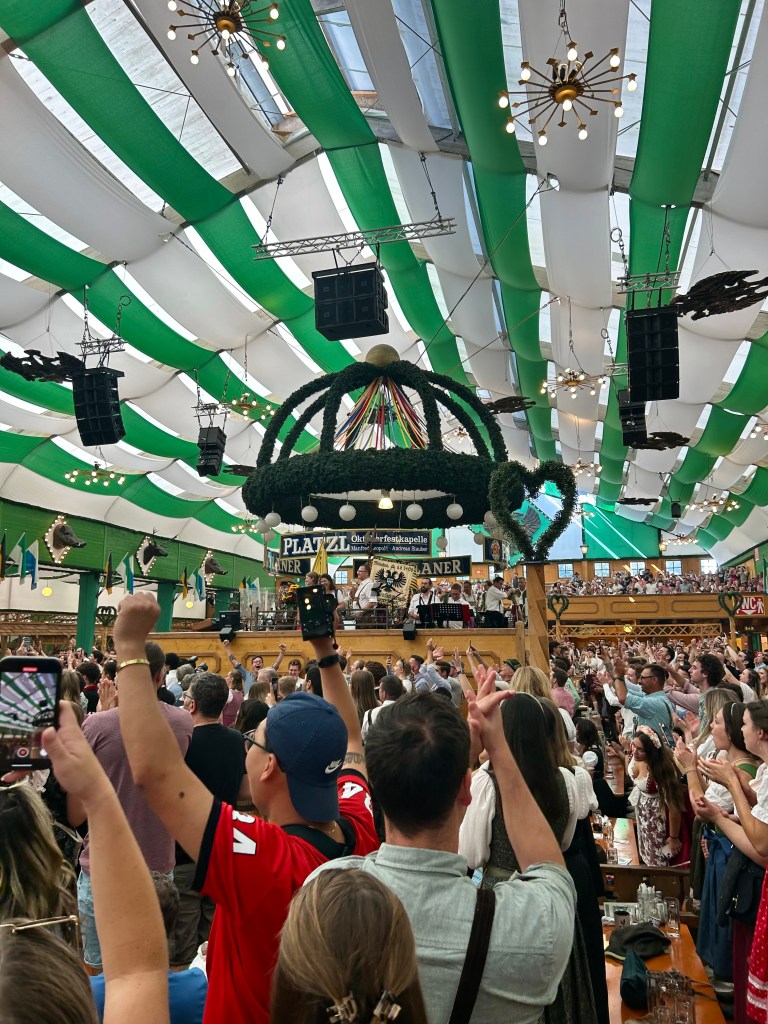
One of my priorities in planning my class schedule was having Fridays off. I could fly out as early as Thursday evening for my weekend trips. Most study abroad programs will also give students a week-long fall or spring break, but I was not so fortunate. I was able to take a longer trip at the end of my semester and visit Norway before heading home for Christmas (best trip ever). I know many students in spring programs will go backpacking into the summer.
Barcelona is a fantastic home base to explore Europe because it has its own budget airline, Vueling Airlines, which I found much preferable to RyanAir. I never traveled long distances via train, as I found it to be more expensive than flights. I only brought a backpack on my weekend trips, so I didn’t have to pay for luggage.
I highly encourage you to dedicate time to exploring your “home” city/country as well! I loved celebrating Barcelona’s holidays and exploring local spots. You have a whole lifetime to travel, but you might only live abroad once. Take advantage of the opportunity to fully immerse yourself in a foreign place.

 Latitudes with Lucy
Leave a comment