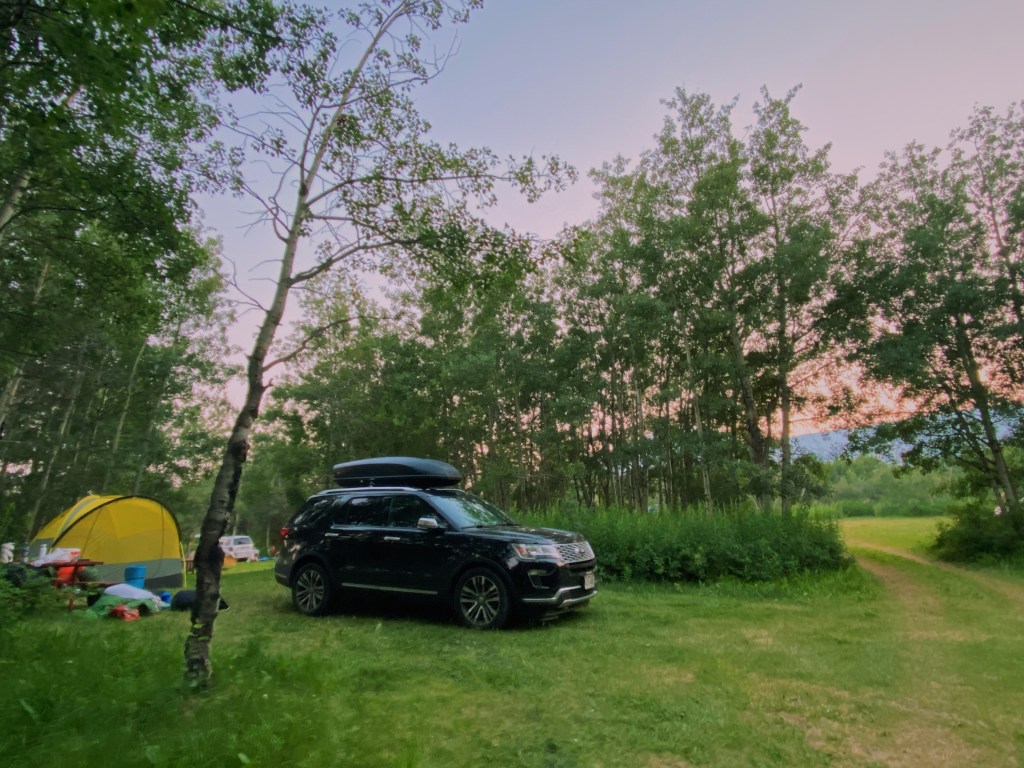
Summer 2021, I left for a three-week road trip the day after my 18th birthday. Fresh out of high school, three friends and I drove nearly 6,000 miles to visit eight national parks across the U.S. We camped nearly every night, and none of us had any prior camping experience. If we can do it, you can, too!
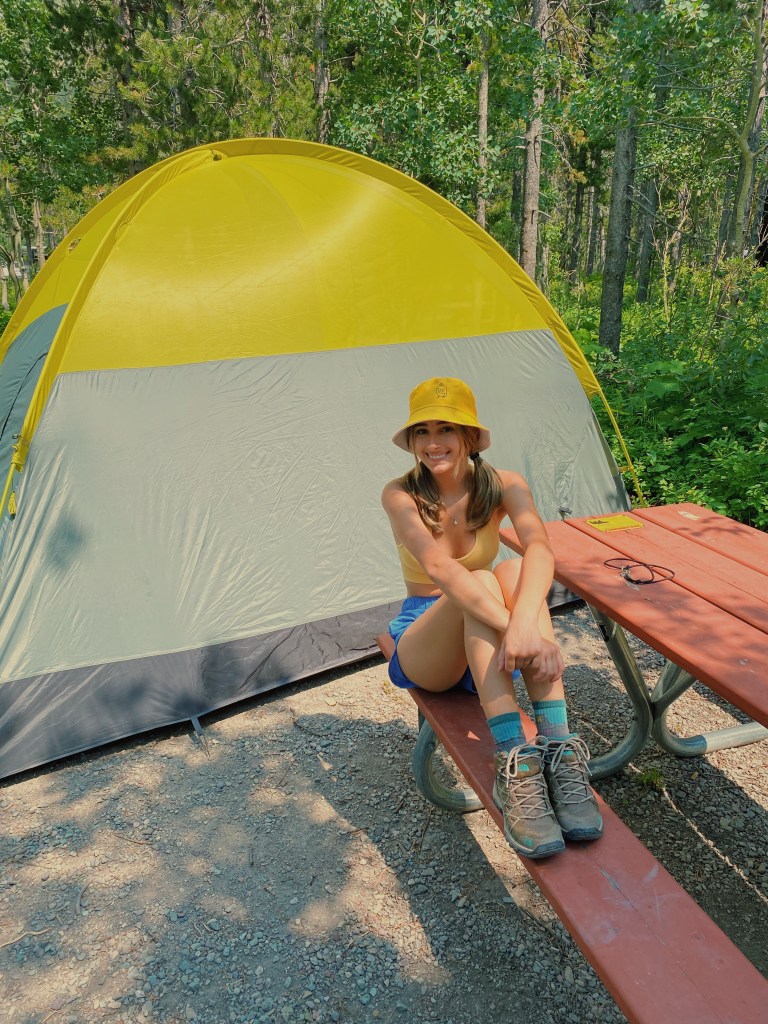
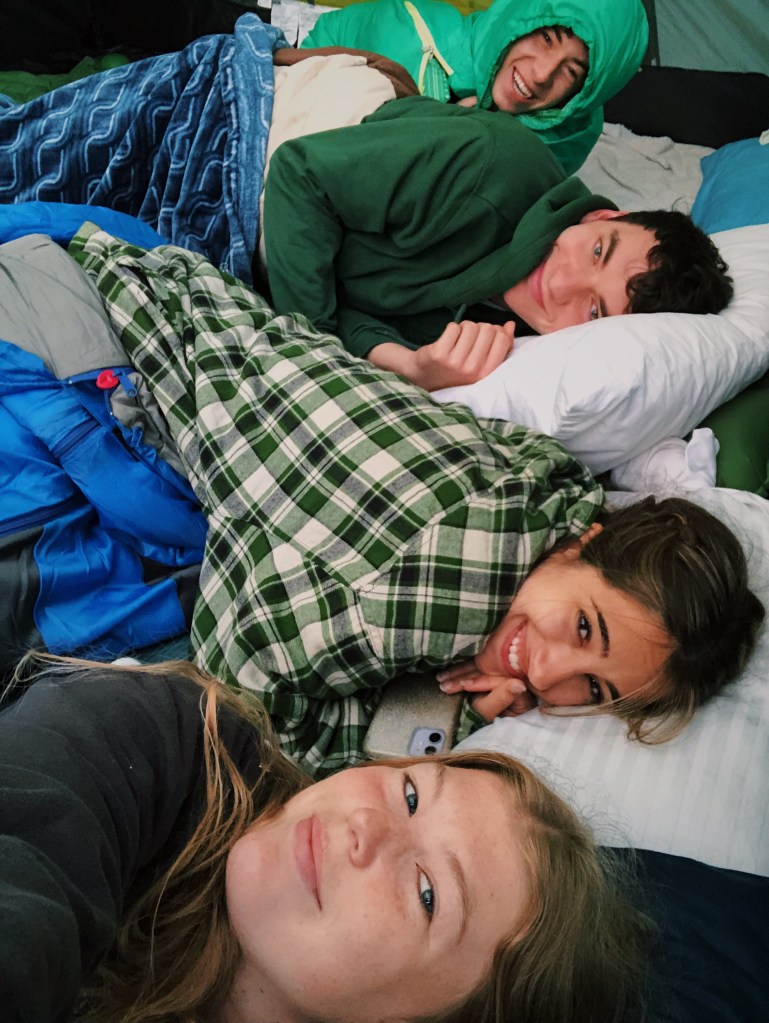
It’s true, I was once a teenager struggling on 3-mile hikes, wearing goofy bucket hats, and putting VSCO filters on photos taken by my iPhone 12 with a cracked screen. I’m being very vulnerable by sharing some of these photos on the internet.
National Parks for Dummies
There are 63 U.S. national parks, and, at only 21 years old, I’ve been to well over half of them. I grew up visiting national parks with my family, but I understand that not everyone has prior knowledge about national parks.

The first step to planning a national park road trip is familiarizing yourself with the parks. Look at a map of the parks to get an idea of what can be easily grouped into a single trip, and look at pictures and videos to judge which parks appeal the most to your interests.
The parks feature different aspects of nature and ways to experience them. A national park might be primarily accessed by water or focus on historical sights. Of course, the most popular activity in national parks is hiking, which is my focus in this guide.
Furthermore, the size of national parks varies greatly, and the amount of time recommended to spend in each changes accordingly. In my opinion, Bryce Canyon can be experienced in a day, while Glacier could keep you busy for a week.
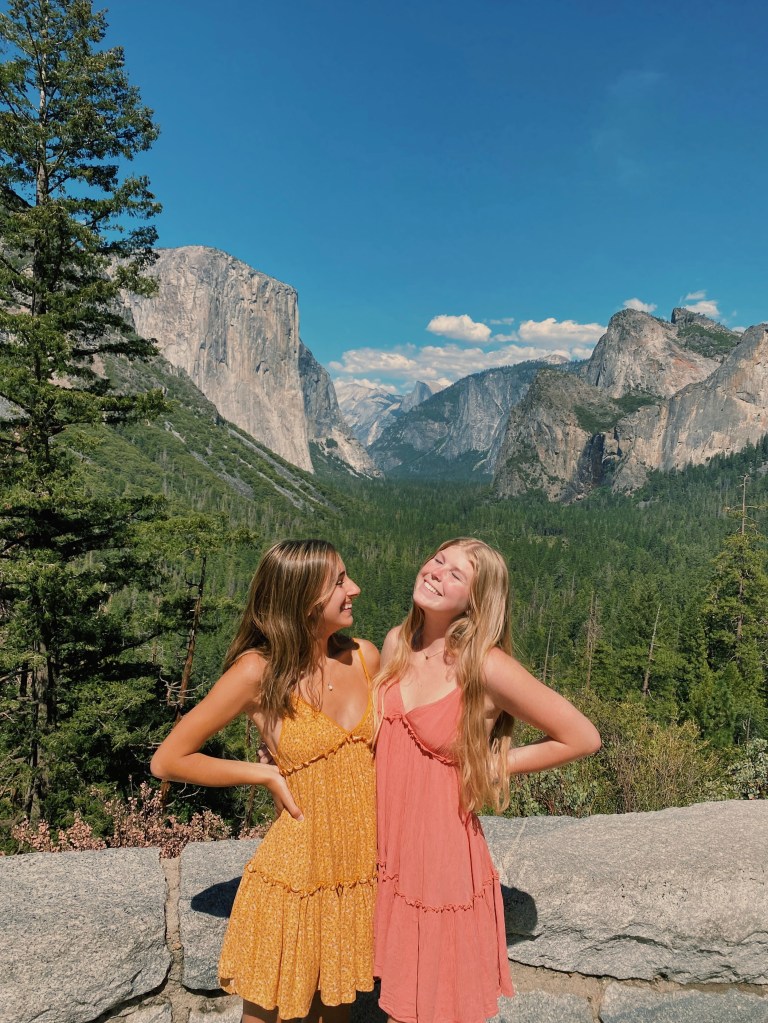
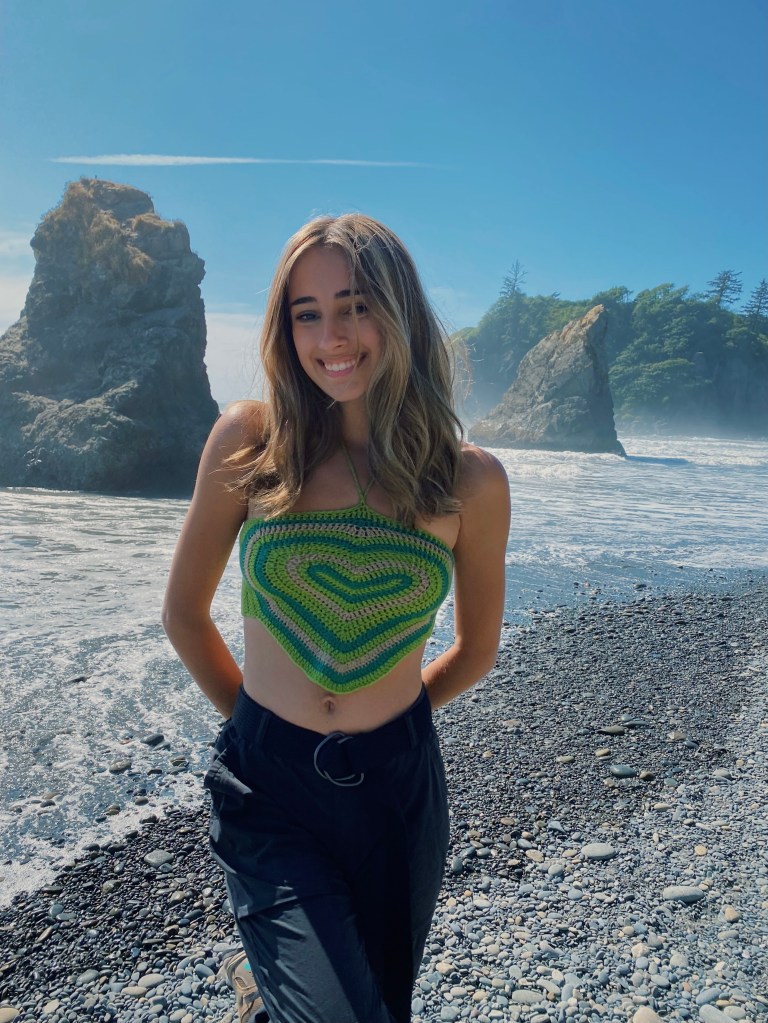
Many national parks are difficult to navigate without a car, which is why a road trip is one of the best ways to visit the parks! Many places won’t rent a car to people under the age of 25, or they’ll charge excessive daily fees, which is why my friends and I chose to drive our car all the way across the country. Plus, we’re balling on a budget, and the cheapest way to visit the parks was to borrow my mom’s Ford Explorer and sleep in a tent.

All national parks charge an entry fee, and some only allow a limited number of entry/road reservations to limit traffic. Be sure to research the regulations for each park you visit and plan at least six months in advance so you can snag the required permits. And, as always, leave no trace!
Camping in National Parks
We stayed at official NPS campgrounds in places like Yosemite Valley for only $23-$32 a night. Split between the four of us, it was a great value for sleeping in the heart of a national park, but you can always camp for free at dispersed sites or on BLM land. Campsites in national parks are released for reservation six months in advance on Recreation.gov, and you need to be on the website at the exact time they open to snag a site. All four of us would try to book simultaneously, as sometimes only one of us could grab a site before they sold out in seconds. I even looked ahead at campground maps to determine the best sites to go for. If you miss the booking window, you can try checking daily for cancellations, but that’s not a reliable method.
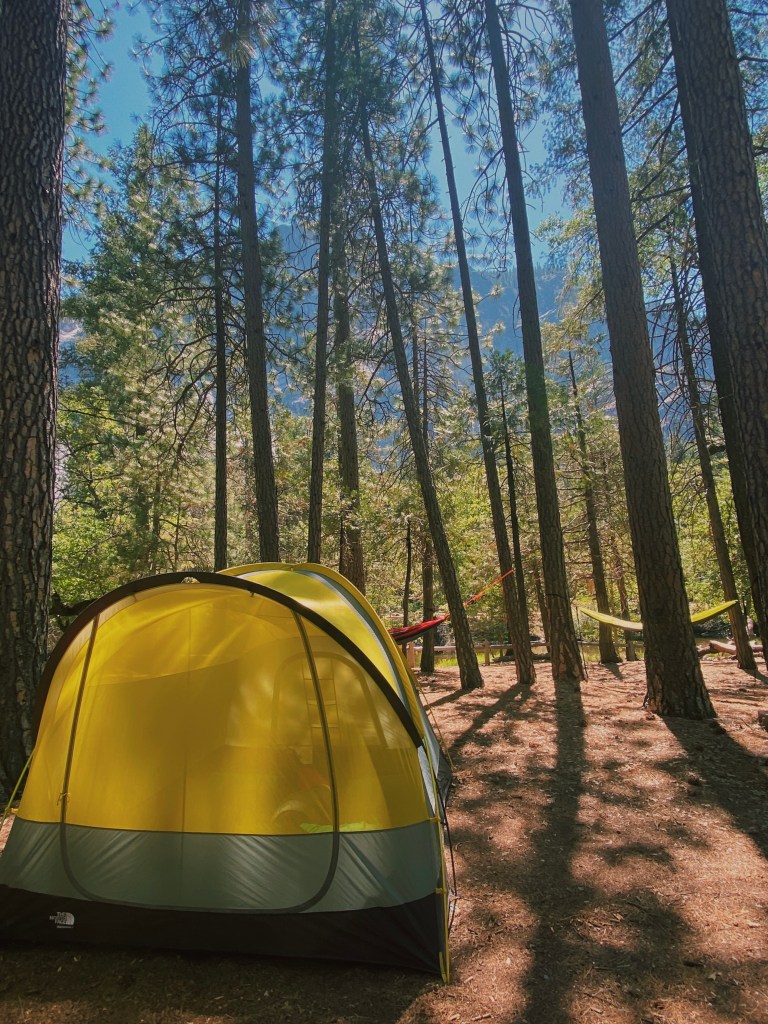
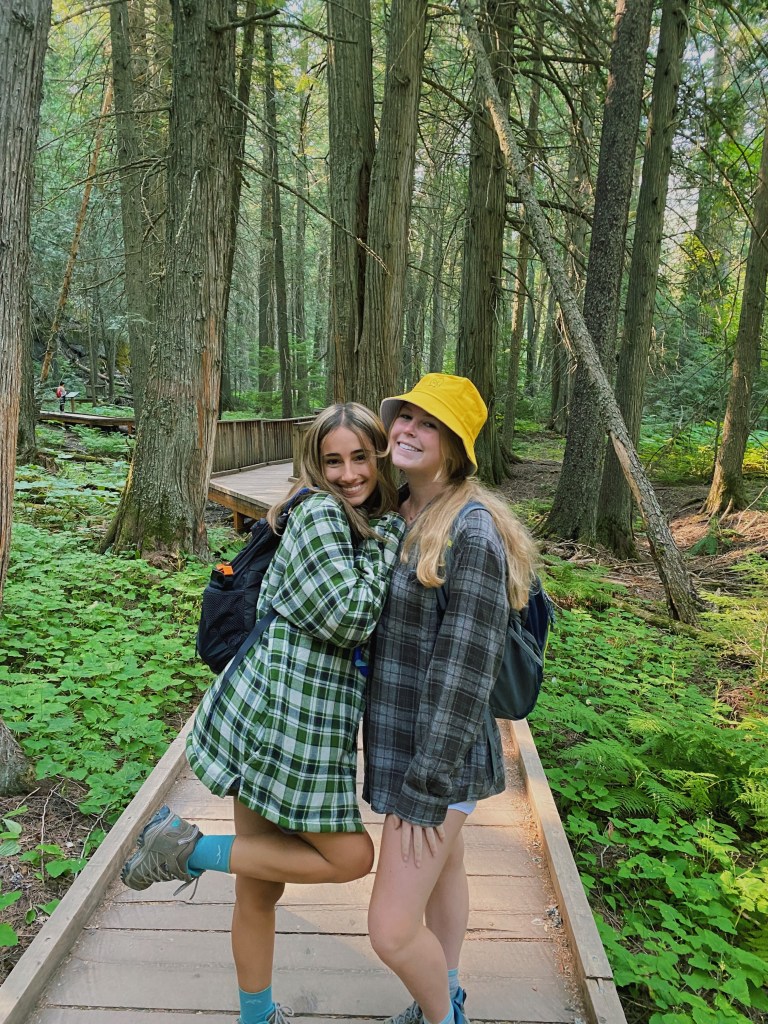
None of us had ever been camping in our lives, so we did a “practice” one-night camping trip back home in Wisconsin. It rained that night, and we discovered our tent was not waterproof. Fortunately, we were close enough to my house to go grab a tarp. I cannot emphasize enough the importance of testing out your gear, especially in rain! When I bought a new tent, I pitched it in my backyard and sprayed it with a hose.
Our camping essentials were a tent, sleeping bags, sleeping pads, and a propane camp stove. We also depended on the extra storage provided by our roof rack. I read a bunch of camping gear guides and reviews, which I recommend to you as well because I’m still no camping expert.

Camping gear is not cheap, but the investment saved us much more money than if we had stayed in hotels. I did a lot of shopping at Sierra Trading Post, my favorite budget store for everything outdoorsy. My tent was the most expensive purchase of the trip, and it was well-worth investing in. I love The North Face Wawona 6, and it still serves me well four years later. With two very tall boys on the trip, we were glad to have the extra space in a six-person tent.
I didn’t invest in a high-tech sleeping bag because we had mostly warm weather. I layered up with a hat and gloves when we camped at high elevations like Glacier and Bryce Canyon, and that worked fine. A high-quality sleeping pad was my bigger priority. One of the boys’ inflatable sleeping pads popped the first night, and he basically slept on the bare ground for three weeks.
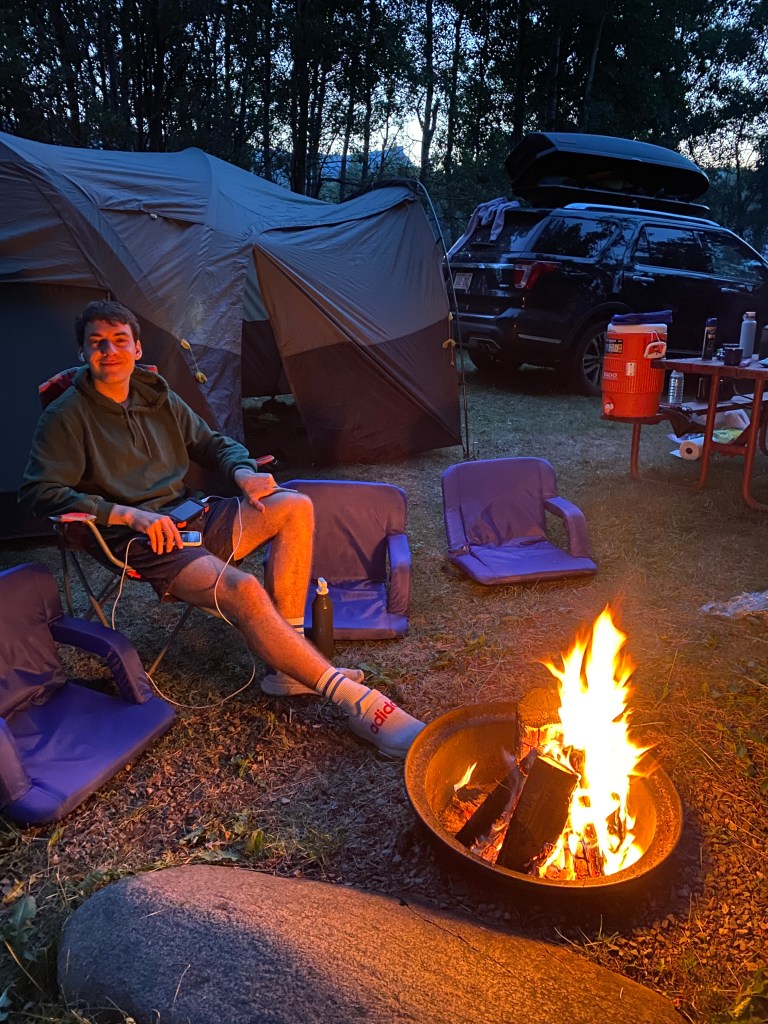

We practiced cooking with our propane stove and planned a few easy camp meal ideas. Frankly, we didn’t eat the best, as we were poor, un-picky teenagers. A box of cereal was an acceptable meal for us.
Preparing for Adversity
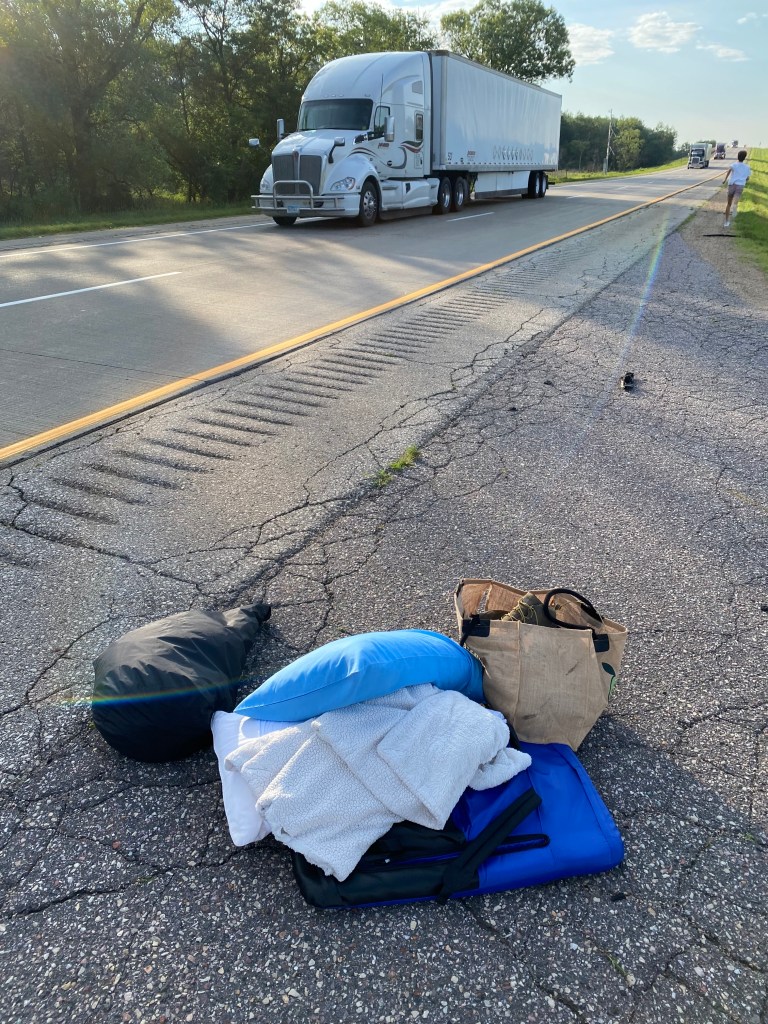
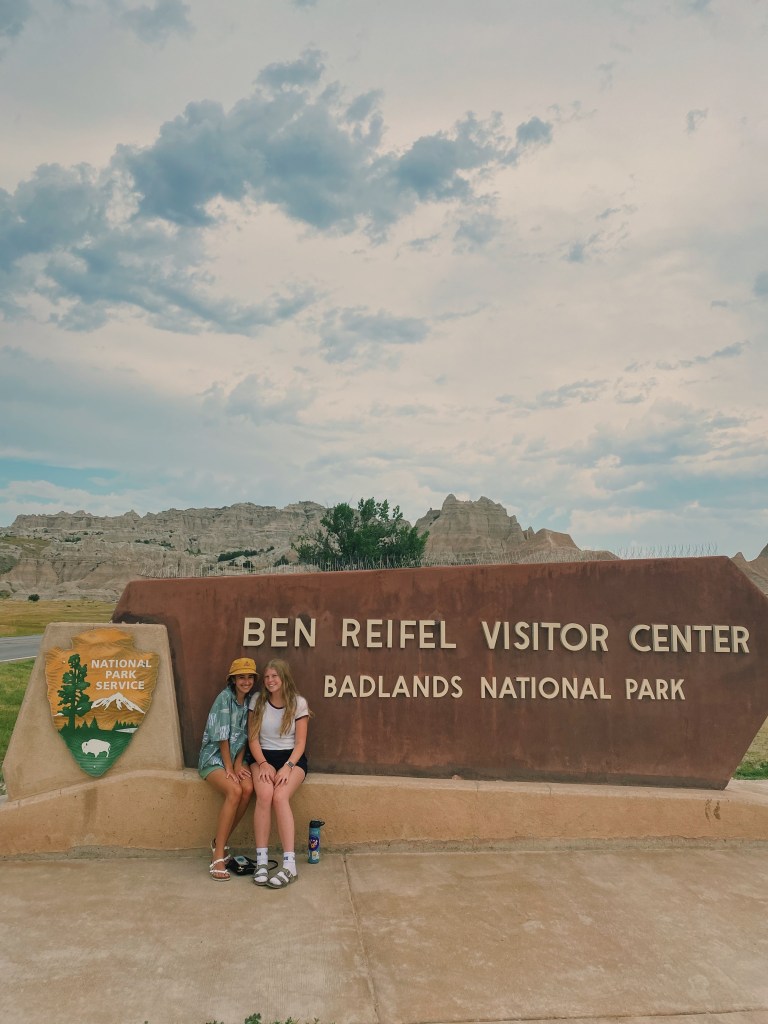
The first day of our road trip was a complete disaster. Within two hours of leaving the house, our roof rack popped open and scattered our belongings across the interstate. We pulled over and ran across the road picking up debris. A semi ran over one of our camping chairs. That night, we camped in Badlands National Park, and there was a huge thunderstorm. While we waited out the lightning in the car, our tent’s rain cover got loose and nearly blew away. We ran out in the pouring rain to wrangle the tent, and the interior got soaked. We tried sleeping in the car but ultimately decided to drive two hours to a hotel in town, arriving close to 3am.
We learned a hard lesson that first day: be prepared for challenges, and keep cash on reserve for emergency hotel stays.
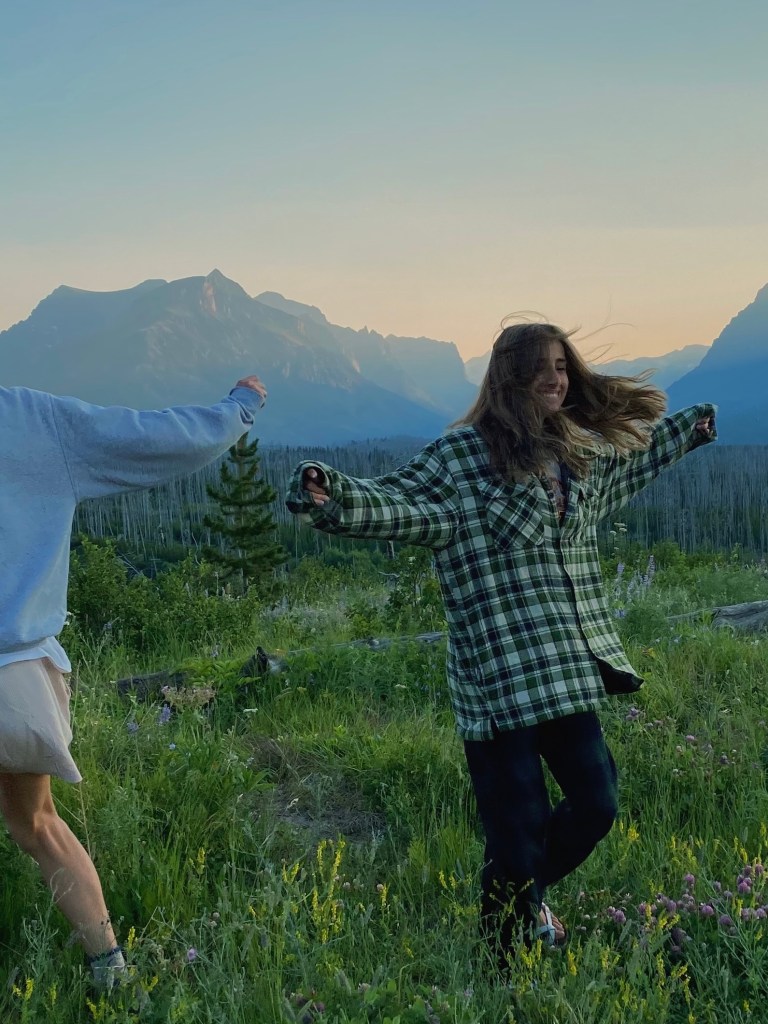
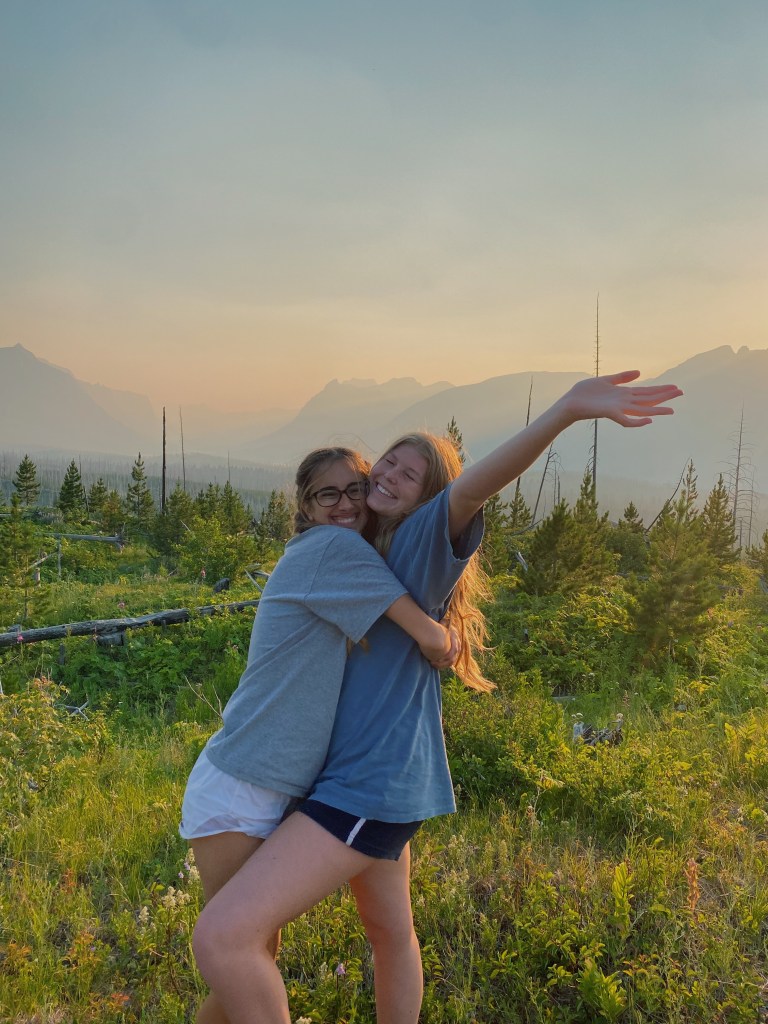
We didn’t let the rough start dampen our spirit. Our second night, after two 12-hour days of driving, we arrived to Glacier National Park as the sun was setting. It was the realization of many long months planning and dreaming about this road trip. We pulled over on the side of the road and frolicked in the most beautiful place I’ve ever seen. For this moment alone, all our efforts were worth it.


While I now travel with a more laissez-faire attitude, I planned this trip down to the nitty-gritty details. I memorized the name of every hike, and I packed specific outfits for each day. This is totally up to your personal travel style, but, as a nervous beginner, a rigid itinerary was what worked best for me. Additionally, we were operating on a very tight schedule, and I wanted to be sure we made the most of our time in each destination. In only three weeks, we visited the Badlands, Glacier, Mount Rainier, Olympic, Yosemite, Zion, Bryce Canyon, and Rocky Mountain national parks.
However, on a long trip, it’s important to have enough flexibility in your schedule to “catch up” to your itinerary if something goes awry. A landslide on highway 101 prompted a massive reroute, so we couldn’t visit Redwood National Park or San Francisco per our original plan. We needed to be flexible to make it to our campsite in Yosemite on time. We had built a few “rest days” into our itinerary to reenergize and do tasks like laundry, which were invaluable!


Hiking for Beginners
We all had minimal hiking experience, and I, for one, was unathletic and wasn’t in any sports. But as a young, healthy person, I ended up being capable of a lot. We did some pretty serious hiking on our trip, like Angel’s Landing in Zion.


I feel so fortunate to have the ability to experience Earth’s beauty through hiking, and I aim to convince any able-bodied person to start hiking! My travel mates and I bought hiking boots and backpacks, and that’s all we really needed to hit the trail!

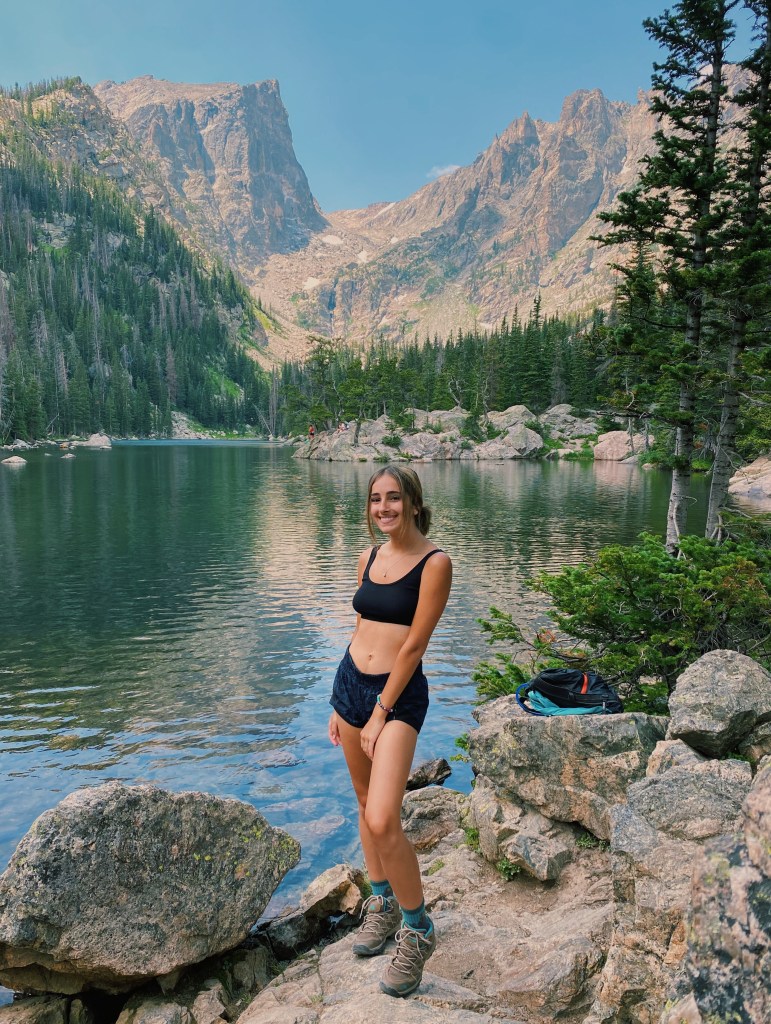
To prepare for a hiking trip, break in your new hiking boots and try running to build endurance. However, you’ll quickly learn that hiking a mile in the mountains feels very different from walking or even running a mile. The air is thinner at elevation, the ground is rocky and rutted, and the going uphill burns!


There’s so much to see in the national parks—it’s hard to decide which hikes to do. We chose a few of the most popular, short trails in each of the parks we visited. I borrowed my mom’s National Geographic book with guides to all the parks, but you can also find park information for free online (like on my blog). I must’ve read hundreds of trail reviews on AllTrails while creating our trip itinerary.
AllTrails ranks hikes easy, moderate, and hard. The difference between easy and moderate hikes was significant. Be sure to look at not only distance but also elevation. A 2-mile hike that gains 1,000 feet of elevation will be immeasurably harder than a 6-mile hike with 500 ft elevation spread throughout the length of the hike.
Be aware of the average time it takes to complete the hikes (which can be found on AllTrails). If you plan a 6-mile hike as the only activity of the day, you will likely have an entire afternoon free.
For more, read Hiking and Mountains for Beginners.
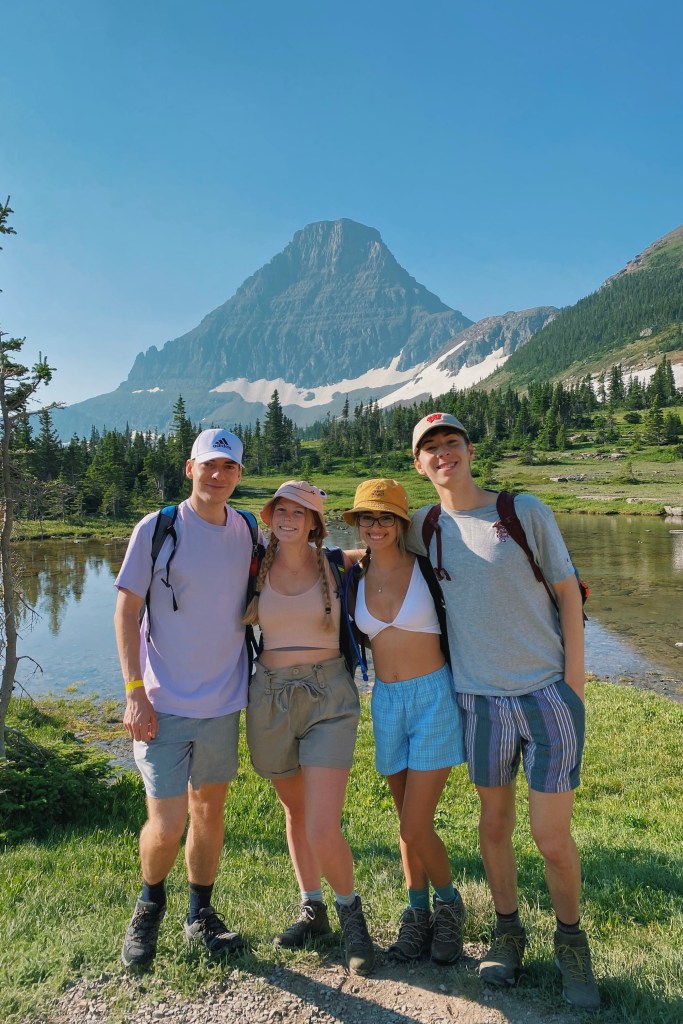
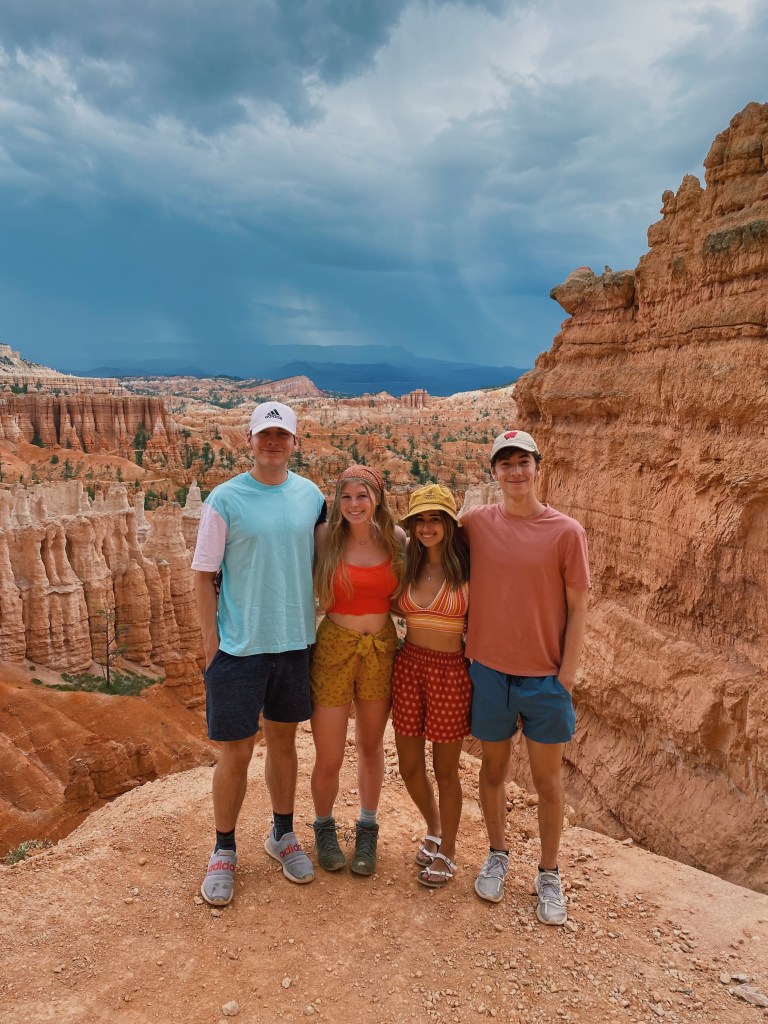
This road trip was an incredible, unforgettable three weeks that my friends and I will always look back on fondly. It prepared me for the challenges of beginning college and helped me to realize I was capable of grand adventures like working in a national park and studying abroad. And, OMG, I’m about to graduate college and I look like a baby in these pictures! If a bunch of kids can successfully road trip across the country, you can, too!


 Latitudes with Lucy
Leave a comment