
When I talk about my college travel experiences, people often tell me, “I wish I knew that was an option when I was your age!” So this is me trying to get the word out. Even if you’re a broke college student, you can travel! During college, I traveled to 20 countries and 20 national parks, and I still graduated with my bachelor’s degree in the standard four years.
Study Abroad
The most obvious option for traveling while completing college courses is study abroad. I studied abroad during both of my junior year semesters: fall in Barcelona and spring on Semester at Sea. If you’re thinking it’s too expensive, or you’re in a major that doesn’t allow study abroad, keep reading!

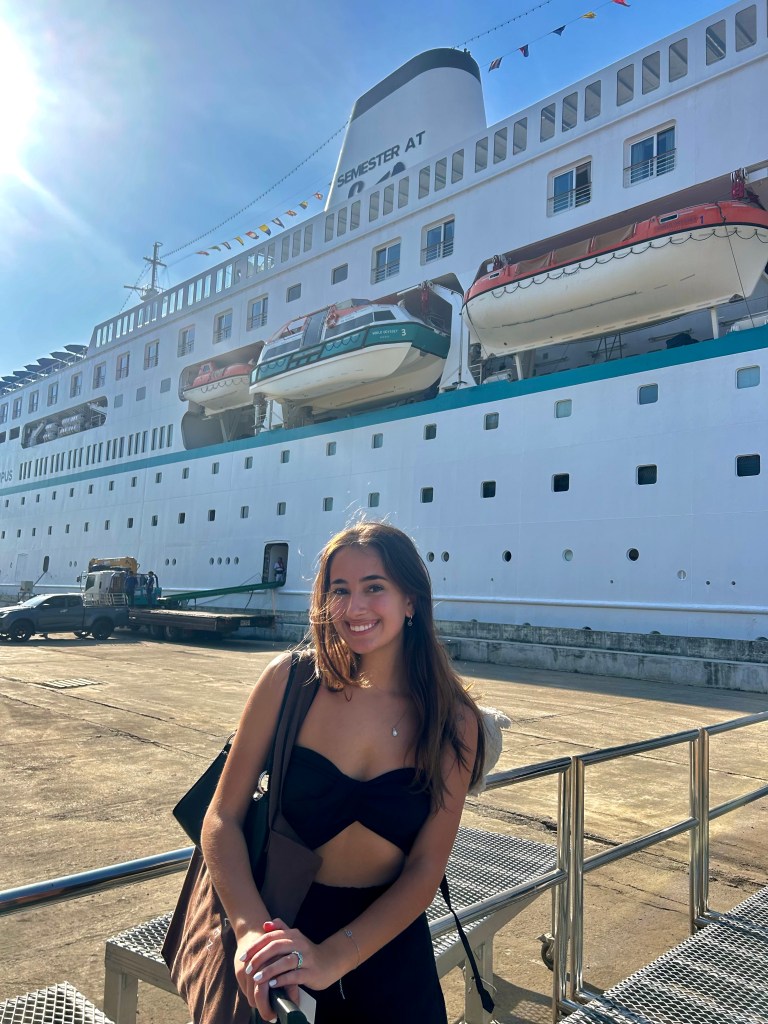
Study abroad is often expensive, but it doesn’t always have to be. With a good scholarship package, some students travel for less than the ticket price (or even for free!). My study abroad advisor told me that the odds of receiving a scholarship are much higher during fall semester than spring. My Barcelona program had 200+ people enroll in spring, but only 8 of us in the fall. Similarly, it should be much easier to find someone to sublease your apartment in the fall. This can, of course, differ by program and university, so be sure to explore the options offered by your home university.
Scholarships aside, an affordable option I have seen for study abroad is National Student Exchange (NSE), in which you and another student trade places and pay each other’s tuition. If you’re a student at an American university, you will likely pay less for a semester abroad with NSE than your usual tuition. Not all schools are enrolled with NSE, so you’ll have to check on their website for eligibility.


If your degree plan does not allow study abroad, you should consider a summer program! There are study abroad programs that offer internships, shadowing in a hospital, or even law firm immersion. Summer study abroad is also a more affordable option, as there are short-term programs.
If you don’t like the study abroad programs offered by your home university, you might be able to do an unaffiliated program. To go on Semester at Sea, I took a “leave of absence” from my home university, the University of Minnesota Twin Cities. I didn’t pay tuition at the U of M that semester, and I was able to transfer class credits from Semester at Sea to my transcript at the U of M. I worked at the Office of Admissions at my university, so I was fortunate to have the knowledge and resources to navigate the process. Every university has different policies, so you’ll have to get in contact with your advisor to find out your options.
Semester at Sea is a one-of-a-kind program that enables students to visit multiple countries while taking college classes. Students live on a ship with professors from Colorado State University and sail to approximately ten countries across multiple continents in a single semester.
Read more about The Reality of Semester at Sea.
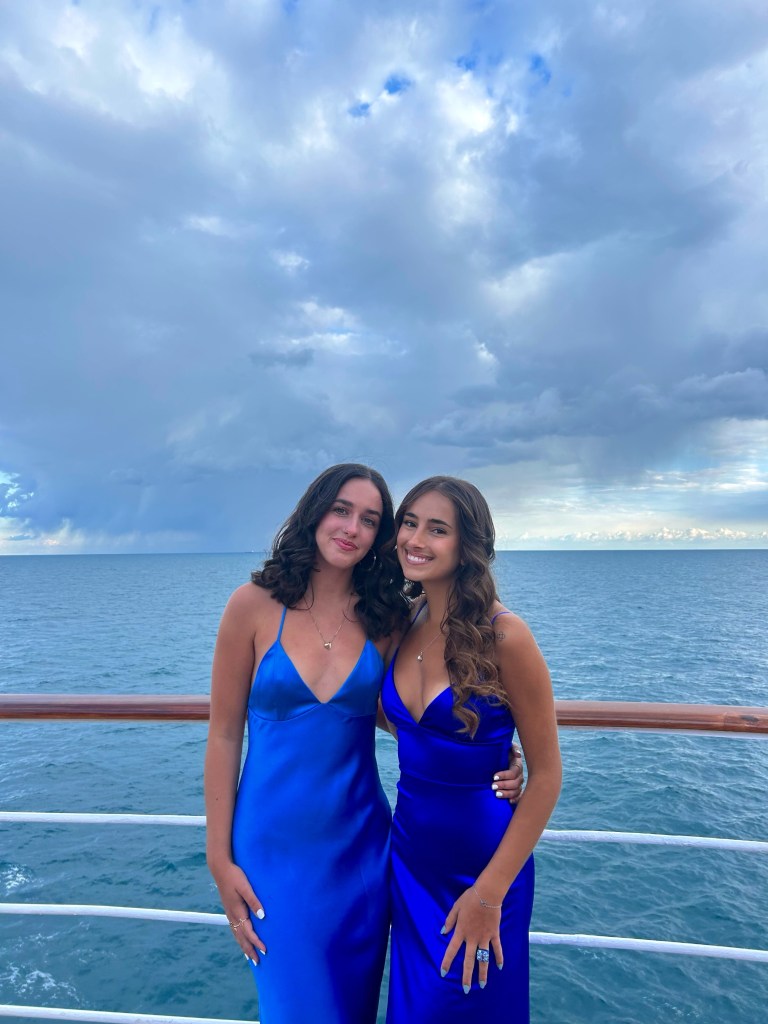
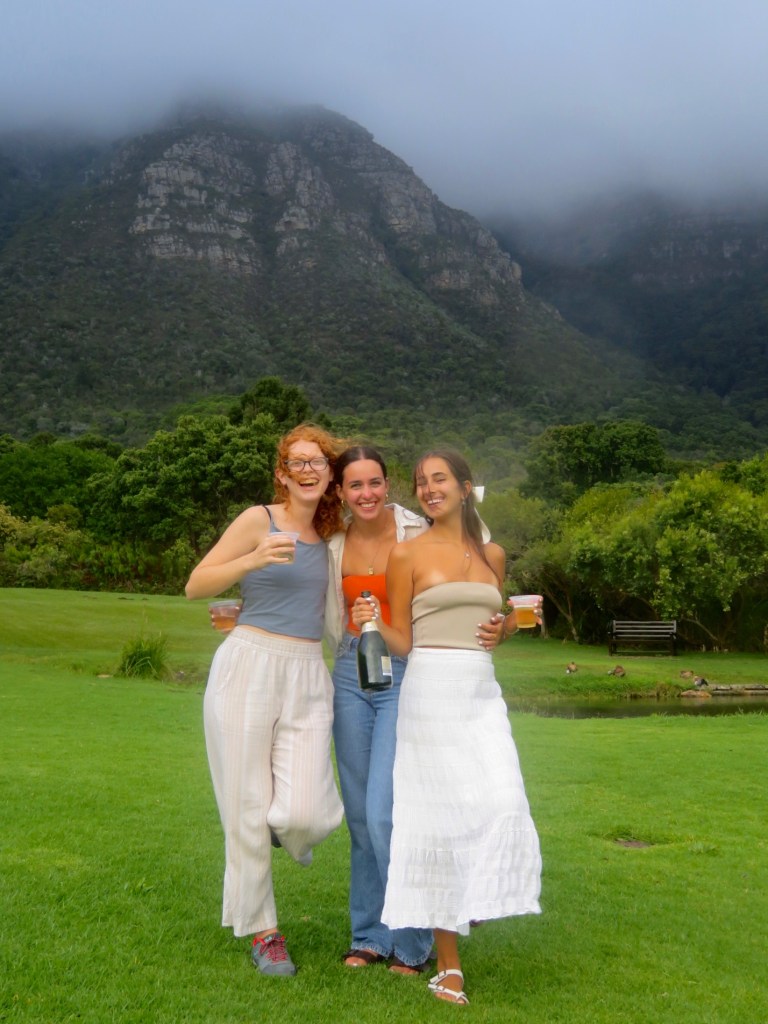
To learn more about both of my experiences abroad, read Semester at Sea vs. a “Traditional” Study Abroad Experience.
Seasonal Work
You can actually get paid to travel by doing seasonal work! I spent two summers in college working at hotels in Glacier National Park, and they were the best summers of my life. I met some of my favorite people working in Glacier, and we spent our days off exploring the most beautiful place in the world. At any seasonal job, expect to work hard and play hard.

I worked for the company Xanterra, an official national park concessioner with properties inside national parks like Glacier, Yellowstone, and the Grand Canyon. Xanterra offers seasonal employment at hotels, restaurants, and gift shops that require minimal previous experience. At my location, housing and cafeteria-style meals were provided for approximately $400 a month deducted from our paychecks.
Read more about my experience Working in Glacier National Park with Xanterra.

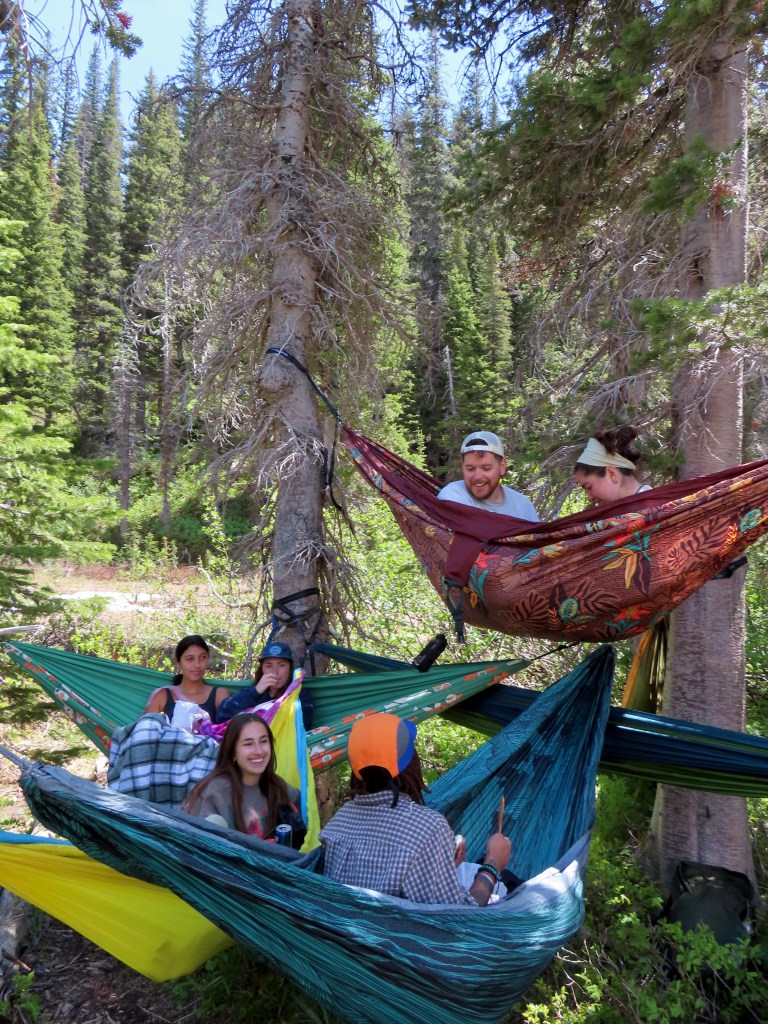
Aramark and Pursuit are similar companies to Xanterra with locations in/near national parks. You can also check out Coolworks.com for miscellaneous seasonal jobs (including non-national park locations).
Road Trips
The summer after my high school graduation, I took a 3-week road trip with my friends when we were only 18. None of us had any camping experience, but we tented our way across the country because it was all we could afford.
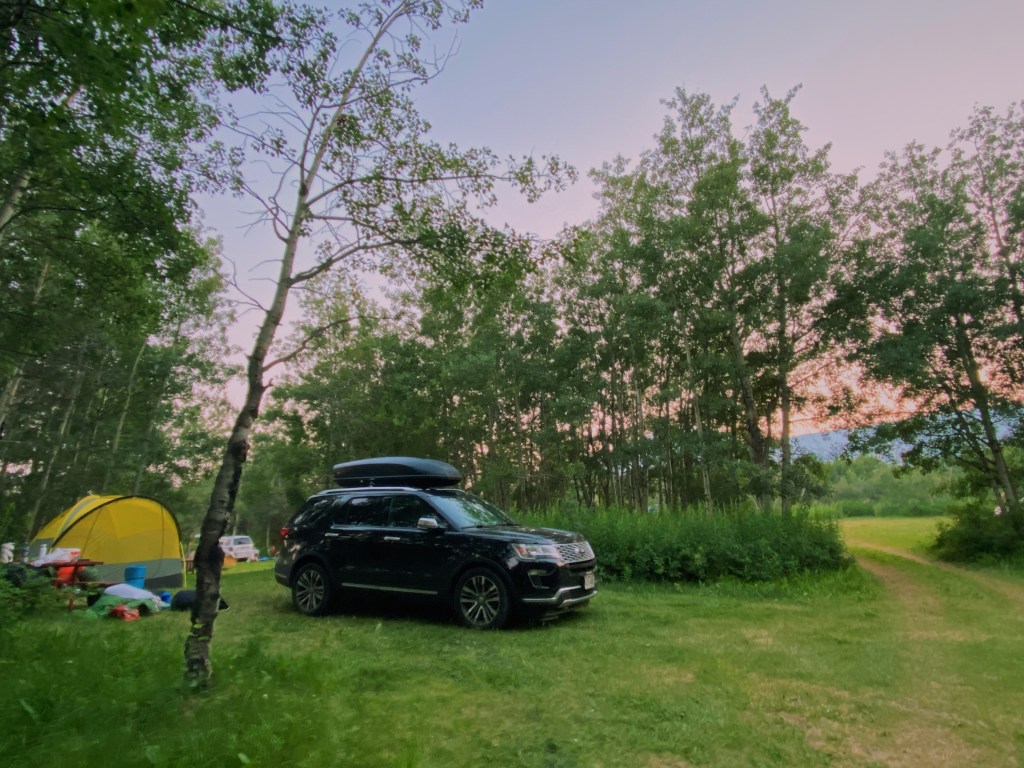
We drove nearly 6,000 miles to visit eight national parks with savings from our minimum wage jobs.
You can find free dispersed campsites across the country, and campsites in national parks are only $23-$32 a night. If you split the cost with a few friends, you can stay in a national park for dirt cheap!
If you want to take a trip like this one, read all about it on Planning a National Park Road Trip for Beginners on a Budget.
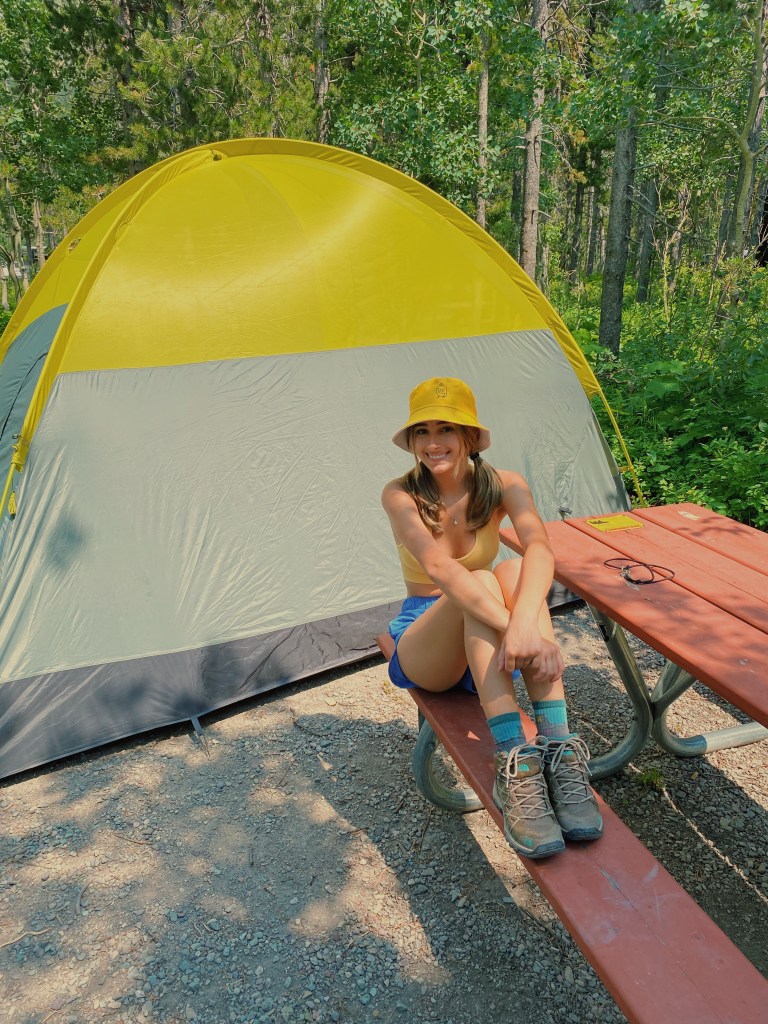
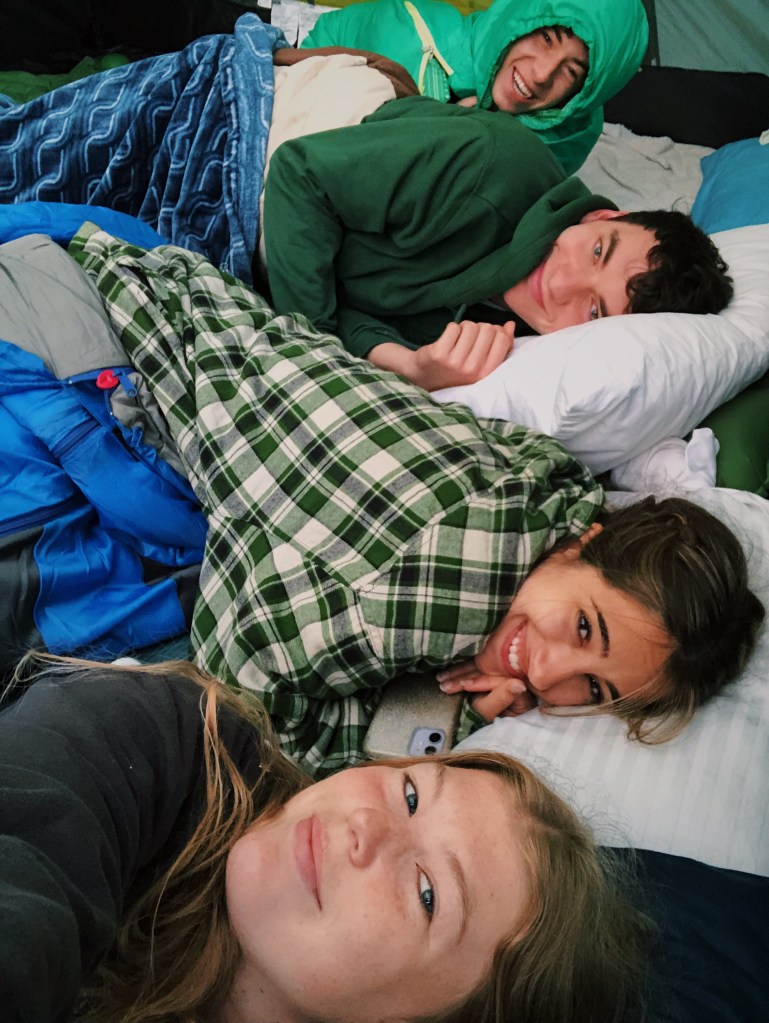
If you take my advice about seasonal work, turn your drive out into a national park road trip! Badlands National Park lies directly on my drive to Glacier, and I’ve made detours to visit additional parks like Yellowstone and the Tetons.
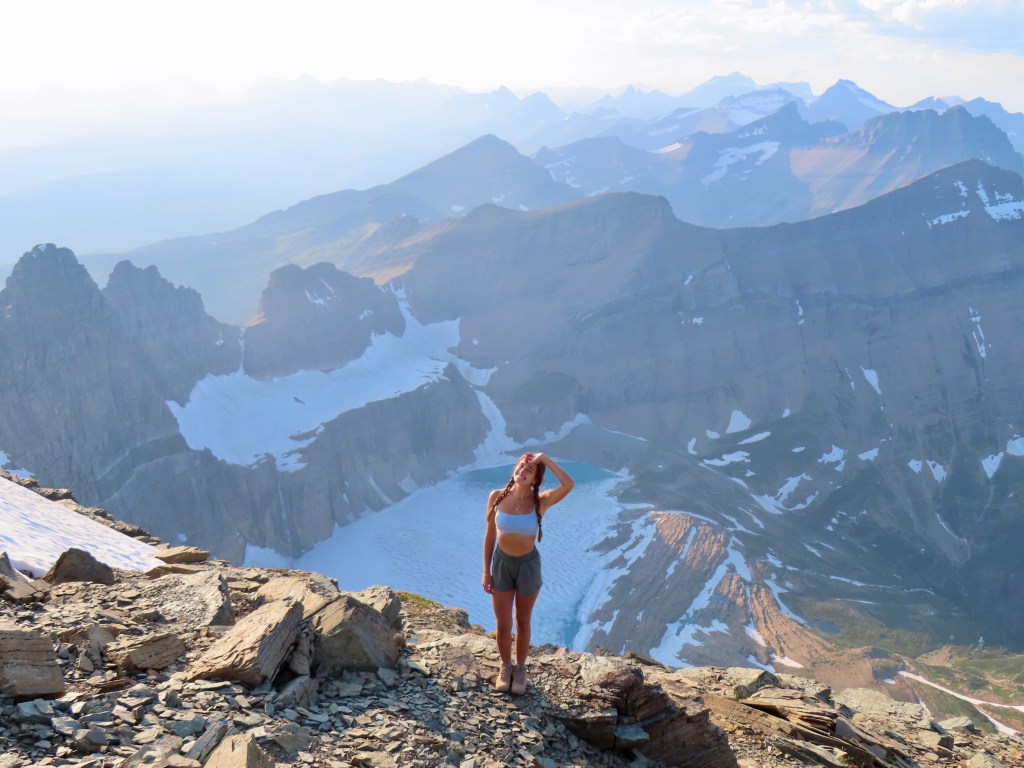
I put a lot of research, preparation, and sheer determination into making these experiences happen, and I am so fortunate for the support I received on my journey. Everyone deserves the opportunity to see the world, and I hope my story encourages your next adventure.

 Latitudes with Lucy
Leave a comment