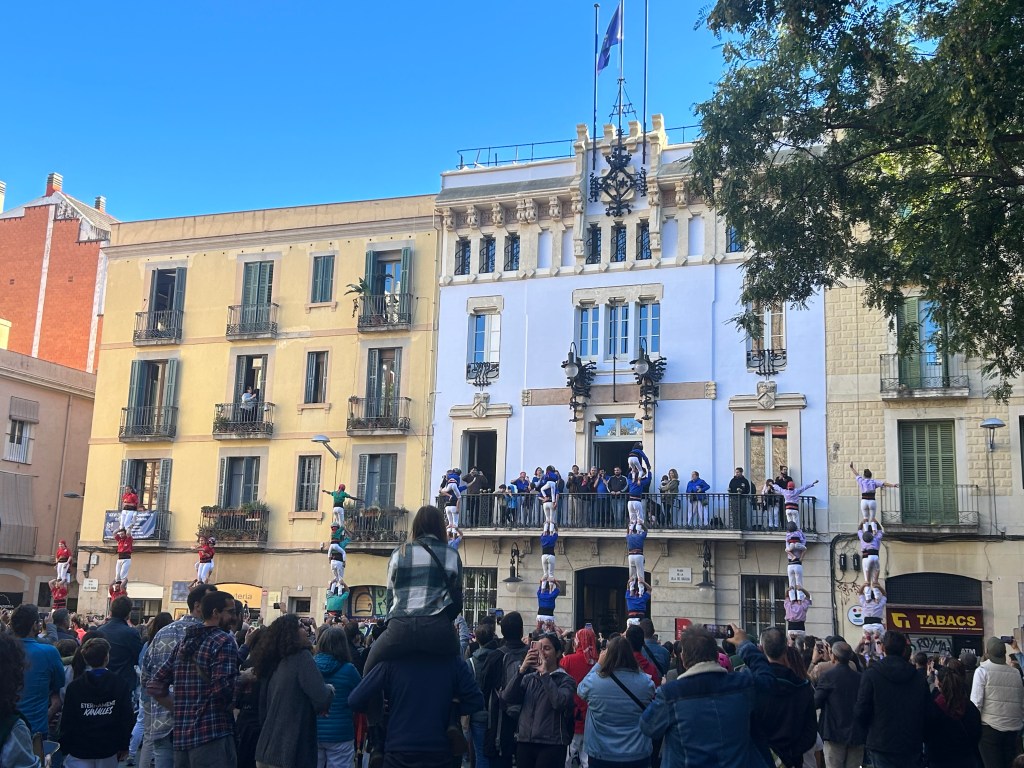
“Tourists Go Home” was spray painted on the building across from my apartment in Barcelona. I would quickly learn that this wasn’t an isolated incident—that phrase is all over the city. Before arriving to study abroad in Barcelona, I had never heard of locals’ contempt for tourists, nor how the overtourism crisis would color my own experience abroad.


Before I left for Barcelona, I made a list of places to visit around the city. I read that the most popular sunset spot, Bunkers del Carmel, had just instated a rule that people would be kicked out before sunset. I had seen posts online of this beautiful sunset overlooking the city, and I was disappointed to find out I wouldn’t get to experience it.
When one of my classmates brought up the new rule, our teacher explained the reality of what was happening at Bunkers del Carmel. The park is in a local neighborhood far from the city center, and every evening tourists were packing into the metro before sunset. It was so crowded that there was no space for locals trying to get home from work. The city’s infrastructure was not built to accommodate the explosion of tourism, and the locals suffer because of it.
I never went to Bunkers del Carmel. I instead found another spot with a view that I thought looked just as good (and I will never post its name online).


My apartment was in a local neighborhood tucked away from the tourists, and I took classes at a study center near major tourist attractions in the city center. I quickly learned how much better local life was in my neighborhood than in the city center. In tourist hot spots, local businesses are replaced by kitschy, overpriced shops, making it nearly impossible to find a good spot to grab lunch between classes. Locals are continuously pushed farther out of the city center by rising housing prices and lack of infrastructure to accommodate their needs.

I went abroad to broaden my cultural horizons, but I was struggling to escape the study abroad bubble. Because I am not fluent in local languages, my classes were with other study abroad students. When I would go out to the clubs, it seemed like everyone I met was an American abroad. Razzmatazz was taken over by my classmates every Wednesday. On a weekend, the crowd might include Americans visiting from study abroad programs based in Madrid, Florence, or London.
My professors were locals. When they explained how tourists were ruining their city, they made it sound like we were an exception because we were students, but I knew that wasn’t entirely truthful.
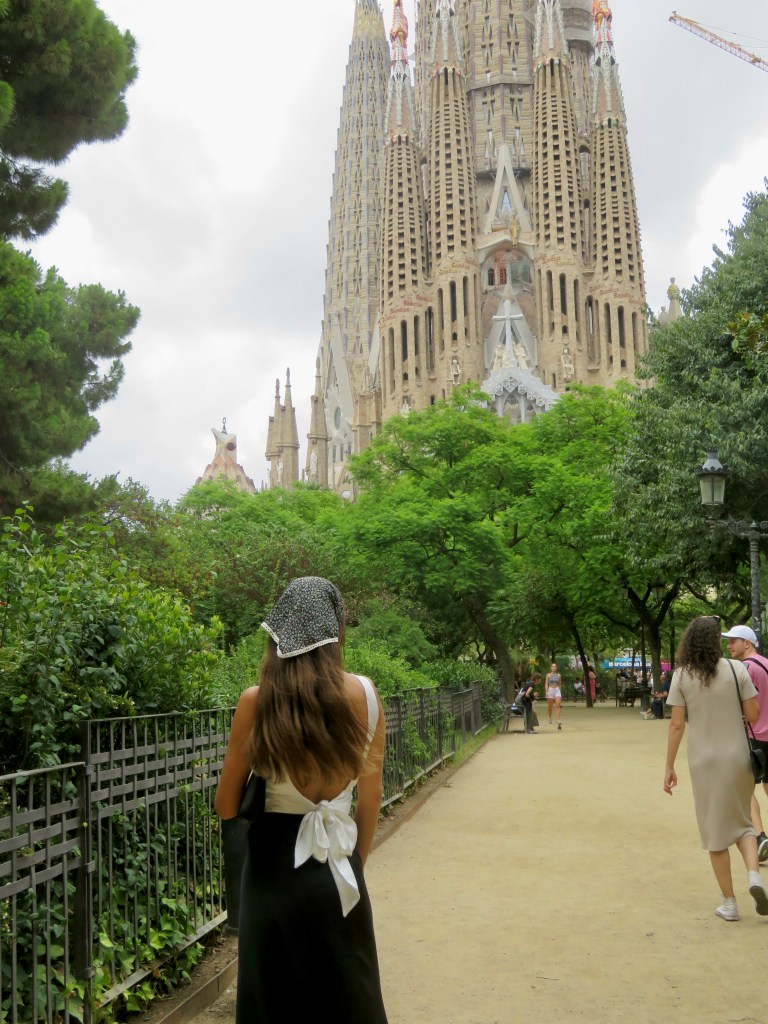
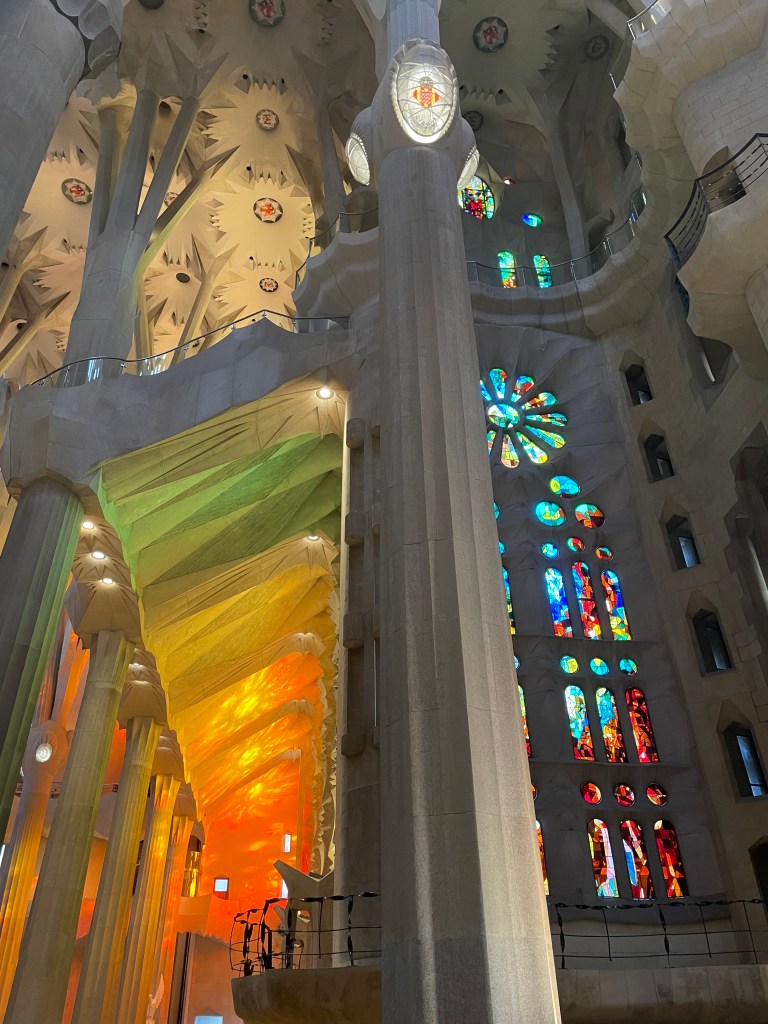
I’m not going to outright tell you not to study abroad in Barcelona, but I do encourage students to branch out to less popular destinations. The locals will receive you with more enthusiasm, and you will have better opportunities for authentic experiences.
Wherever you are a visitor, I challenge you to interact with your host destination in a way that facilitates genuine human connection, expands your cultural competency, and minimizes environmental impact: consider a homestay instead of an apartment, take a class about your destination, and wander off the main avenues.
I took “The History and Culture of Catalonia” and gained a richer appreciation for Barcelona and its people. When my parents visited halfway through the semester, I took them on a walking tour of the Gothic Quarter and pointed out Roman artifacts like a legit tour guide. Plenty of my peers had no idea that the iconic gothic architecture of the Barcelona Cathedral is a facade, literally.


These small choices transformed my semester. Instead of chasing the same Instagram spots as everyone else, I found my own Barcelona.
On my last night in Barcelona, I had dinner at my favorite hole-in-the-wall restaurant in my neighborhood. When the waiter said, “See you next time!” I almost cried, and not because I was going to miss their papadum and chutney trio. It was the realization that I had become a ‘regular’ in a place that was once foreign to me.


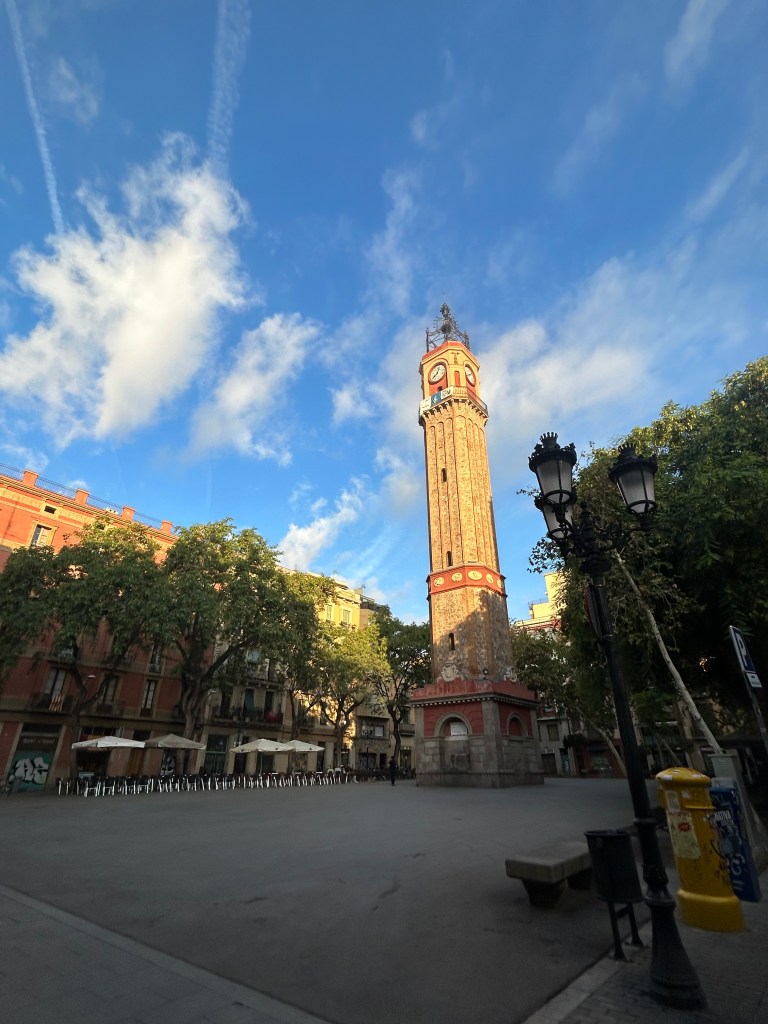
The best study abroad experiences aren’t found at the most Instagrammed viewpoints. They’re built slowly, in the margins—in conversations with locals, quiet evenings in your neighborhood plaça, and all the little moments that turn a foreign place into your home. Barcelona taught me that being a thoughtful traveler isn’t just about reducing your negative impact. It’s about creating the space for genuine connection to happen.
So wherever you choose to go abroad, arrive with curiosity, not just a checklist. The “Tourists Go Home” graffiti might seem harsh, but it’s a reminder: we’re guests, not just consumers. And the best guests? They leave their hosts a little richer for having known them—and come home transformed by people, not just places.
 Latitudes with Lucy
Leave a comment