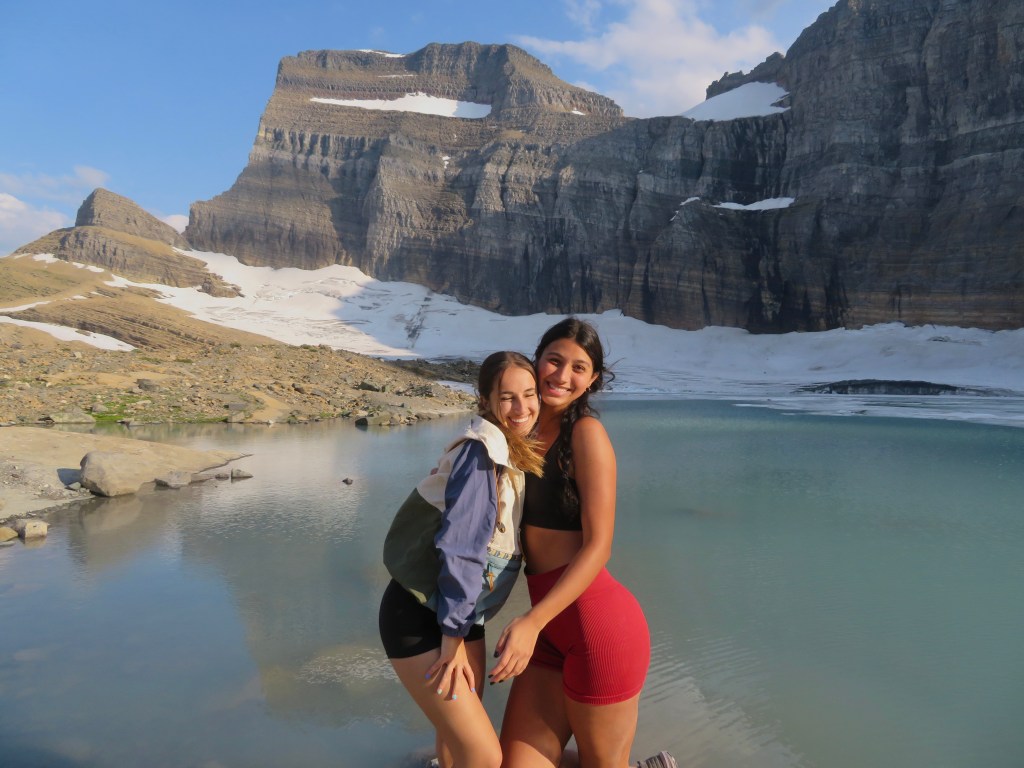
After visiting Sedona last weekend and waiting in a line of ~100 people to take a photo on Devil’s Bridge, I can understand why people gatekeep their hikes. Some places, particularly in nature, really are “ruined” by Instagram. Even if every hiker packs out their trash, that level of traffic just isn’t sustainable.
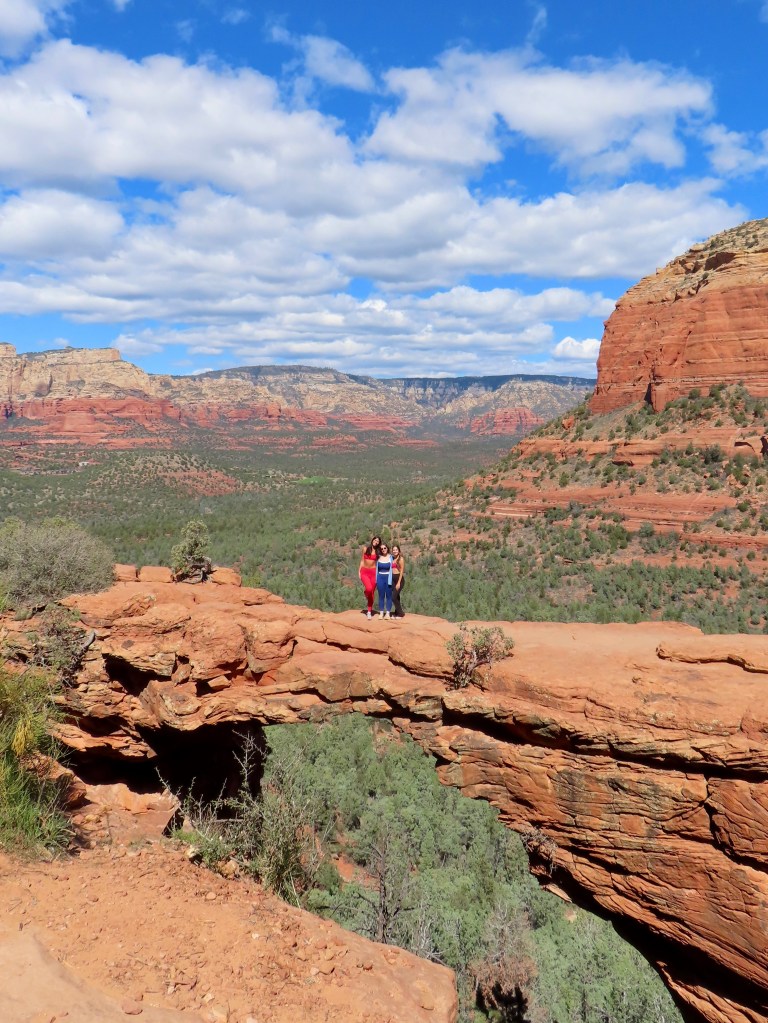
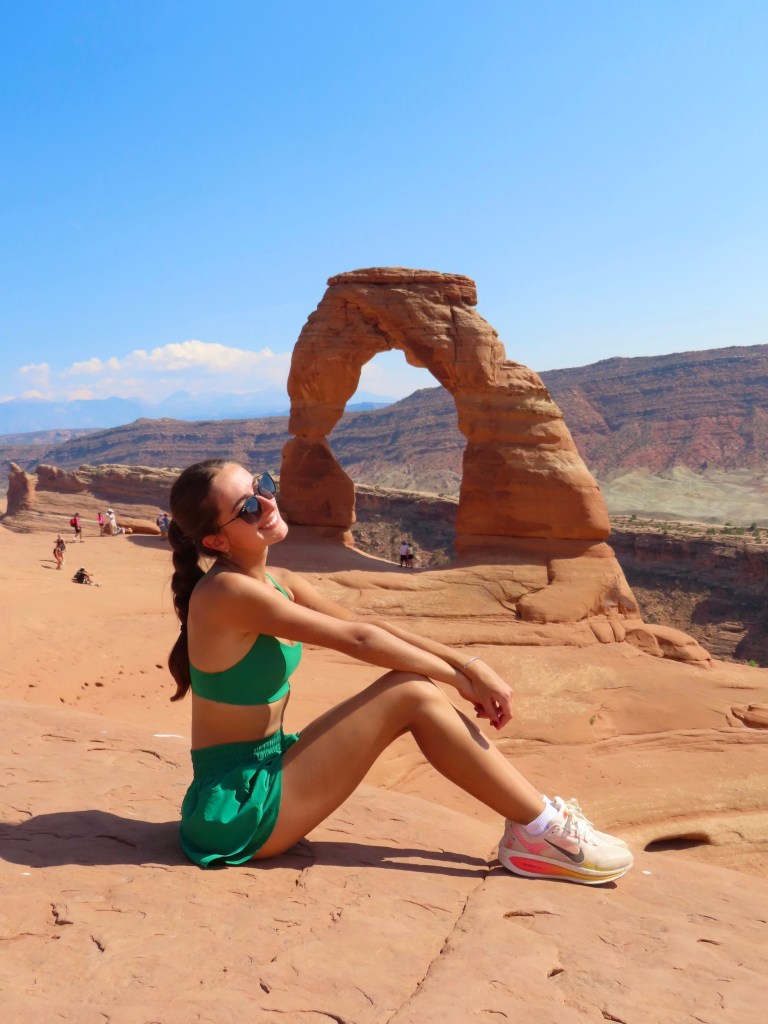
In theory, there’s nothing wrong with sharing a hike at a designated recreation site—that’s literally their purpose. Sedona is a part of Coconino National Forest, and the National Forest Service should have the resources to properly manage tourism. It’s unfair to blame the flaws in our tourism management systems on the tourists, including the ones who post about it, provided they’re following the rules (hike on designated trails, leave no trace, etc.).
At the same time, I think it’s fair to hold influencers accountable for their content. There’s a certain amount of responsibility that comes with having a platform, even if your following is relatively small like mine, because sometimes the algorithm blows up a random post. If someone chooses to specialize in outdoors/hiking content, they should seek education on sustainable practices. These are some guidelines I keep in mind when choosing which hikes to share:
- Don’t Promote Hikes as “Instagrammable” Spots
- Don’t Geotag Unestablished or Unmaintained Trails
- Don’t Promote Places Suffering from Overtourism
- Share Sustainable Tourism Guidance or Resources
Don’t Promote Hikes as “Instagrammable” Spots
When promoting a hike, try to attract hikers who show up prepared and respectful of the trail. There’s nothing wrong with going somewhere with the intention of taking a photo for Instagram (I have been guilty of this myself), but it’s dangerous to tell 10,000 people on the internet that a 5-mile hike in the remote desert is a cute photo op. We should encourage visitors to interact meaningfully with nature.
Don’t Geotag Unestablished or Unmaintained Trails
Don’t geotag places that are not established recreation sites. They don’t have the infrastructure to support high levels of tourism, putting both the visitor and destination at risk.
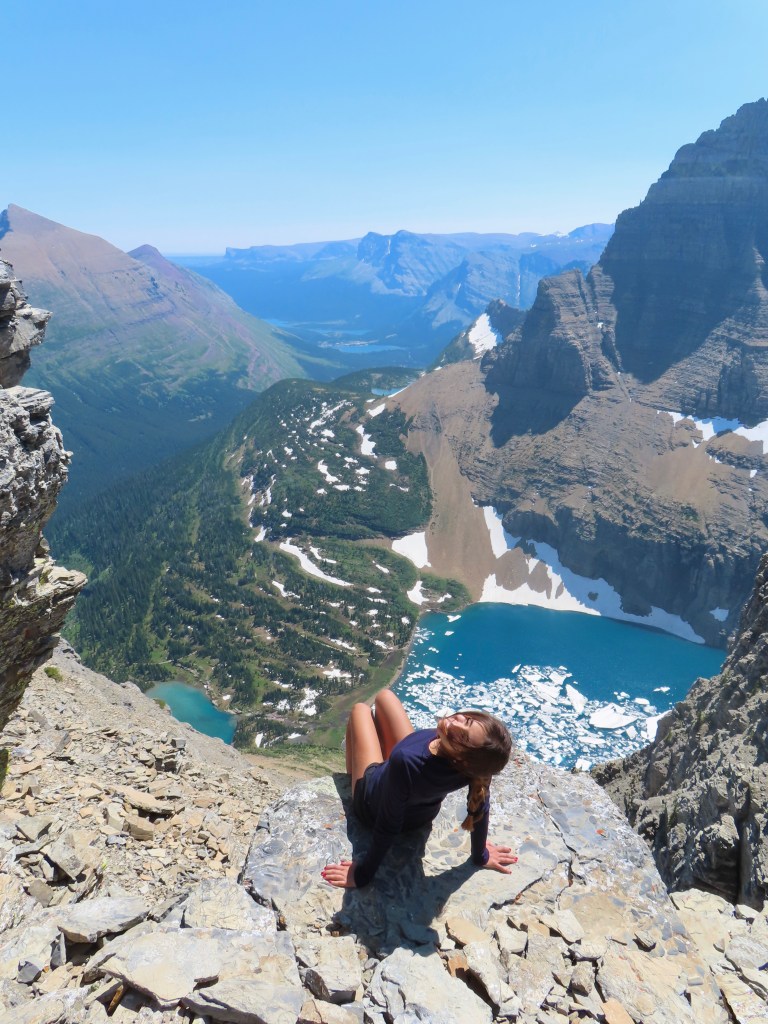
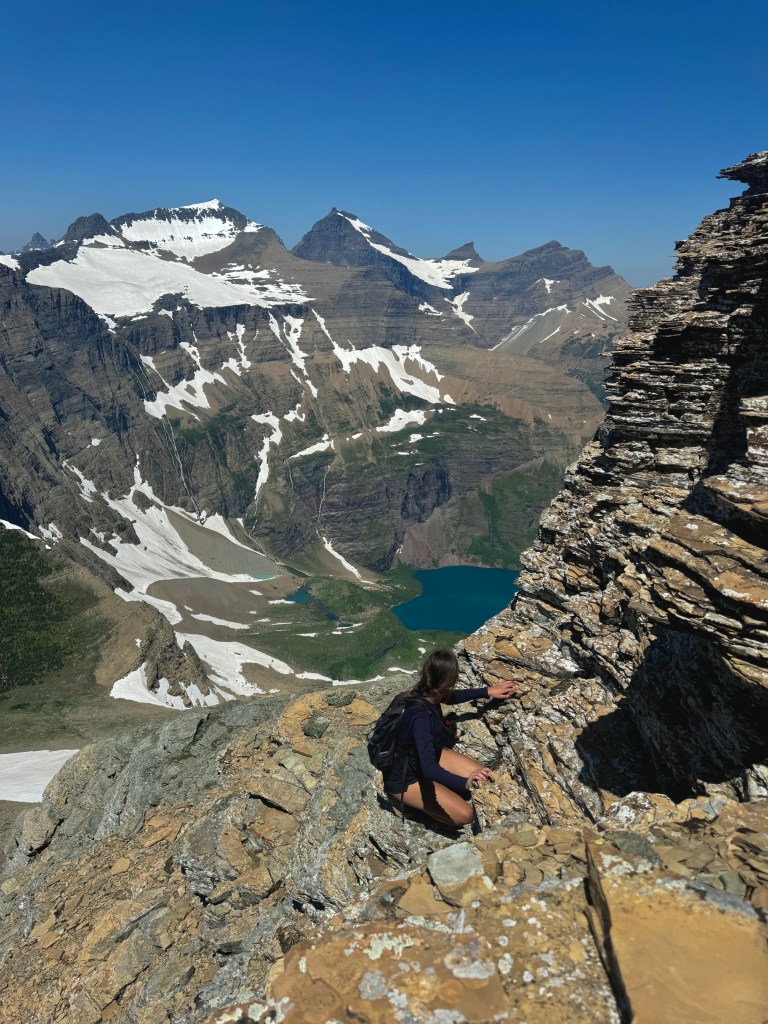
When I worked in Glacier National Park, I hiked unofficial climbing routes around the park, and I readily post my pictures. I’m happy to share the locations in certain communities, but I think it would be highly irresponsible to geotag them on my TikTok or blog. If my post prompted thousands of Glacier visitors to go off trail and hurt themselves or the fragile ecosystem, I would never forgive myself.
Don’t Promote Places Suffering from Overtourism
This topic is pretty nuanced. The way I choose to approach it, again using Sedona as an example, is that I highlight its less popular trails. I won’t necessarily hide Devil’s Bridge or leave it out of my Sedona hiking guide, but I encourage visitors to consider other options. Promoting unpopular or “off-the-beaten-path” trails can actually be beneficial for a destination, as it better distributes visitor traffic. Honestly, I find it effective to share the unpleasant reality of overcrowded trails; it brings attention to the problem and wards off some visitors.
There is also the issue of promoting Sedona as a whole; it has been “loved to death,” as the locals say. I haven’t posted much content about Sedona; if I do, I will be thoughtful about how I promote it.
Share Sustainable Tourism Guidance or Resources
You don’t need to write an entire guide on sustainable tourism practices, but you should equip people with the knowledge to reduce harm on the trail. This goes back to the “Instagrammable” point; set proper expectations for visitors. If a trail has loose rock that could be dangerous or frightening for some hikers, let them know!

Currently, I have about 10,000 followers across various platforms, which is unbelievable, but not large enough where I feel that sharing a hike could have a detrimental impact. Influencers with larger followings need to consider their content far more cautiously. If I had 100,000 followers and posted a hike, its popularity could explode faster than any tourism management organization could handle.
I’ve completed a certification on Sustainable Tourism Destination Management with George Washington University, but I still have much to learn. I would love to start a discussion on this topic, so please drop your suggestions/resources in the comments!
 Latitudes with Lucy
Leave a comment