
Last week I visited two friends working in Yellowstone National Park. I was excited for the opportunity to get an inside look at seasonal work at Yellowstone and see how it stacks up against my experience working in Glacier National Park.
My friends in Yellowstone work for Xanterra Travel Collection, the same company I worked for in Glacier. Xanterra owns hotels, restaurants, and gift shops inside several national parks, so the jobs they offer are generally in hospitality, food service, and retail. The jobs are not the most enjoyable nor high-paying, but they come with the unique perk of living inside a national park. The employment is seasonal, which means you’re only contracted for a few months.
Some seasonal employees, like myself, are just college students looking to fill their summers. Others do seasonal work full-time, moving to different locations a couple times a year. Since Xanterra has properties in Glacier, Yellowstone, and several other parks, it’s a fairly easy process for Xanterra employees to transfer between locations.


Allison is my oldest friend, and this is her first seasonal job, which she was inspired to take after visiting me in Glacier last summer. I met my other friend, Pao, working in Glacier, and he decided to try a summer in Yellowstone for something new. Pao left Yellowstone in early August to go back to university, but Allison is continuing to work at Yellowstone into the fall.


There are two major factors to weigh between employee life at Yellowstone versus Glacier, and Allison and Pao would agree with my takes. Yellowstone has better employee housing and infrastructure, while Glacier has better opportunities for exploring nature.
I got to see inside both Allison and Pao’s housing. Allison lives and works in Grant Village, which has the nicest dorms in Yellowstone. Pao was in Mammoth, which is not as nice as Grant, but better than our housing in Glacier. They both had double rooms, which is generally standard in Yellowstone. Higher-level and returning staff may get better accommodations. Allison’s dorm in Grant has in-room sinks with the shower and toilet in a suite bathroom (meaning they are shared with one neighboring room), while Pao’s dorm bathrooms are shared by the whole dorm. Allison’s room was also much bigger than Pao’s.
For comparison, in Glacier, the standard dorm room has bunkbeds with four people to a room, and the bathrooms are communal and quite terrible. But, again, this varies by location, and higher-level and returning staff may get better accommodations.
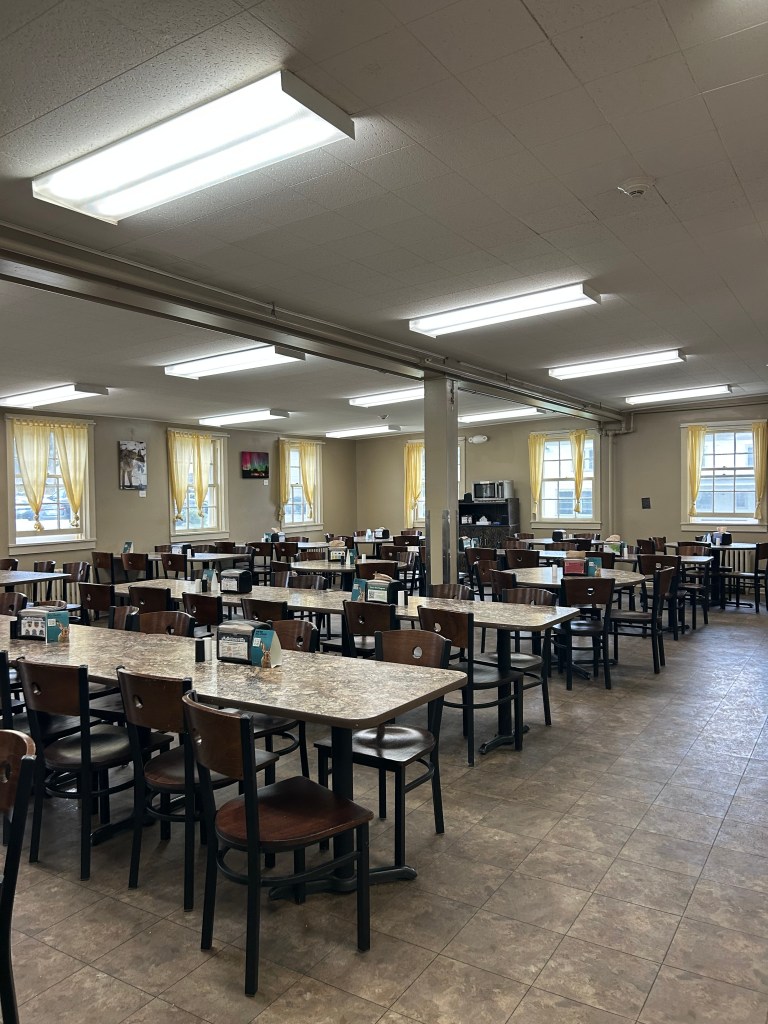

All Xanterra properties have employee dining rooms (EDRs) that serve three meals a day and recreation rooms where employees hang out or throw parties.
Something unique to Yellowstone is that they have employee “pubs” where alcohol is served. I was not allowed inside the pubs, as they check for an employee ID at the door, but I did see some photos and videos of them. They look fairly similar to our employee rec room in Glacier with a pool table and other games, but a little nicer. Some of the pubs resemble a typical dive bar, while others look more like someone’s basement. This summer, they instated a four-drink limit at the employee pubs in Yellowstone, so BYOB at the rec room in Glacier isn’t sounding so bad.
Yellowstone also has employee gyms, which we did not have in Glacier, though the one I saw at Grant was a sorry excuse for a gym that didn’t even have a treadmill. However, the gym at Old Faithful supposedly has an indoor basketball court.
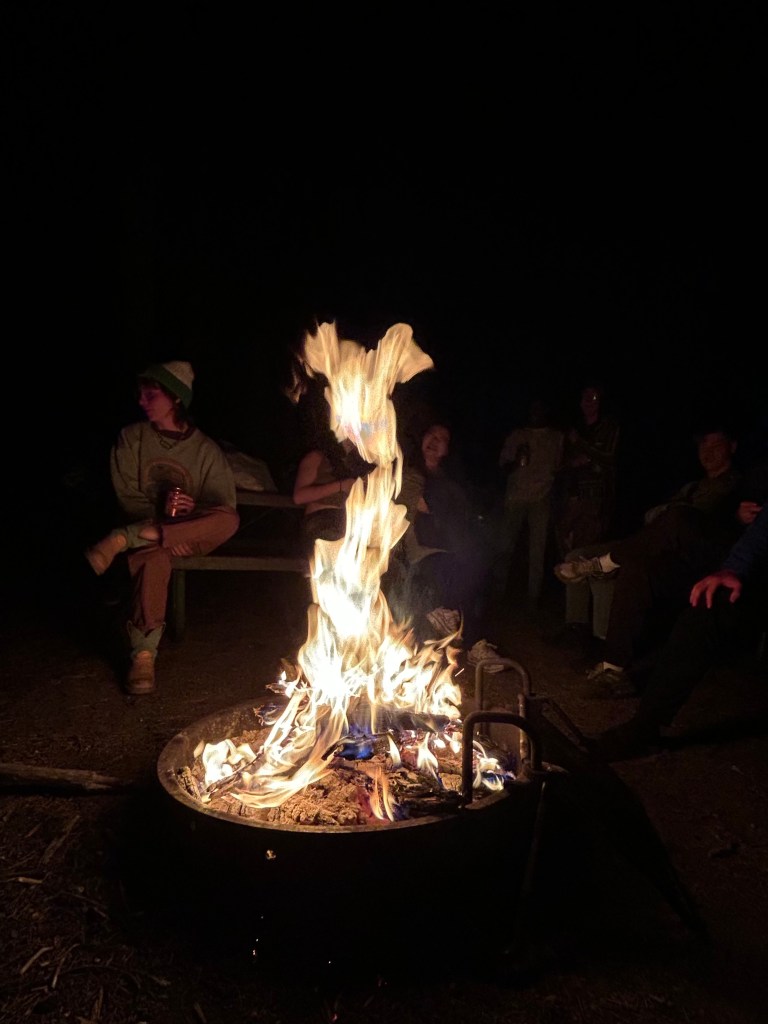

The real highlight of seasonal work is the time we spend off-property. We hike, camp, swim in alpine lakes, and have bonfires. Plus, Yellowstone has hot springs.
For me, this is where Glacier shines because we have the best hiking from trailheads right on property (especially at my location in Many Glacier Valley). In Mammoth, once you’ve done the short walk around the hot springs, you’ve basically done everything. And the employees call Grant Village the “mistake by the lake” because there’s really nothing to do on property. We did a couple wonderful hikes in Yellowstone, but they all were over an hour drive from Mammoth or Grant. If you don’t have a car in Yellowstone, you’d better make a friend who does.
My first summer in Glacier, I worked the breakfast/lunch shift and could go on a ten-mile hike in the afternoon. If the trailheads were a long drive a way, I’m not sure I would’ve had the same ability or motivation to hike after work.

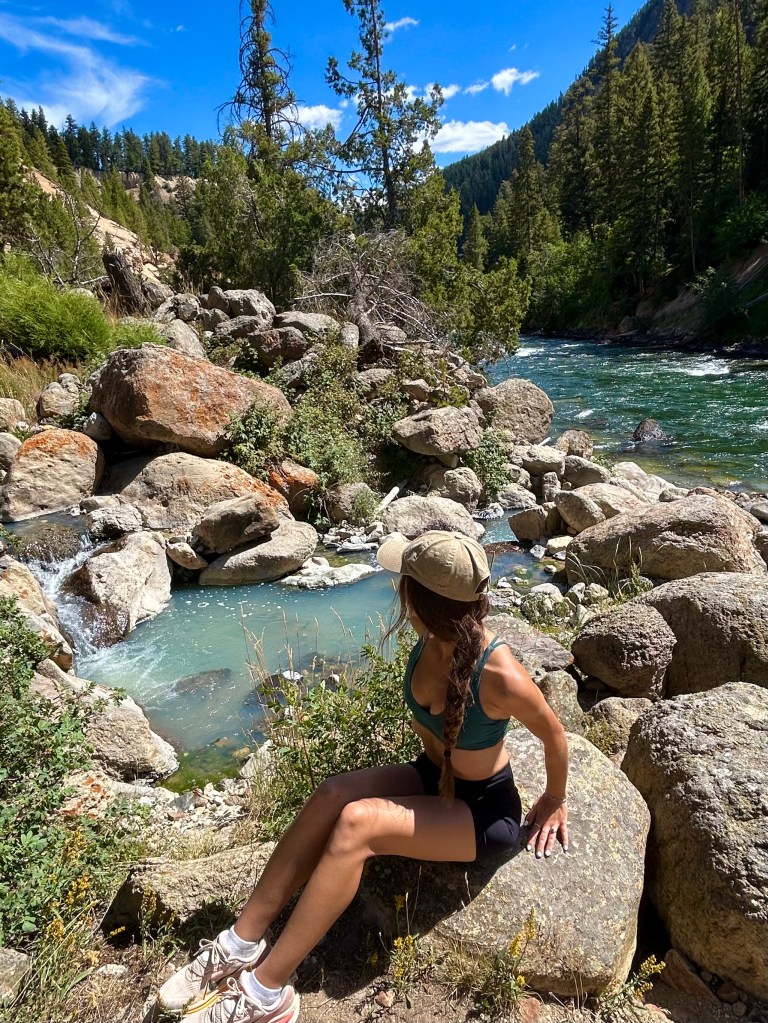
I also think Yellowstone has less off-trail hiking than Glacier, or maybe I just wasn’t talking to the right people. In Glacier, I hiked dozens of unofficial climbing routes where you’ll never encounter a tourist. Allison, while being an avid hiker, didn’t have knowledge of any “secret” hikes.
Obviously, my knowledge and experiences are severely biased. I worked two summers in Glacier, and I only visited people working in Yellowstone. However, Pao, who worked at both, would agree with my assessment. I think Yellowstone offers a nice balance between decent employee housing/amenities and outdoor recreation in a national park. However, if your primary objective in seasonal work is to live like a dirtbag and experience the best Mother Nature has to cover, Yellowstone is probably not the best place to do that.

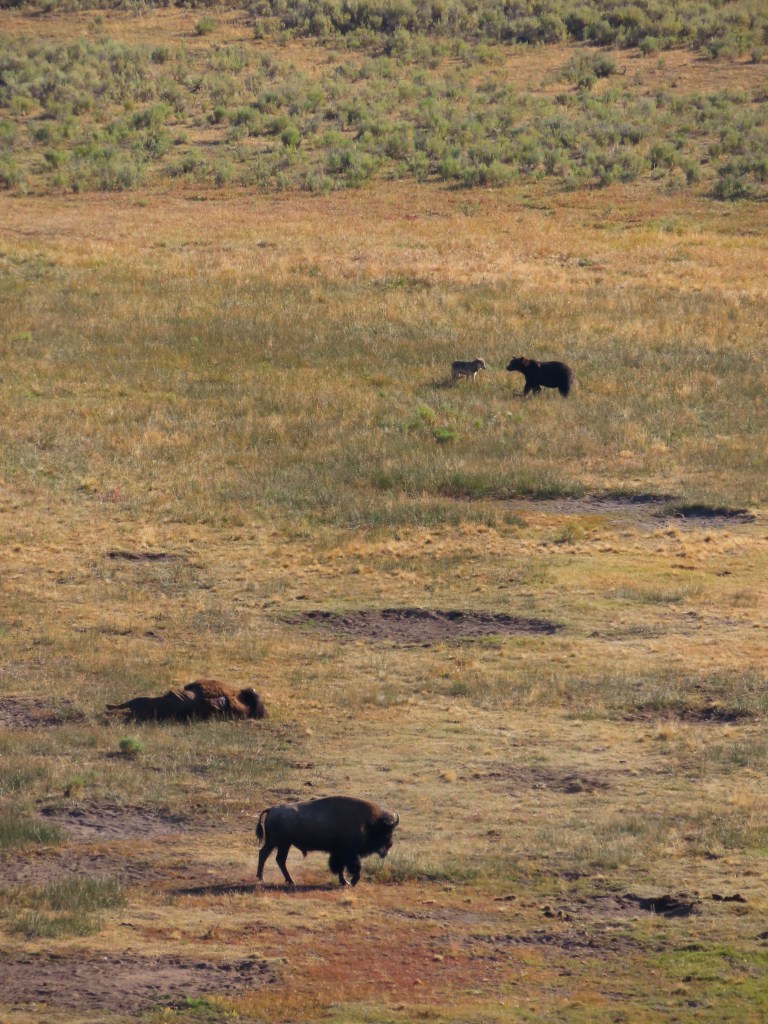
Yellowstone is huge, and Grant Village and Mammoth are at opposite ends of the park, almost a two-hour drive apart. With traffic and bison jams, it could be much longer. A major plus about Allison’s location in Grant Village is that it’s at the South entrance of the park, closest to Grand Teton National Park. It’s two hours or less to drive to the town of Jackson and various trailheads in the Tetons.


I love Grand Teton National Park, and, while I’d probably prefer to just get a seasonal job there, being nearby in Grant Village is a nice option. During Allison’s “weekend” (which falls on Tuesday-Wednesday), we snagged a free dispersed campsite near the Tetons.


This was my third trip to Yellowstone and Grand Teton National Parks, and it was magical and beautiful as always. I had actually applied for a job in Yellowstone this summer, but decided last-minute against taking another seasonal job. Maybe I could’ve been happy in Yellowstone, but seasonal work is emotionally and physically draining. The jobs are hard work, the social scene is intense, and your last ounce of energy is spent on hikes. And, at the end of the day, you go “home” to a mediocre meal in the EDR and shabby, shared accommodations. My summers in Glacier were the best of my life, but it’s not an experience I would recommend to everyone.

If you’re up for the challenge, Find your first seasonal job in a national park. Or, if you’re feeling inspired to visit Yellowstone, you might like The Best of Yellowstone National Park in One Day.


 Latitudes with Lucy
Leave a reply to Lucelia Whitt Cancel reply