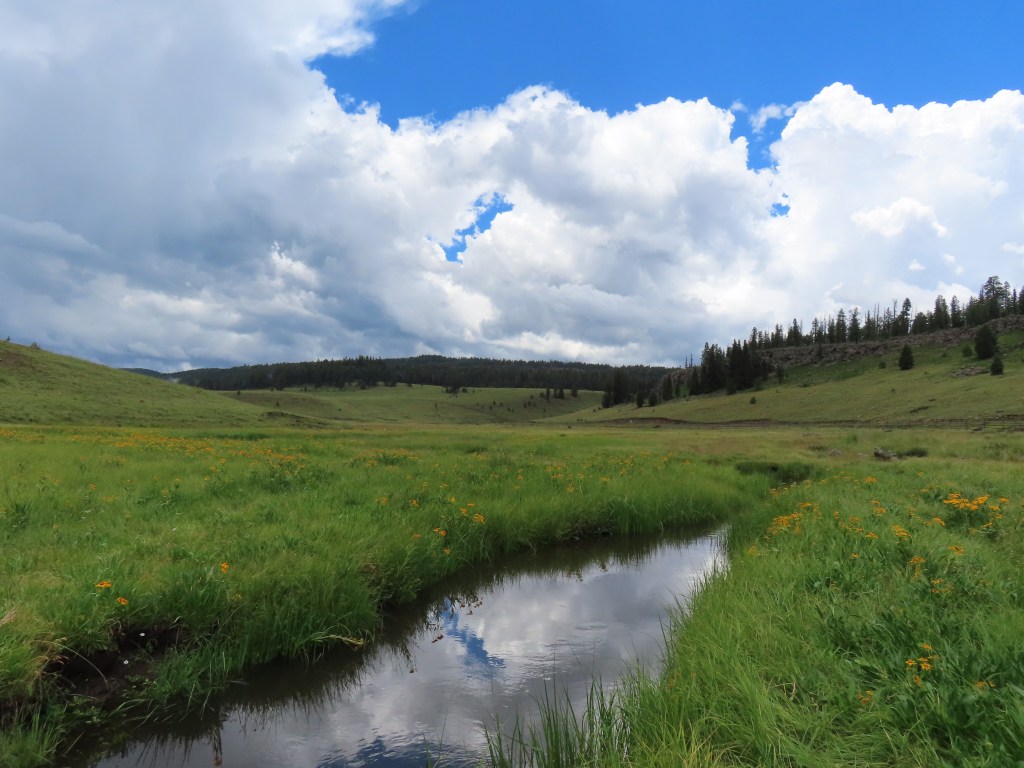
The White Mountains are the perfect summer weekend trip to escape the heat from Phoenix. The White Mountains are Arizona’s second highest mountain range, after the San Francisco Peaks in Flagstaff. The high elevation means the White Mountains have cool temperatures, forests, rivers, and lakes.
The White Mountains are best for hiking in summer and early fall. Expect lots of rain in July and August. The aspens turn golden during fall, but watch out for early snowfall. During winter, there are seasonal closures for snow, and high elevation trails may not be passable until June or sometimes mid-July.
My favorite White Mountain hiking trails are near the town of Greer, so that’s where my weekend trip is based.
Where to Stay
Camping
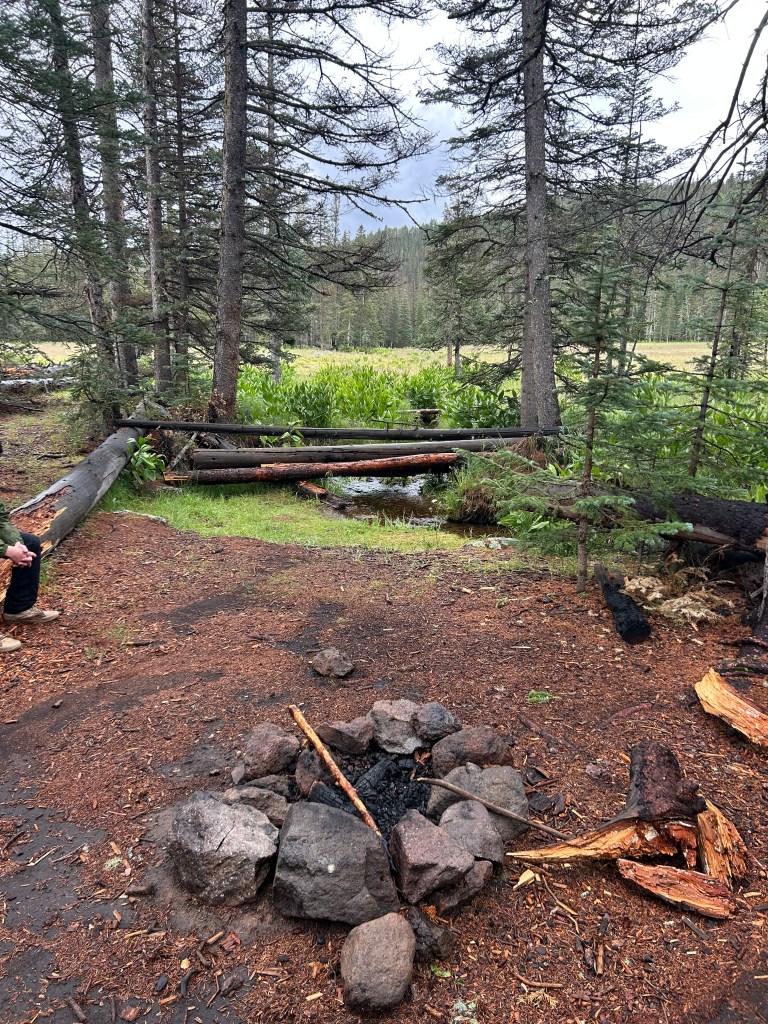
There is no shortage of serene, dispersed camping around the White Mountains. You can find car camping spots all over the forest roads from Show Low to Greer. Most of these are dirt roads, but many are well-maintained (unless there were recent storms/flooding). A permit is required to camp on White Mountain Apache Tribe land.
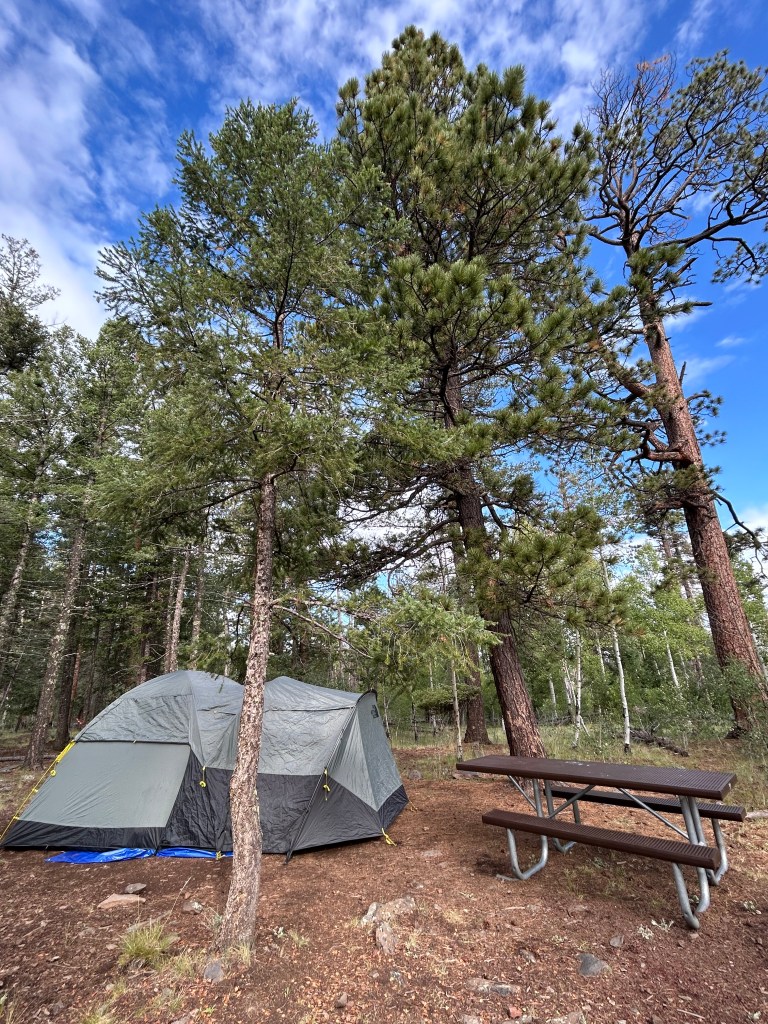
To skip the hassle of finding a dispersed campsite, reserve a site in advance at Winn Campground. It’s near my favorite trailheads, and the sites have picnic tables, fire rings, and plenty of tree coverage.
Lodging
I’ve only camped in the White Mountains, but I’ve heard great things about the Greer Lodge Resort & Cabins and The Lost Resorts. They’re both on the Little Colorado River, so you can touch grass from the comfort of a cabin. The restaurant at The Lost Resorts is one of the best in town, and you can dine and visit the beautiful grounds even if you’re not staying there.
If you’re staying near the town of Greer, I highly recommend the Rendezvous Diner. We had delicious breakfast burritos, coffee, and a fresh muffin while a dozen hummingbirds zipped around the porch.
Hiking
Mount Baldy
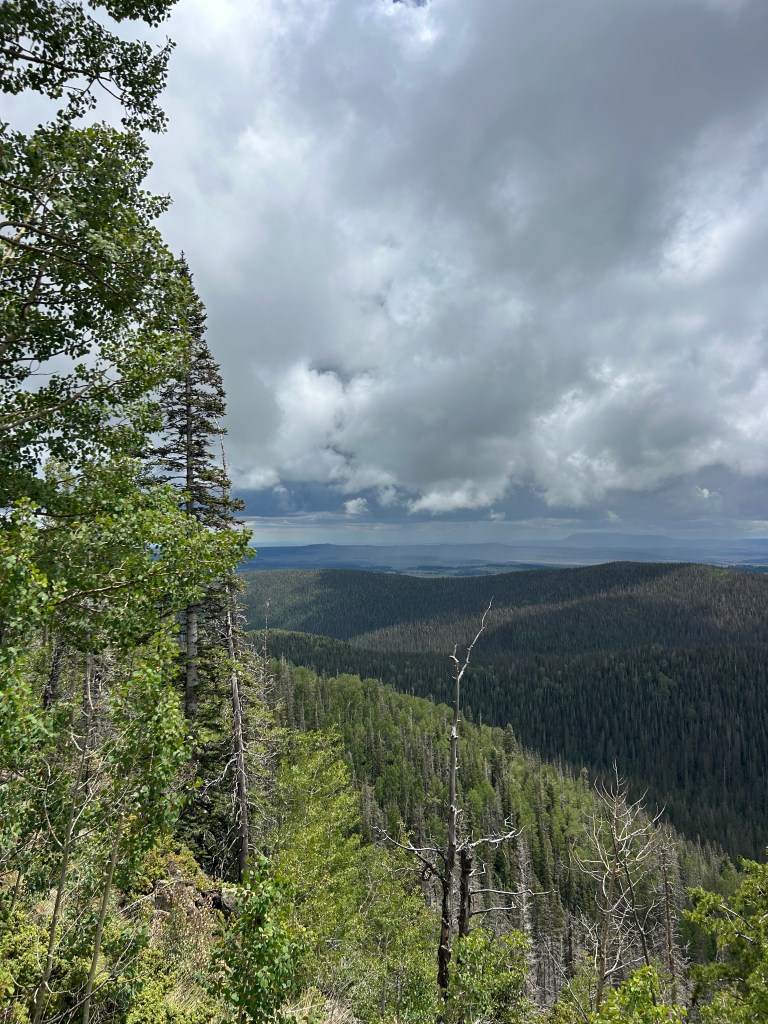
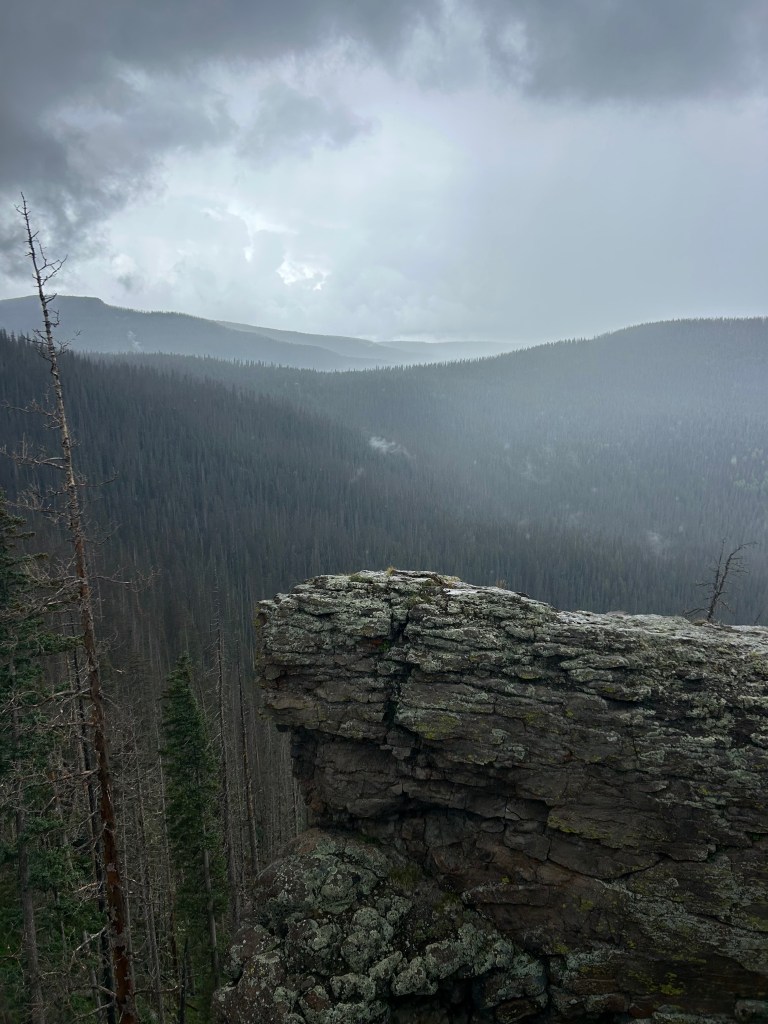
Baldy Peak is the highest peak in the White Mountains, but the summit is sacred to the Apache Tribe and not open to the public. Please be respectful. The public trail goes within 200 ft elevation of the peak and is still worth conquering.
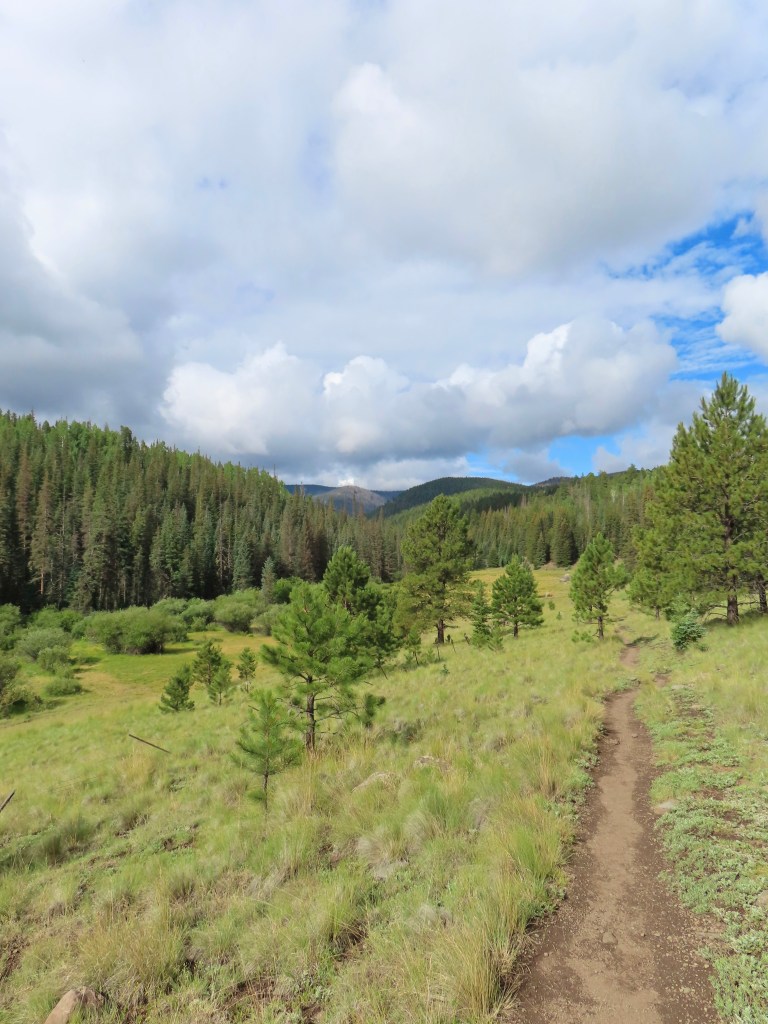
We hiked out-and-back on West Baldy Trail, and I tracked 15 miles and 2,200 ft elevation gain. West Baldy Trail is my top recommendation in the White Mountains even if you turn back early. The first few miles of the trail follow a river through beautiful meadows and valleys. Unfortunately, the “peak” is just a sign marking West Baldy and East Baldy junction, but there were other nice views near the top.
You can also hike a loop combining West Baldy, East Baldy, and the Crossover trails, which is around 19 miles roundtrip. There were beautiful campsites along the trail, so I will definitely be back to backpack the loop. The West Baldy Trail is better-maintained, so we stuck to the popular route during our stormy July trip.
Thompson Trail #629
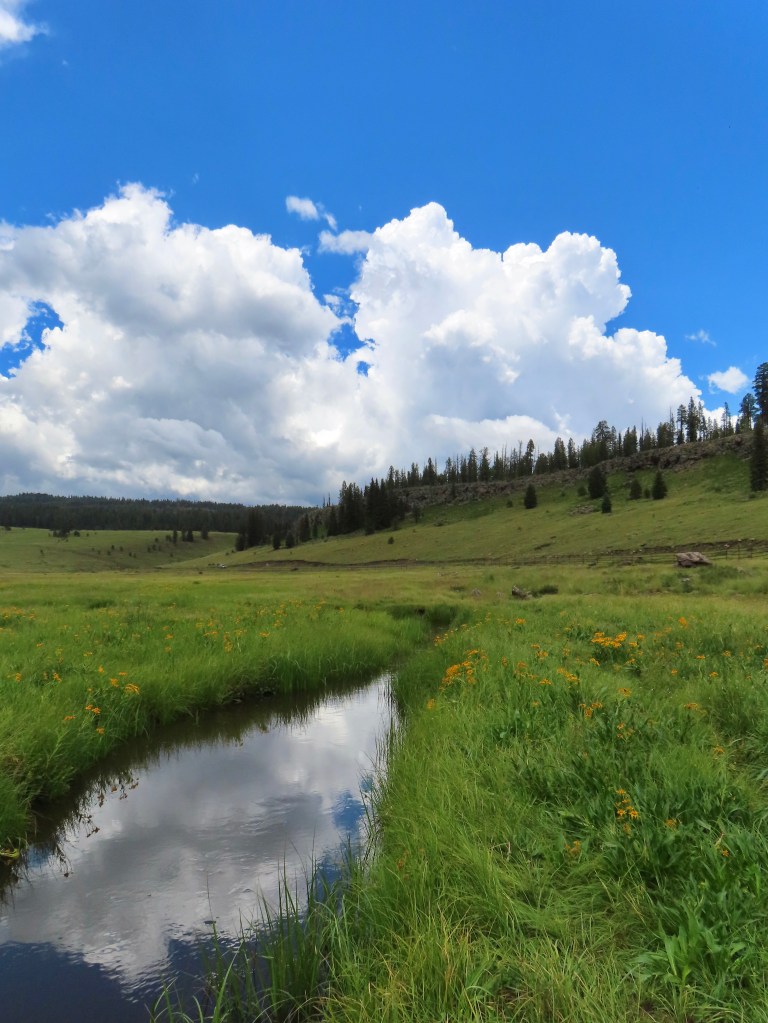
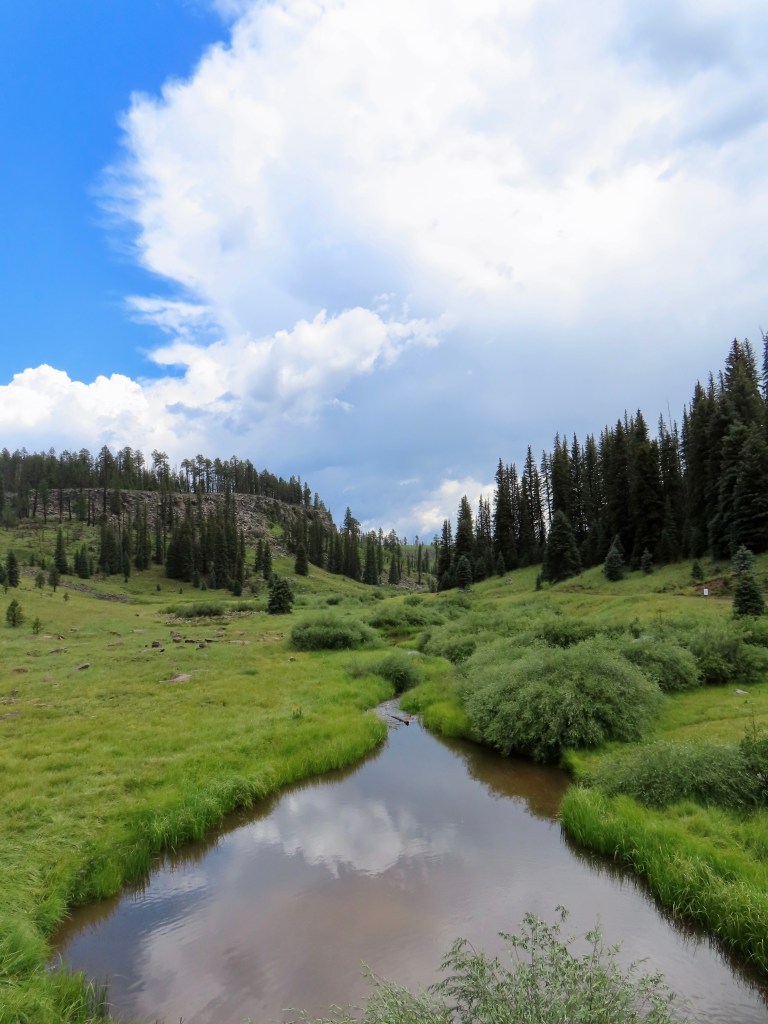
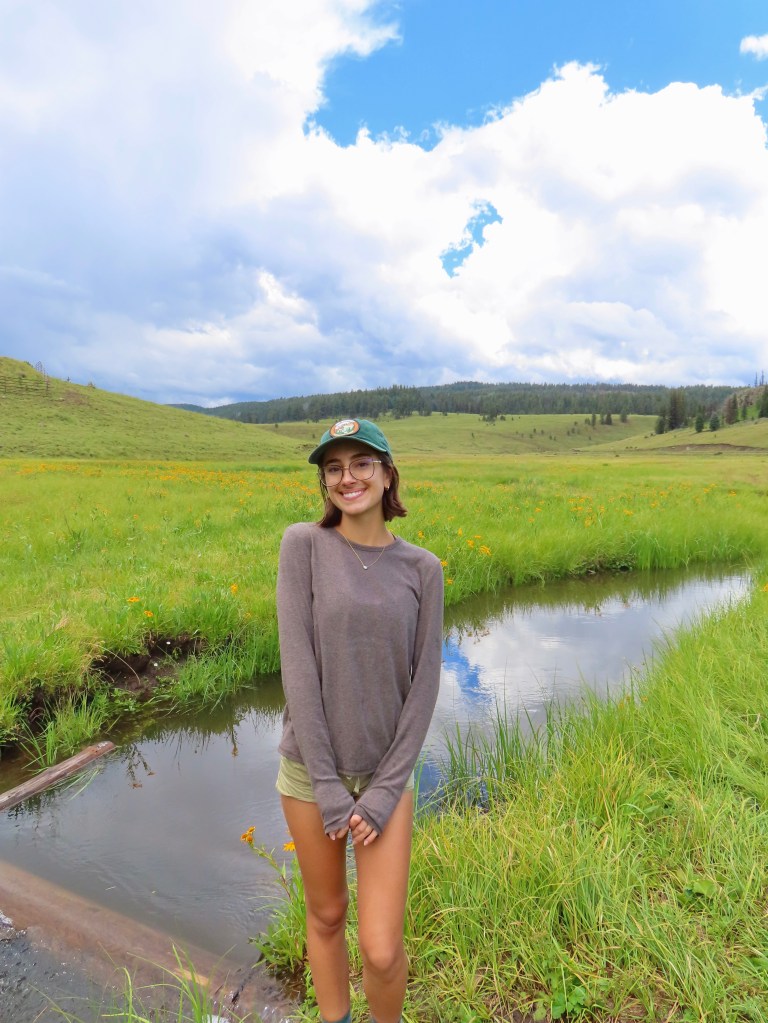
Thompson Trail is a 5-mile roundtrip, relatively flat trail following a creek. It’s the most popular trail in the White Mountains, but the crowds tend to drop off after the first mile. There’s a beautiful open field at the trailhead (where the above photos were taken), and the trail winds through a valley with trees and meadows.
The trailhead is four miles down a dirt road, but it was perfectly well-maintained for my sedan. The parking lot was full when we arrived, but there is plenty of additional parking along the shoulder.
In addition to hiking, the White Mountains are popular for fishing, recreation on lakes, and more. In winter, Sunrise Park Resort is one of the best places to ski and snowboard in Arizona.


Leave a Reply