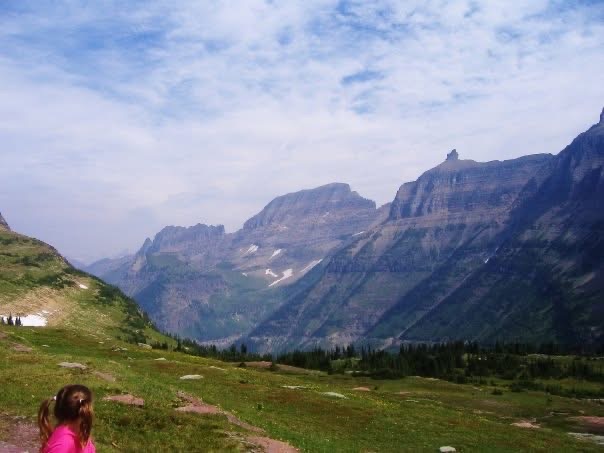
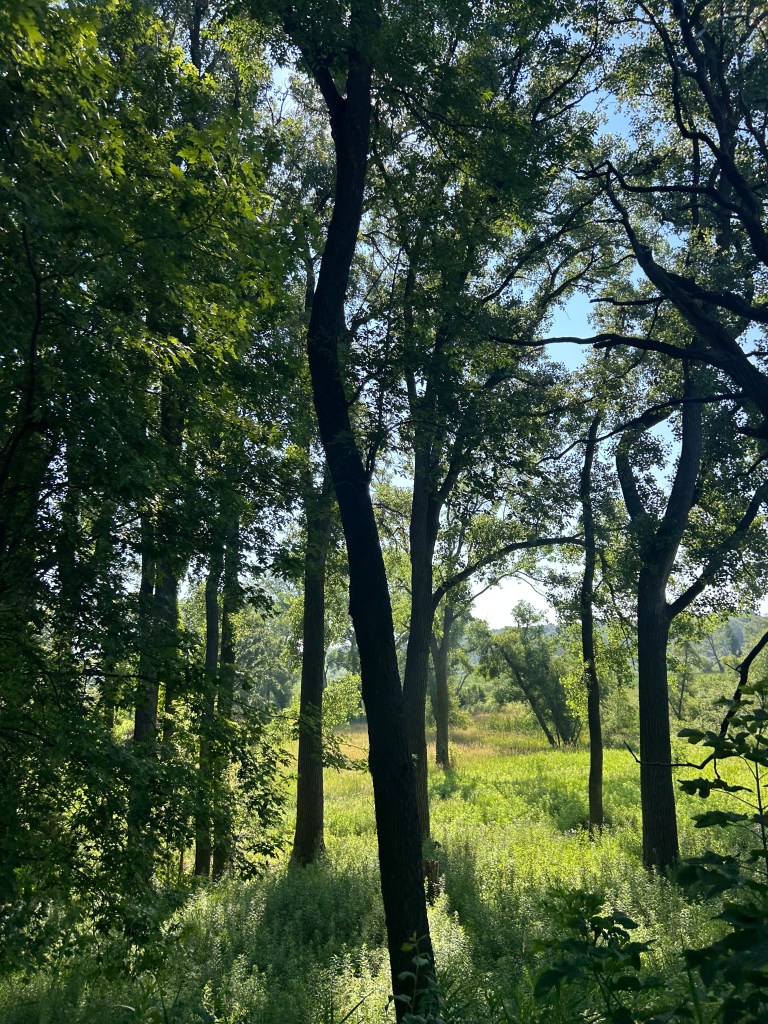
I grew up in the Midwest where hikes are just trails in the woods. There are no peaks to bag or iconic photo ops to chase. Hikers find joy in the little things, like mushrooms. Exercising and being outside is the entire point. Since moving out West, I’ve observed a very different hiking culture.
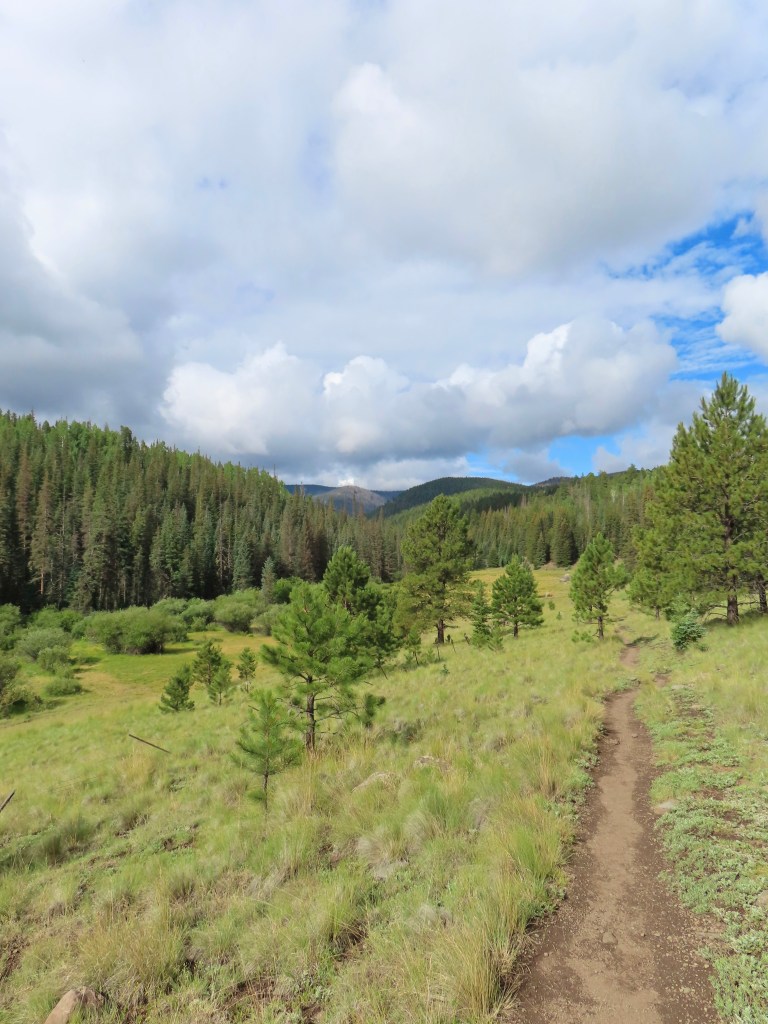
I recently hiked Mount Baldy, the highest peak in the White Mountains of Arizona. The summit is sacred to the Apache Tribe, so the trail’s “peak” is just a sign marking West Baldy and East Baldy junction. What I assume to be the actual summit trail is right there, closed off by a line of rocks in the dirt. I stopped at this junction for a rest before heading down, and another group of hikers caught up. “This is it?” they complained. “Most pointless hike ever!”
If you couldn’t check a summit off your list of accomplishments, would you still do the hike? If a few rocks were the only thing guarding the summit, would you trespass on sacred land in pursuit of “peak bagging?”
My parents took me hiking as soon as I could walk, but that doesn’t make me better than someone who got into hiking later in life after seeing a beautiful Instagram post of the Tetons. If social media inspired you to get out and explore, I think that’s amazing. However, it becomes a problem when hikers don’t attempt to build a deeper connection.
In theory, I think it’s great that more people are getting interested in hiking because they will feel called to environmental activism. In practice, that’s not always the case. People will thru-hike the Appalachian Trail, spending months immersed in nature, and then vote for Trump. The Trump administration is rolling back environmental protections, cutting National Park Service funding, and mass selling public land.
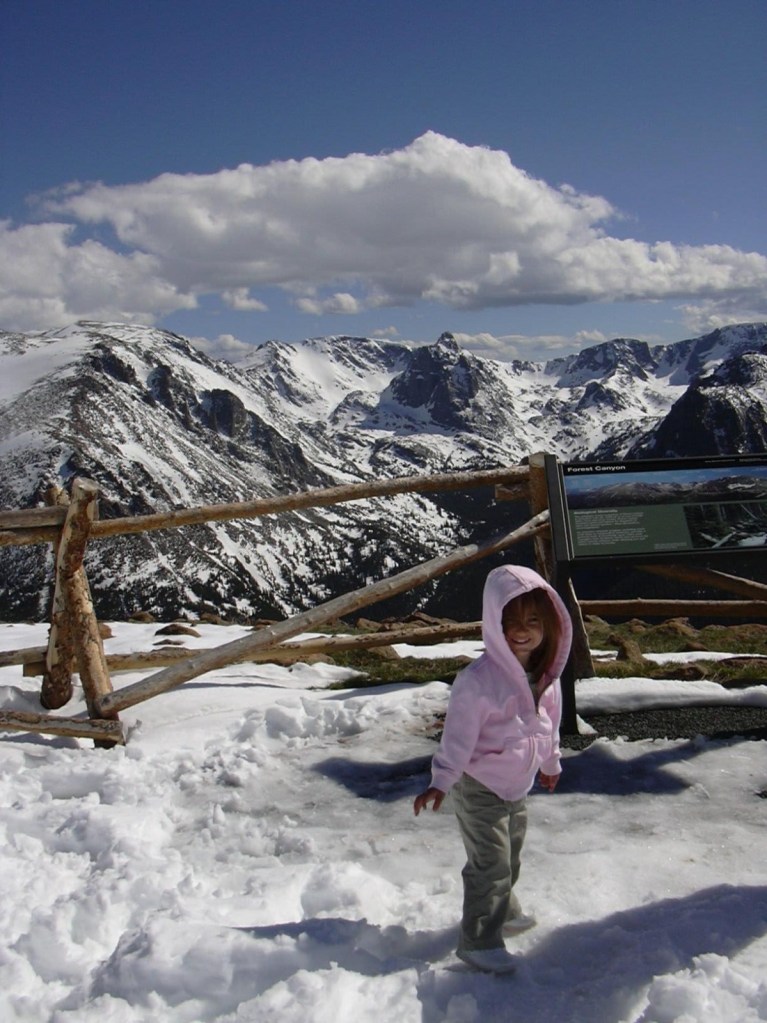

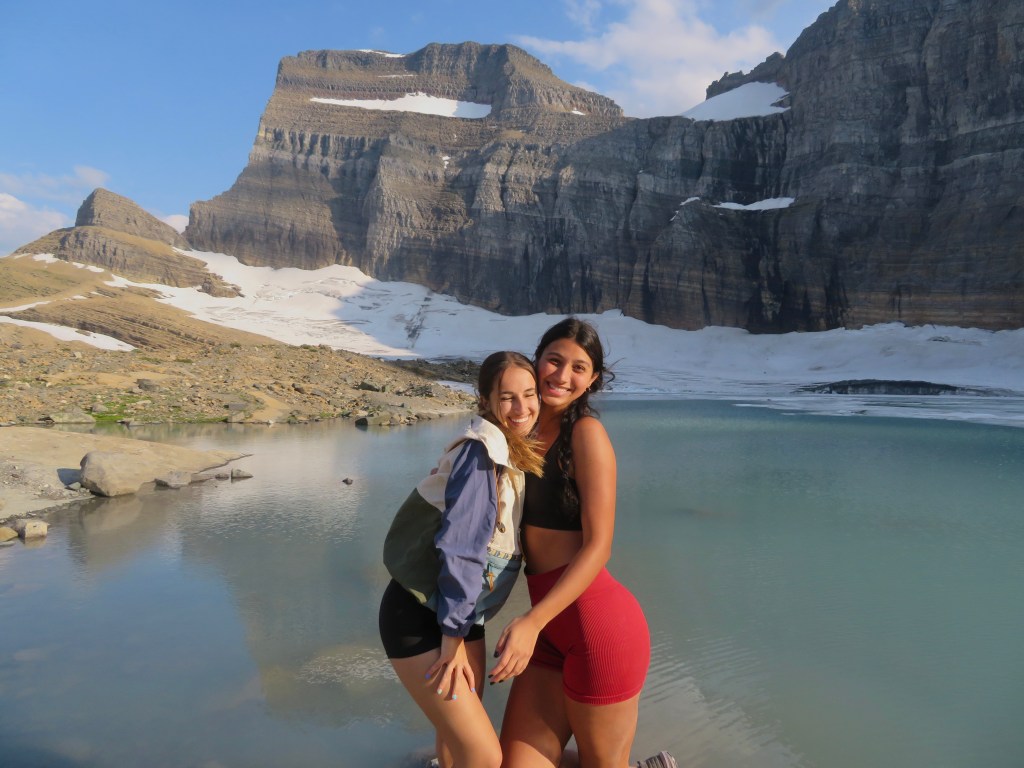
When hiking is seen as a “trend,” people show up to beautiful, fragile places and don’t respect them. To me, a performative hiker is someone who posts about and/or profits off of hiking while not bothering to educate themselves and advocate for the environment or our public lands.
“Gorpcore” is trending, a particular style of hiking clothes worn both on and off the trail. Quality hiking gear is important, but the overconsumption of trendy clothing is incompatible with environmentalism. My running clothes may not fit the current hiking “aesthetic,” but they’re perfectly functional for most hikes. When I need something new, the first place I shop is my local secondhand gear store. (I look forward to thrifting “gorpcore” clothes when they go out of style.)
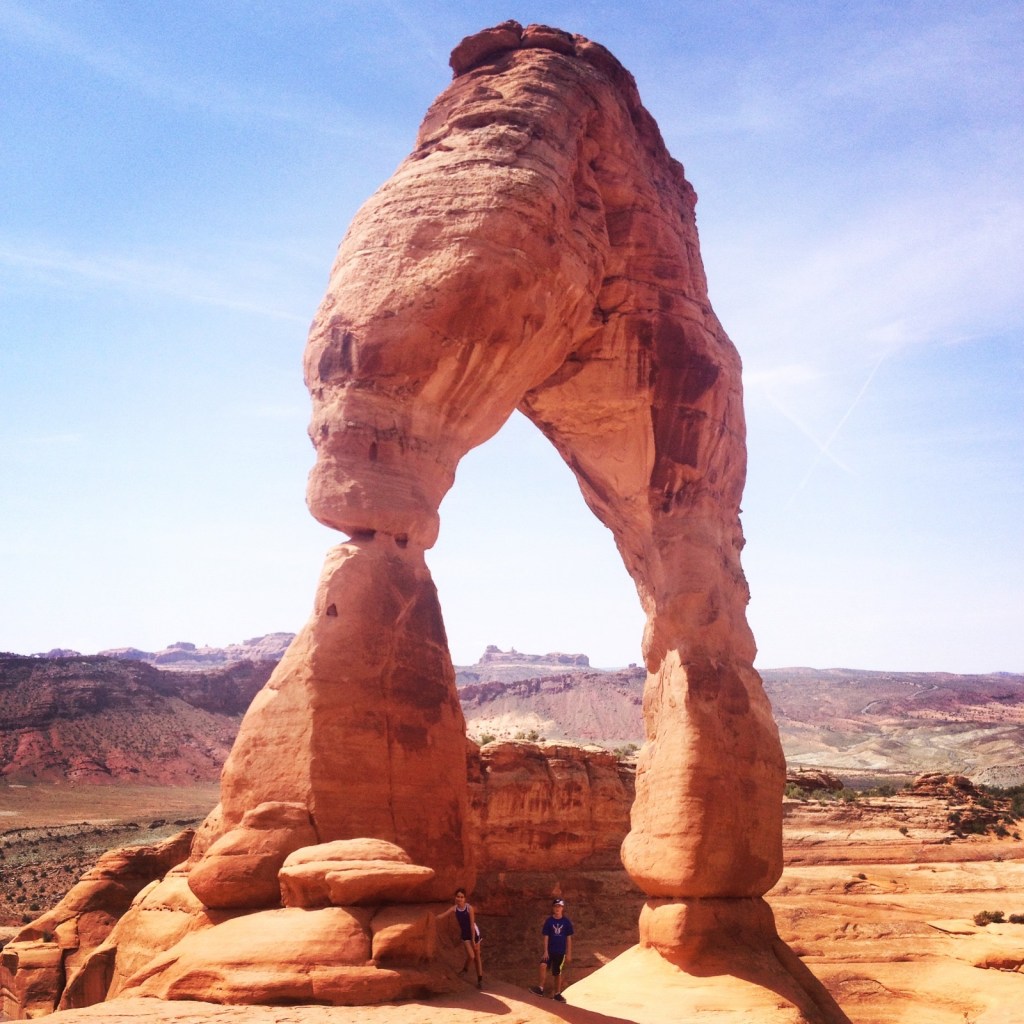
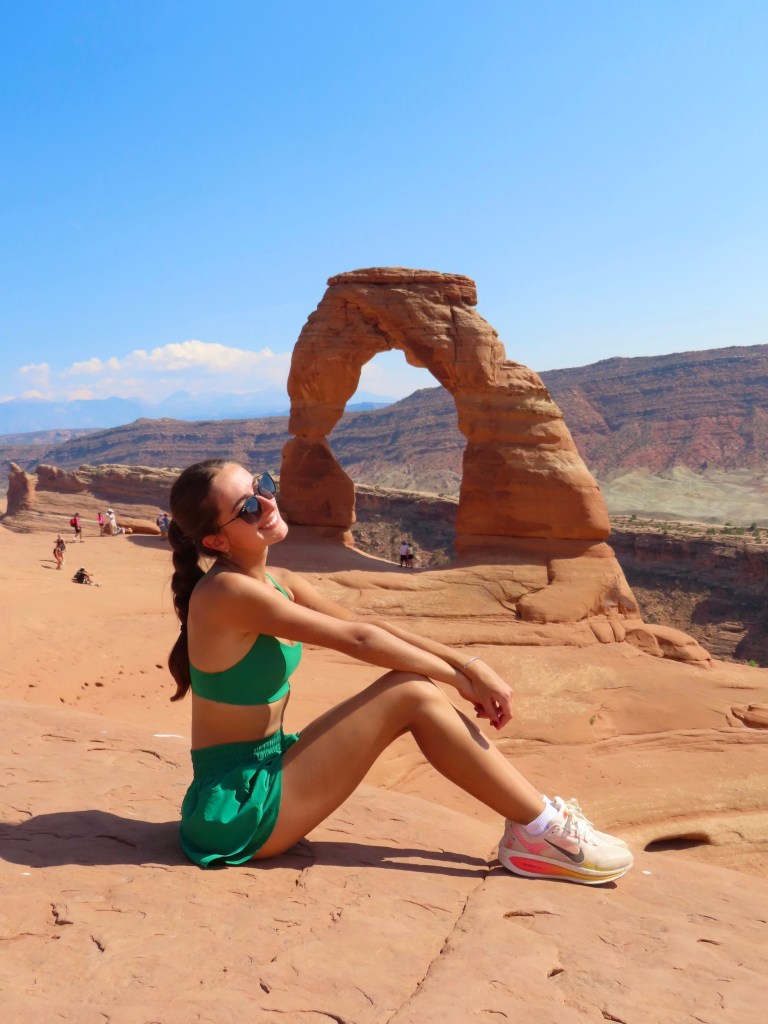
Would you still hike if you couldn’t post about it online? Challenge yourself to hike without taking any pictures. Be in the moment. Hiking is a form of meditation.
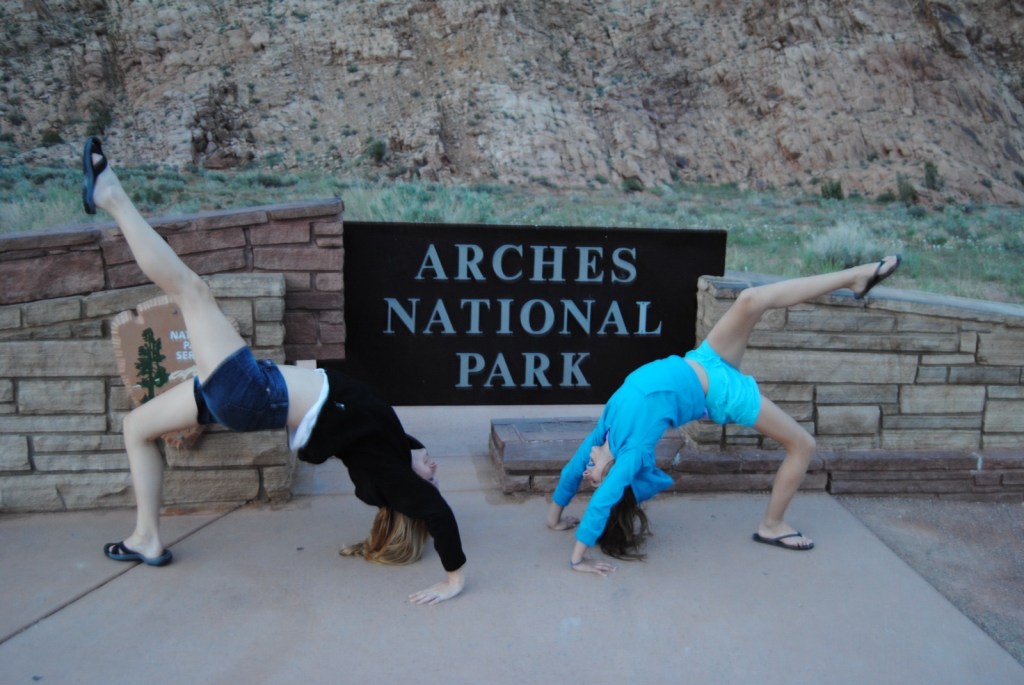
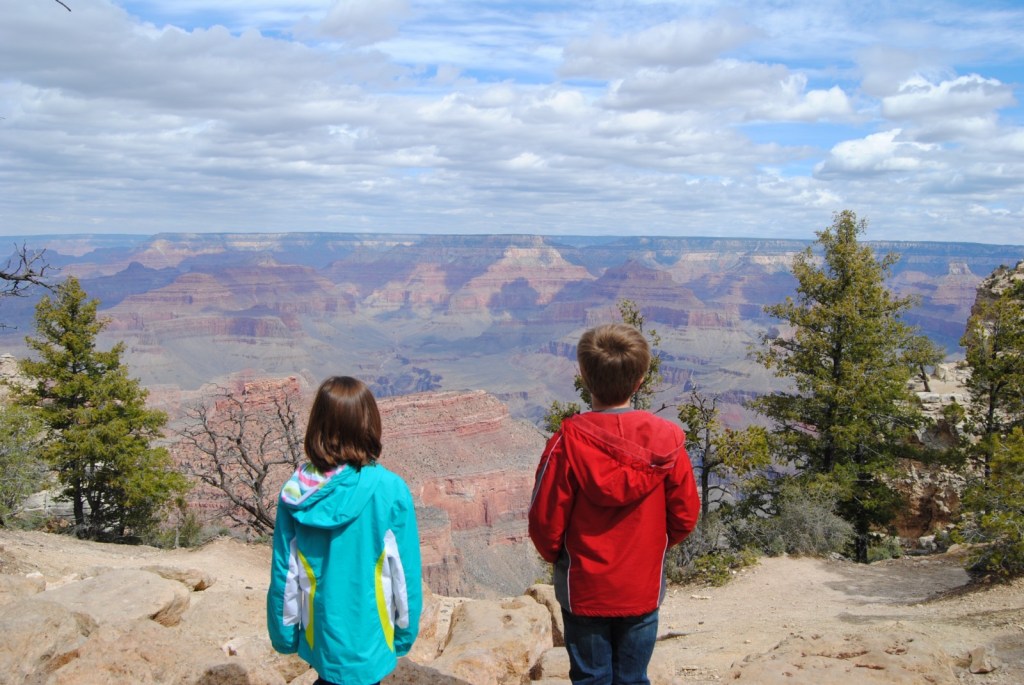
When visiting a national park, seek out a deeper connection. Learn something at the visitor center. Attend an event hosted by the indigenous community. Explore off-the-beaten-path trails.
I use my blog to educate on sustainable practices and strategies. Let’s create a hiking community that gives back to our land.


Leave a Reply