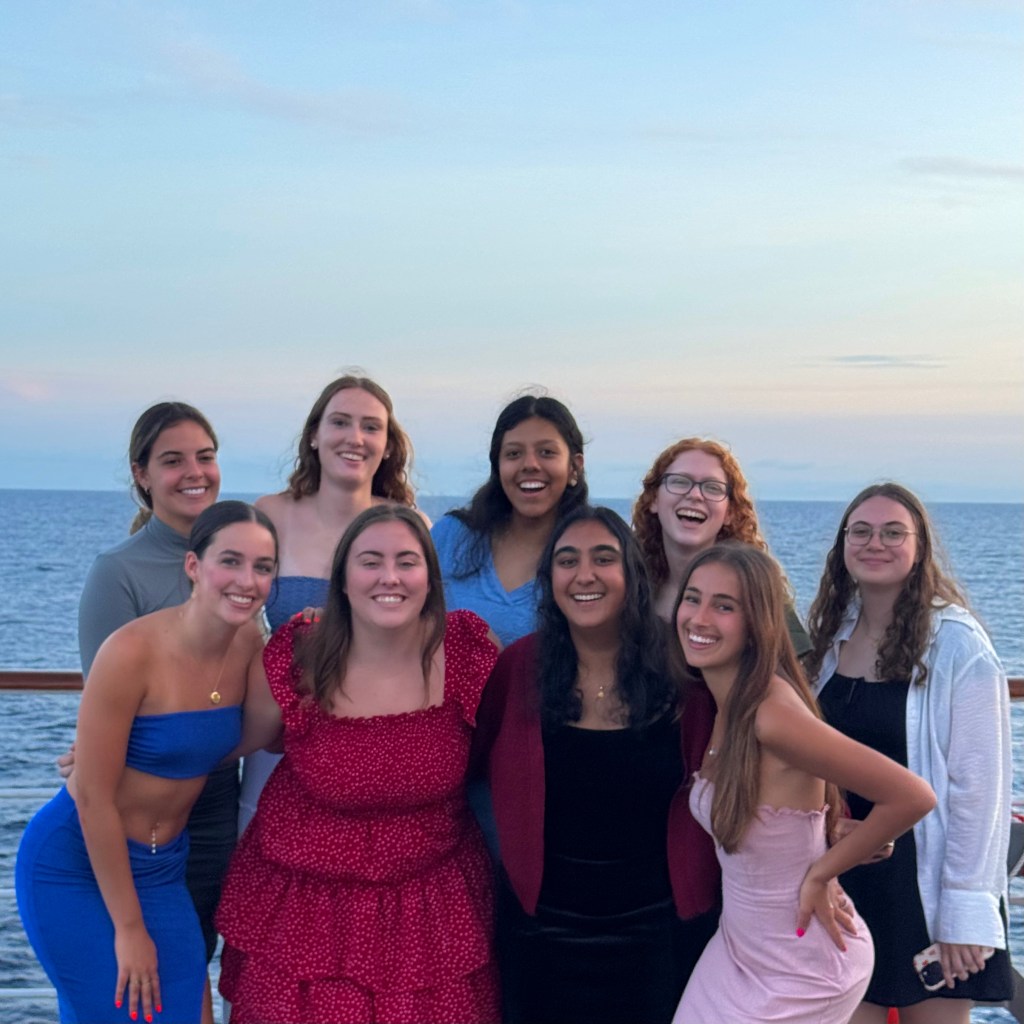
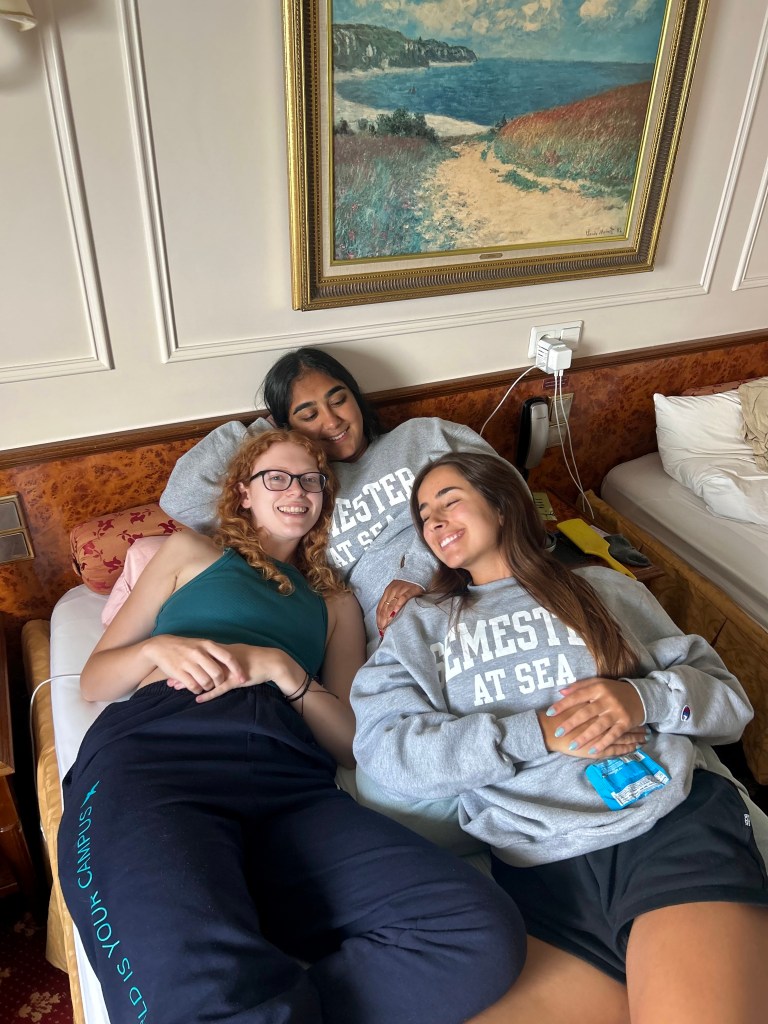
My Semester at Sea experience was beyond my wildest dreams, but some of the experiences that stuck with me were not the ones I expected. When I was preparing for my Semester at Sea voyage, I watched many past SASers’ YouTube videos of travel highlight reels and a merry ship community. Perhaps I was naive to think Semester at Sea was immune to travel pitfalls, political conflicts, and social disparities. I anticipated culture shock in-port, but I was not prepared for the cultural conflict on our ship.
Every Semester at Sea voyage is different, and, with over 400 students each semester, students on the same voyage could have vastly different experiences. I was a student on Voyage 133 (Spring 2024), and we sailed on the MV World Odyssey to Thailand, Malaysia, India, Kenya, Mozambique, South Africa, Ghana, Morocco, Portugal, and Germany.
What is Semester at Sea? Semester at Sea is a study abroad program on a ship. College students from various universities (majority U.S. but some international) spend a semester taking classes on a ship and sailing to ports across multiple continents. We have class every day on the ship and no classes while in ports (with some exceptions, like shipwide “holidays” and field classes). Ports are typically 4-6 days, and students can travel independently or buy field programs organized by Semester at Sea.

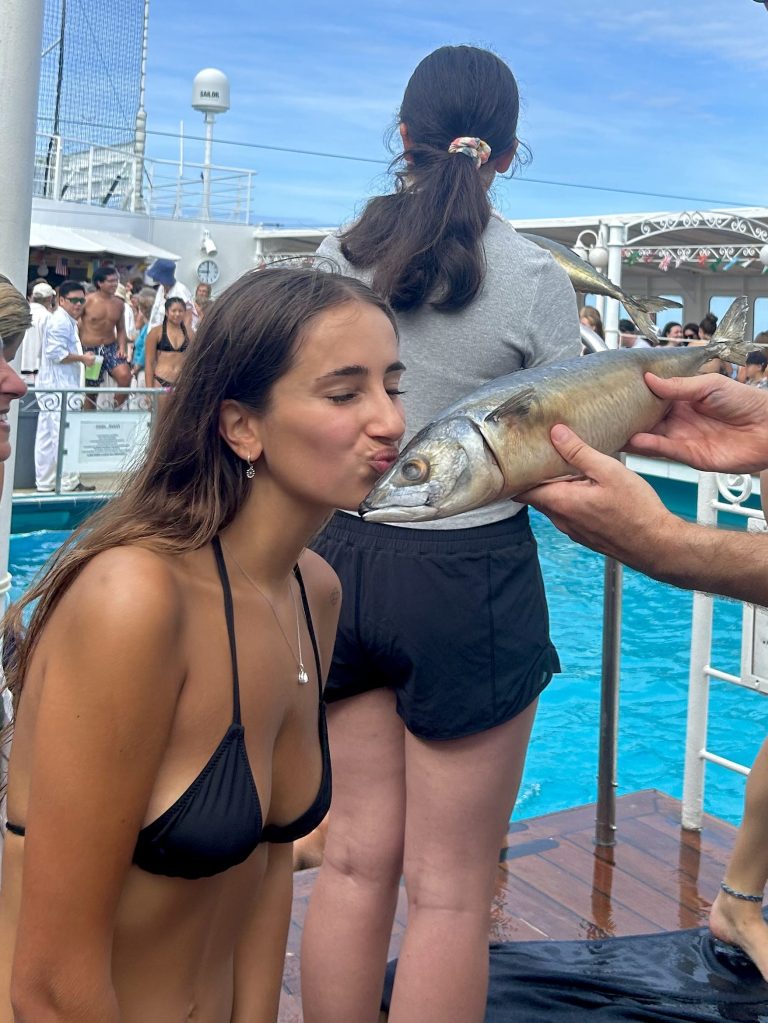
I learned about Semester at Sea in middle school from my social studies teacher (circa 2015). Her niece was on a voyage, and my teacher incorporated some of her niece’s photos into our lessons. While we learned about ancient civilizations in class, her niece stood on the Great Wall of China. Long before I ever dreamed that attending Semester at Sea was a possibility, I had this image of the voyage as a wholesome, educational experience.
Embarkation
I boarded the MV World Odyssey in Bangkok, Thailand, on January 5, 2024. I took a water taxi across the port to the ship (because I couldn’t figure out how to get there by land), and, watching the MV World Odyssey come into view, I couldn’t believe my eyes.
I hoisted my luggage over the side of the pier, climbed over the concrete barrier, and I was finally standing next to the MV World Odyssey… on the wrong side of customs. Security hustled me through a gate, and the ship crew met me with a warm welcome on the other side.
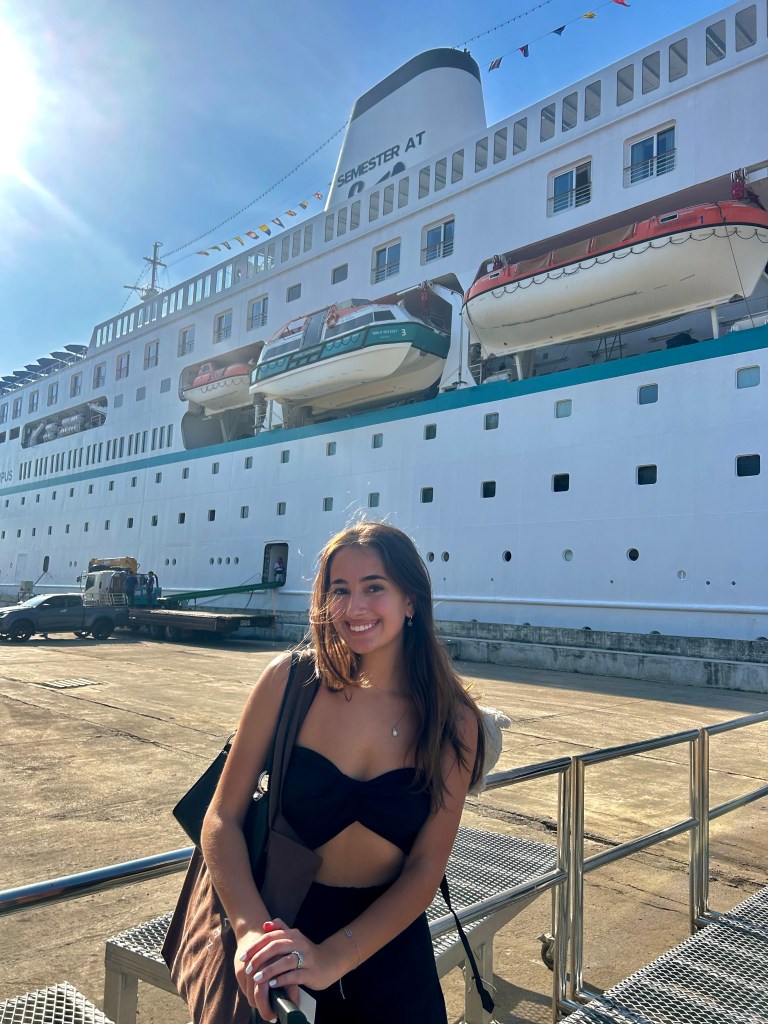
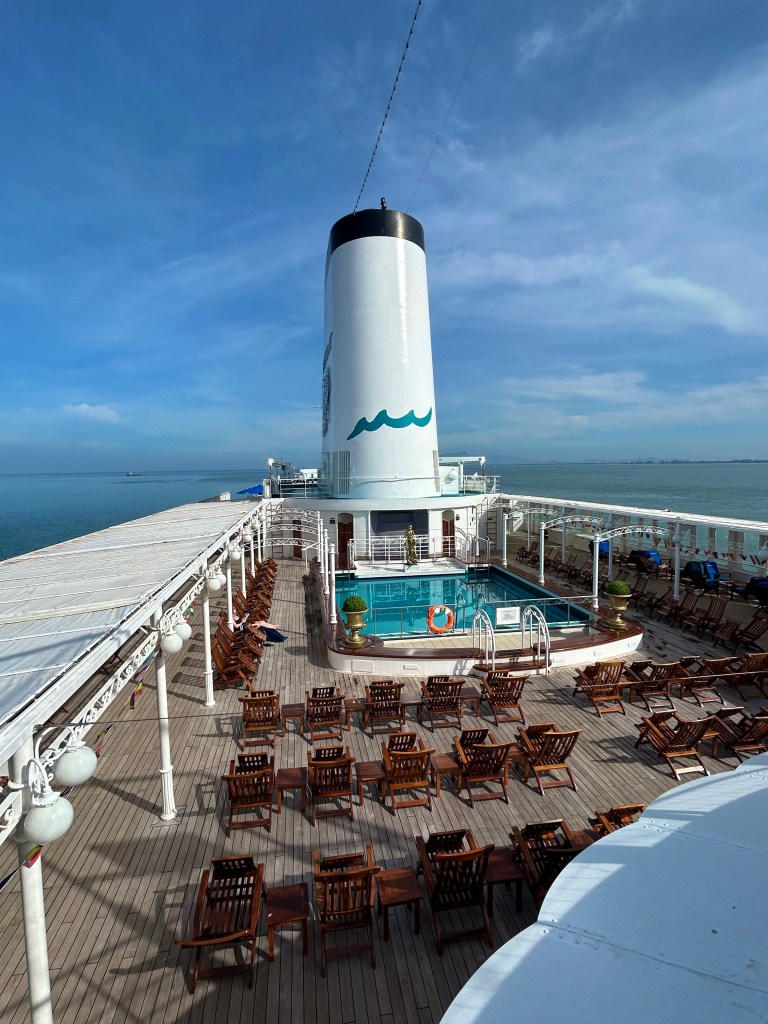
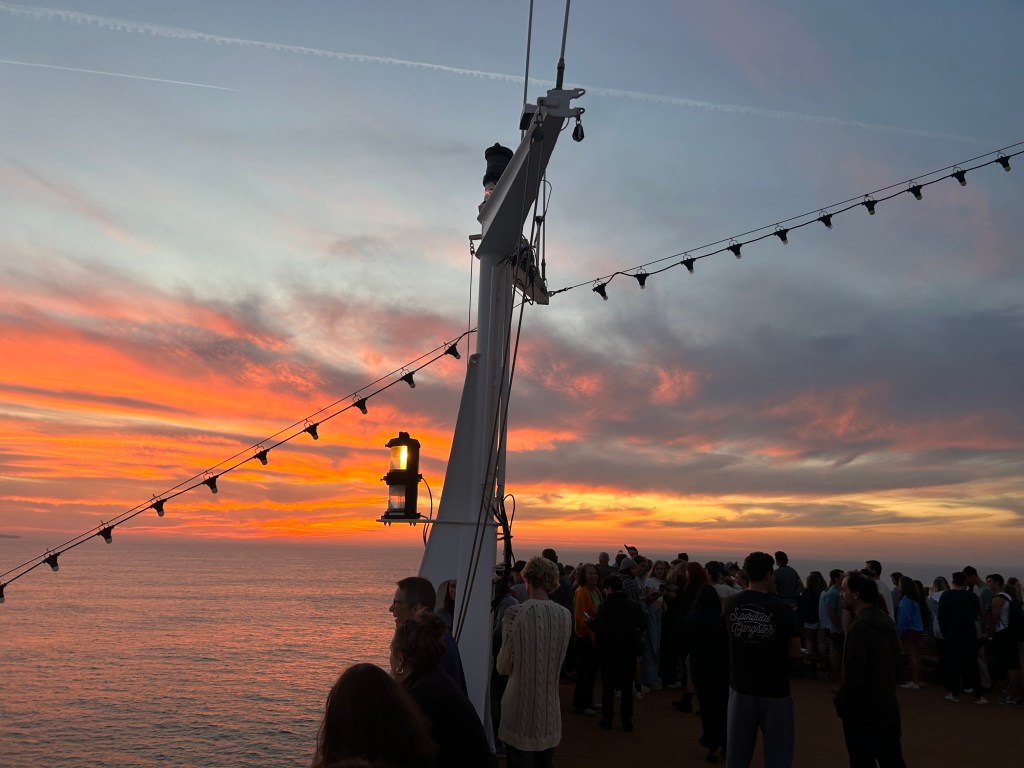
In the wake of the COVID-19 pandemic, I didn’t allow myself to believe that the voyage was happening until I was actually on it. The first week on the MV World Odyssey felt like a fever dream. After class, I tanned by the pool with my new friends, did homework in the ocean breeze, and fell asleep to the gentle rocking of the ship.
Malaysia: The Honeymoon Phase
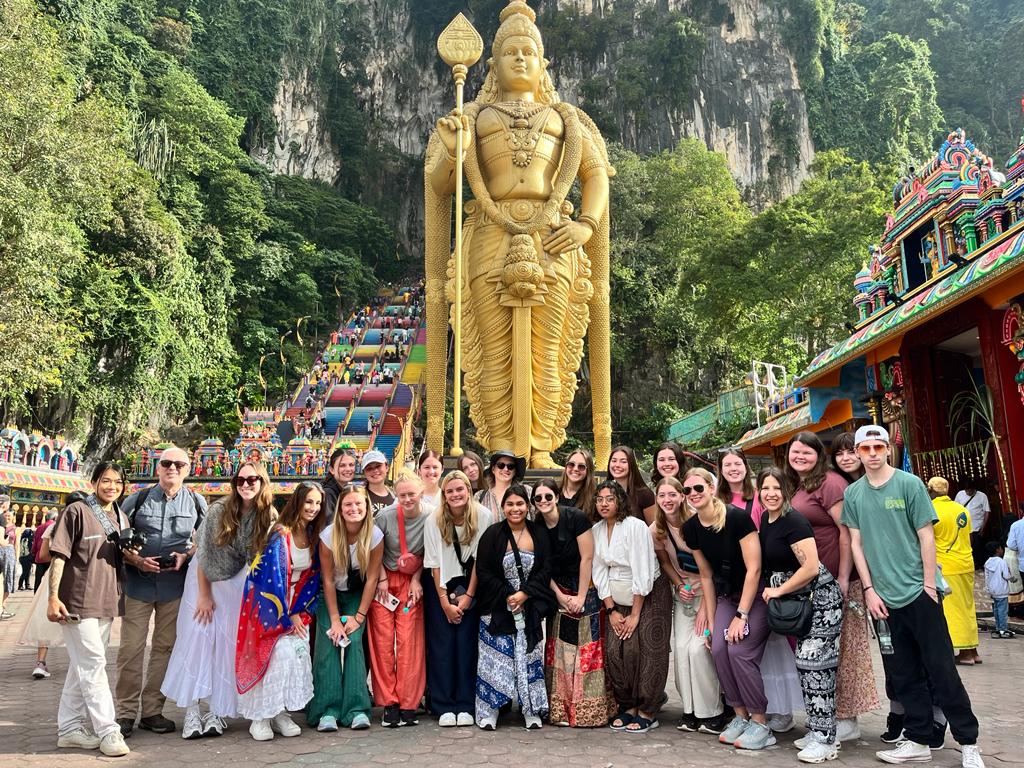
I had booked overnight field programs for the first few ports, so I didn’t have to worry about making friends and travel plans early on. I loved my field program in our first port, Penang, Malaysia. We rode jeeps up to the Cameron Highlands, took a walking food tour of Kuala Lumpur, climbed the colorful steps to the Batu Caves, and so much more.
(Read more about field programs on Semester at Sea.)
One of my most vibrant memories from Semester at Sea was swimming in a rooftop pool at our hotel in Kuala Lumpur. It was nighttime, and the Petronas Towers glowed in the distance. I was taking with a couple girls on the voyage about how surreal it was to be there and how grateful we were.
We lived intensely in the moment, and that feeling continued onto the ship. With our limited WiFi, the students were so present with our ship community. My friends and I compared our different excursions in Malaysia, talking and playing card games late into the night. As we sailed toward India, I spent afternoons laying in the sunshine on the decks and reading a fascinating non-fiction book, “Behind the Beautiful Forevers: Life, Death, and Hope in a Mumbai Undercity” by Katherine Boo. I was reading more on the ship than I had in years.
India: Group Travel
Two college students from India boarded the ship in Penang to sail with us to the next port: Kochi, India. They were inter-port guests, who sit in on our classes and teach us about the upcoming port.
Every student on Semester at Sea is required to attend Global Studies, a lecture class in which we learn about each port. In a lesson about the caste system in India, the instructors taught us outdated, offensive information. Fortunately, the inter-port students were there to correct them, but I lost trust in the class after that.
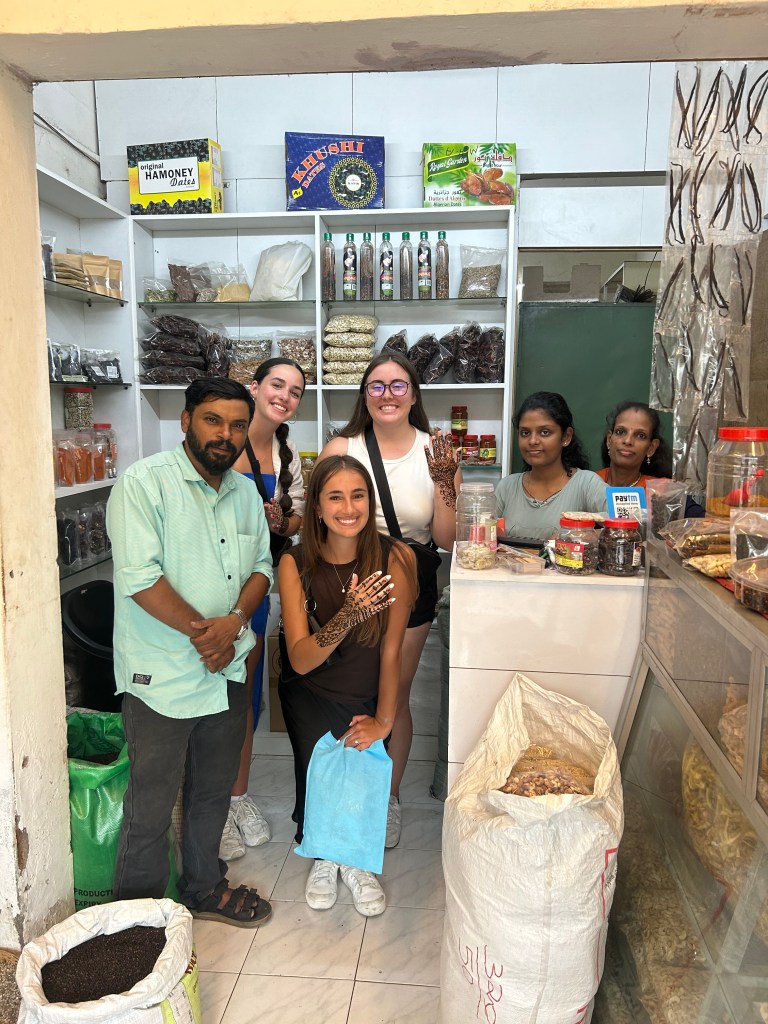
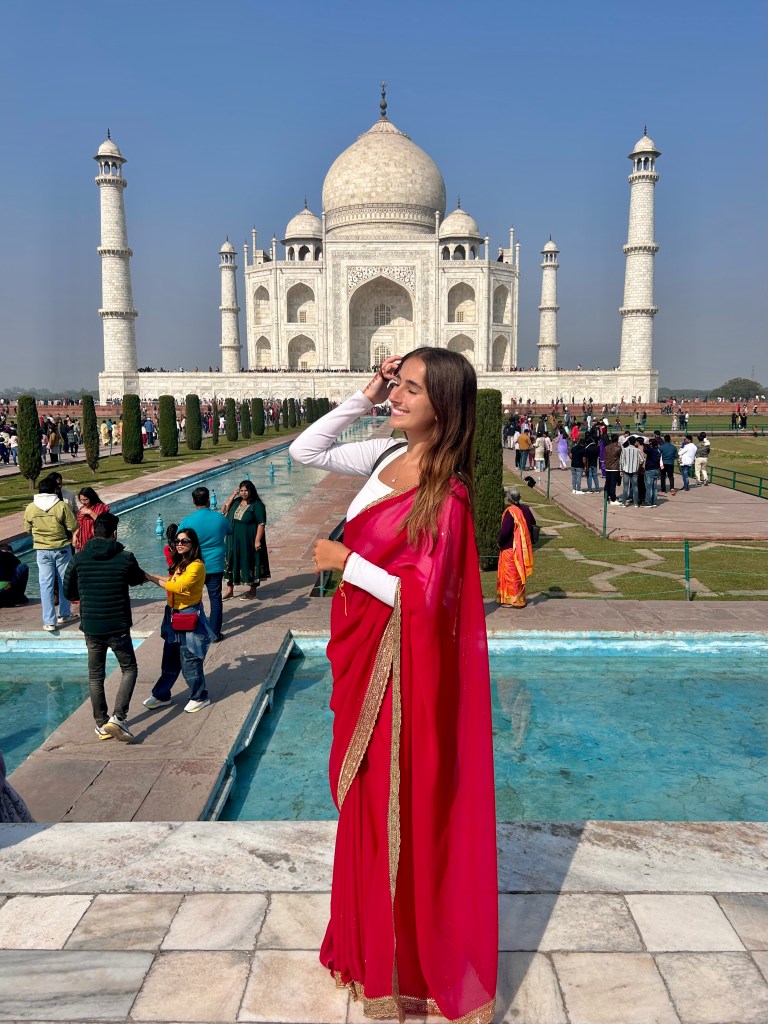
My favorite moments in India were the genuine interactions with locals. Our first day in port, before my field program, my friends and I walked into a spice shop and asked where we could get mehendi (henna) done. They pulled up a chair, phoned a friend, and ten minutes later we were getting mehendi. We drank chai, sampled various sweets, and chatted with the teenage girl working at the spice shop. Traveling in a large group on the field program, moments like that were few and far between.
I appreciate the field program because I got to see a lot of India in a short amount of short time, and logistics like navigating the complex train system were handled for me. However, it didn’t challenge me or facilitate genuine connection with India, which I view as crucial characteristics that set study abroad apart from traditional tourism.
After India, I started hearing racist remarks from other SASers on the ship. They ranged from microaggressions, like crude generalizations about India, to straight-up aggressive statements to/about minority students on the voyage. I had assumed that students on a multi-continent study abroad program would be culturally competent (or at least try to be), but that wasn’t always the case.
Kenya: Privilege and Inequality
Just before we arrived to our third port, Mombasa, Kenya, an article was published in Kenyan news: “World’s Largest Floating University Charging Ksh6 Million Per Semester Docks In Mombasa” (Timothy Cerullo on Kenyans.co.ke). We expected to haggle over prices at markets like any tourist, but I heard unsettling stories like taxi drivers aggressively demanding money from students. (The tuition cost was exaggerated by more than $15,000 USD, not that it would have mattered.)
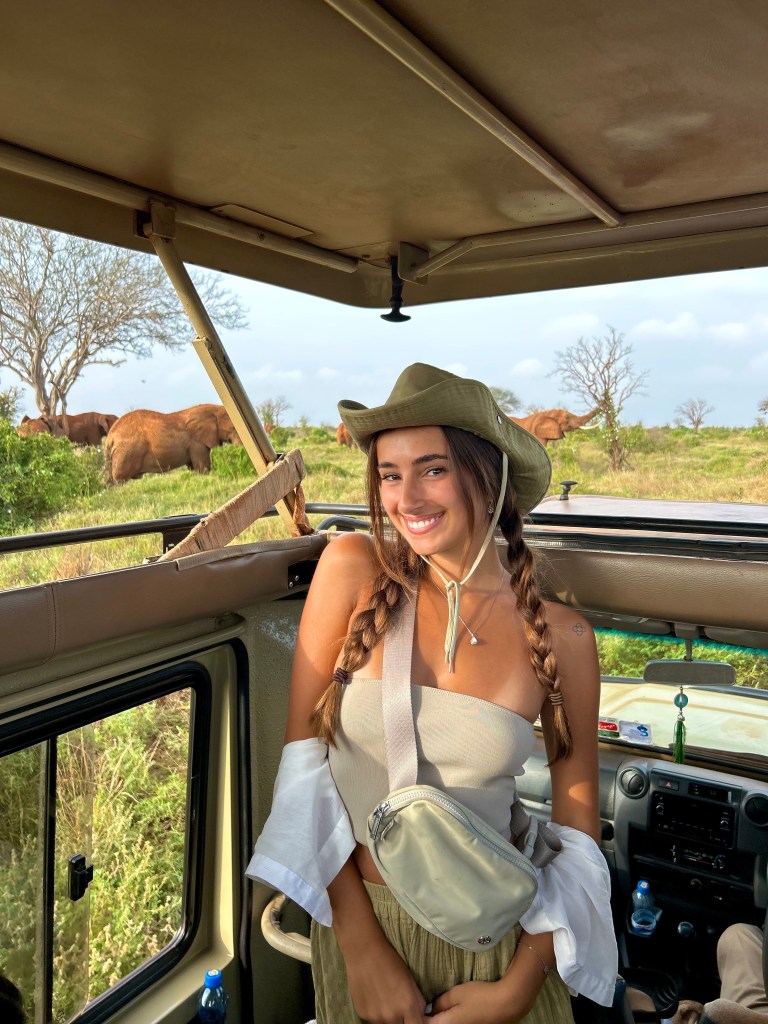
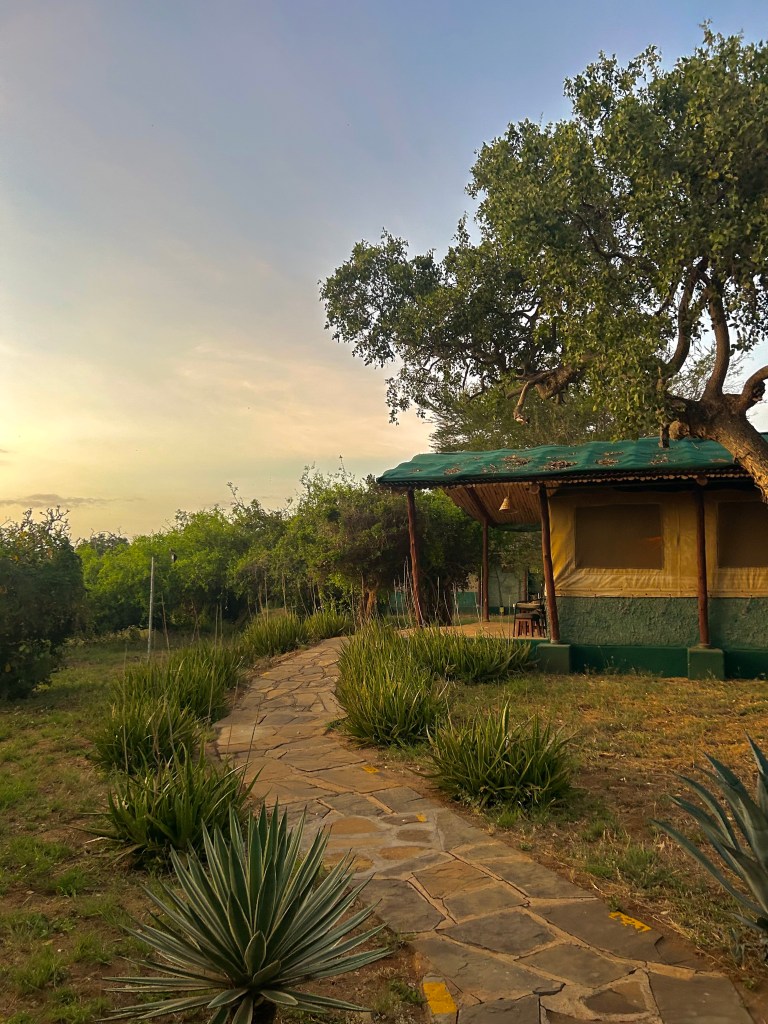
The last field program I booked was a safari in Kenya. We spent two nights glamping in Tsavo East National Park and saw hippos, elephants, zebras, giraffes, and lions. After spending the day on safari, students gathered at the bar at our campground. One night, my peers compared their trust funds, and one of the boys put everyone’s drinks on his (dad’s) tab. It wasn’t uncommon for a student to pay for an AirBnb or a yacht trip for all their friends. (Not my friends, though, so I appreciated the free drink.)
Cyclone Diversion: Adapting to Adversity
Our voyage diverted from Mauritius due to a cyclone, so we spent a long 12 days at sea and added a one-night port in Mozambique. The previous voyage was scheduled to transit the Suez Canal on October 23, but Hamas attacked Israel on October 7, 2023. Nearly every port in their voyage changed, so I was not complaining about our small diversion.
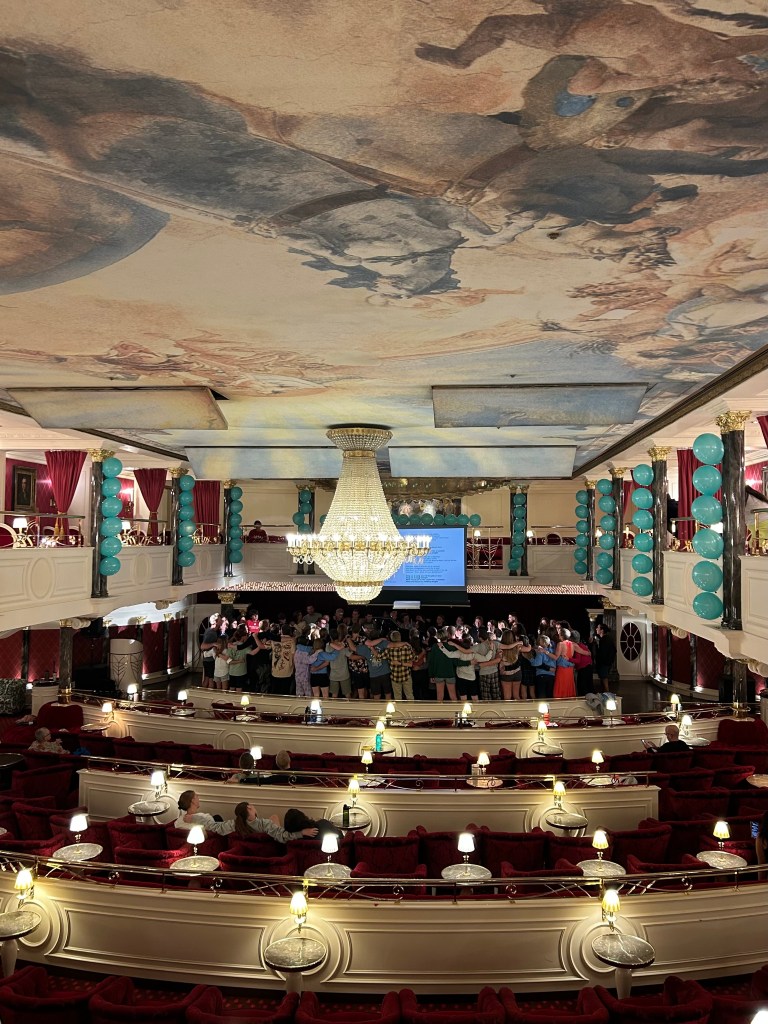
The entire ship was called into the union for the announcement that we would be diverting from Mauritius. Most students expressed their concerns primarily for the people of Mauritius, but a few exclaimed over their own lost plans. “I already booked my yacht!” While others’ struggles should not diminish your own, I think they could have had more tact while literally in the room with the Mauritius inter-port lecturers. Our guests from Mauritius had spent days teaching us about their home country, which was about to be slammed by a cyclone, and they were headed to Mozambique instead of home to be with their community during this terrifying time.
South Africa: International Conflict
On the way to Cape Town, an inter-port lecturer compared Apartheid in South Africa to the conflict in Gaza. In South Africa, this idea is widely accepted, so the reference was intended to help us understand apartheid better. However, on our primarily American ship, many students defended Israel’s actions. The South African lecturer had to issue an apology. Thus began a shipwide conflict that defined the rest of the voyage for many of us.
Pro-Palestine students asked for open discussion and education about the conflict in Gaza, but leadership was more concerned with avoiding controversy. The deans told us that the ship isn’t like a regular college campus with free speech protections. It felt as though other perspectives, including those of a port we visited, were being silenced.
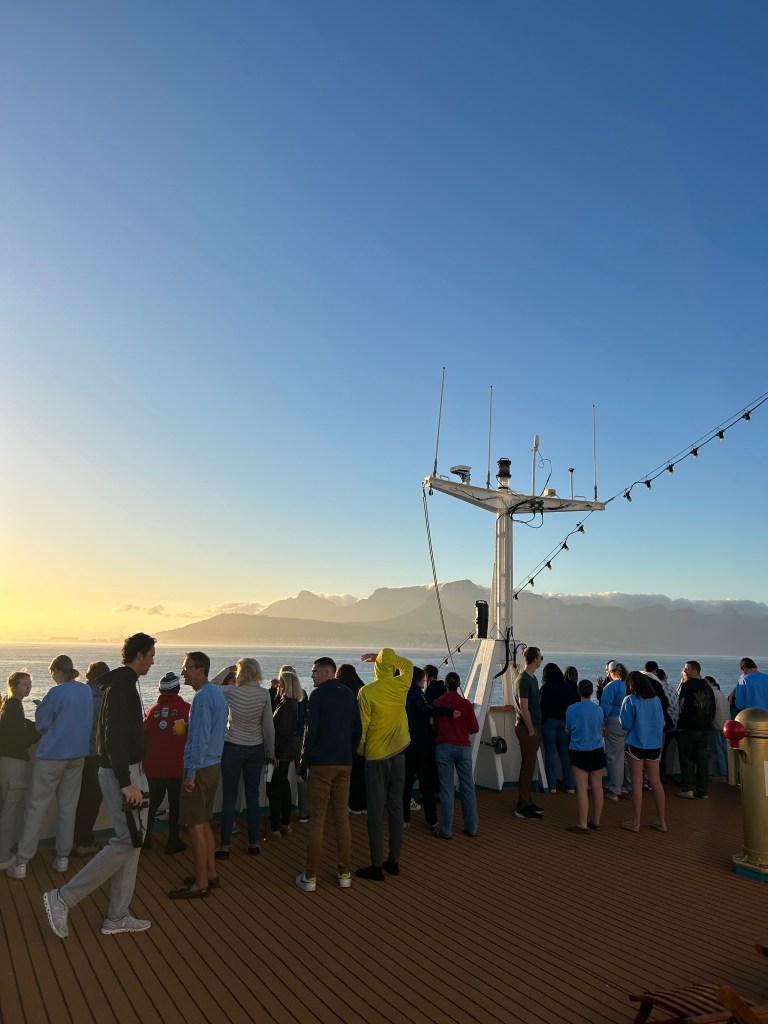
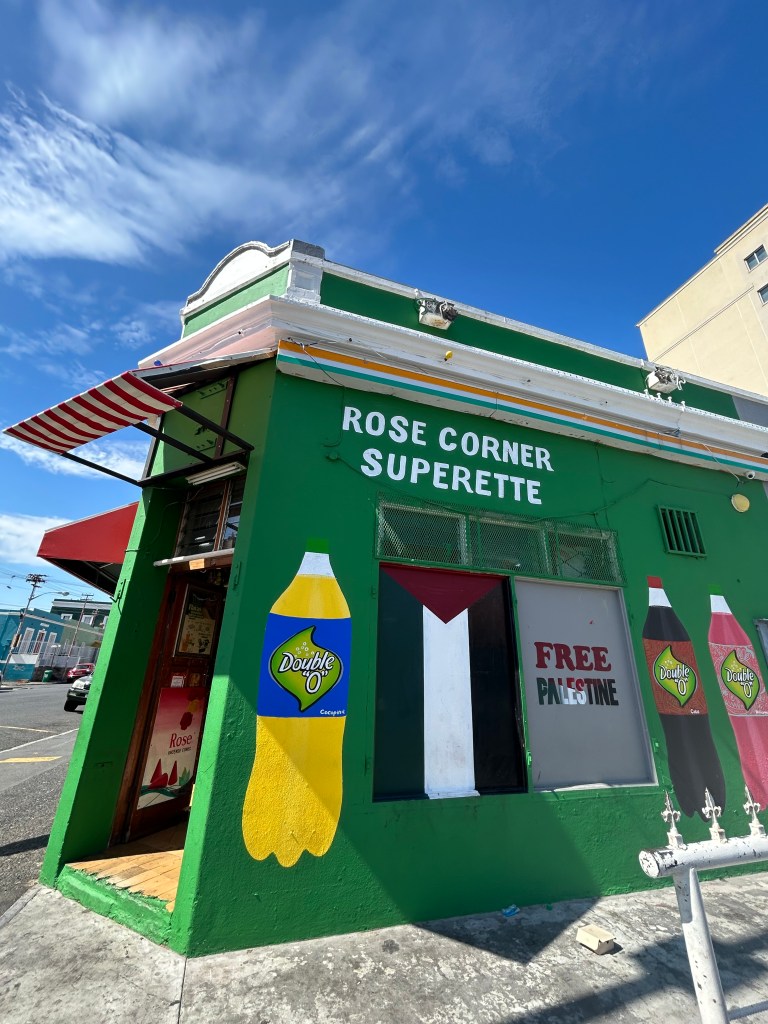
We spent ten wonderful days in South Africa, having added days to make up for lost time in Mauritius. I had my field class for “Beyond Borders,” an English class in which we read about diaspora in our various ports. We visited Lwandle, a township that began as a labor camp for migrant workers during Apartheid.
Ghana: One-Sided Perspectives
After Cape Town, the Israel-Palestine conflict on our ship escalated. Many of the associated incidents are not my story to tell. Students on both sides expressed feeling unwelcome, uncomfortable, and even unsafe. Being on a ship, students were literally trapped in this hostile environment.
Leadership sponsored a few events, but their bias was showing. Professor Mara Karlin, former US Assistant Secretary of Defense for Strategy, Plans, and Capabilities during the Biden administration, hosted a history of the conflict that favored pro-Israel beliefs. Students organized a showing of the documentary Israelism, created by Jewish Americans in support of Palestine, and deans showed up to shut it down.
The minority and international students were the most outspoken pro-Palestinian voices. I don’t want to speak for others’ experiences, but I understood that leadership’s defense of the majority left the minority feeling marginalized.
Lots of students volunteer on field programs in Ghana, but I had problems getting my visa and had to throw my plans together last-minute. I would have liked to volunteer, and I think it’s great that Semester at Sea has spent many voyages working to make a positive impact in Ghana. However, there are issues with voluntourism that Semester at Sea didn’t acknowledge.
I spoke with a friend who attended one of these voluntourism programs. SASers visited a public school and improved the playground. Then, they interrupted a class and “took over” a lesson, but SASers probably should’ve been learning, not “teaching.” I later saw many photos of these children on Instagram, and that didn’t sit right with me. I wish Global Studies had taught students about the negative side of voluntourism and White Savior Complex.
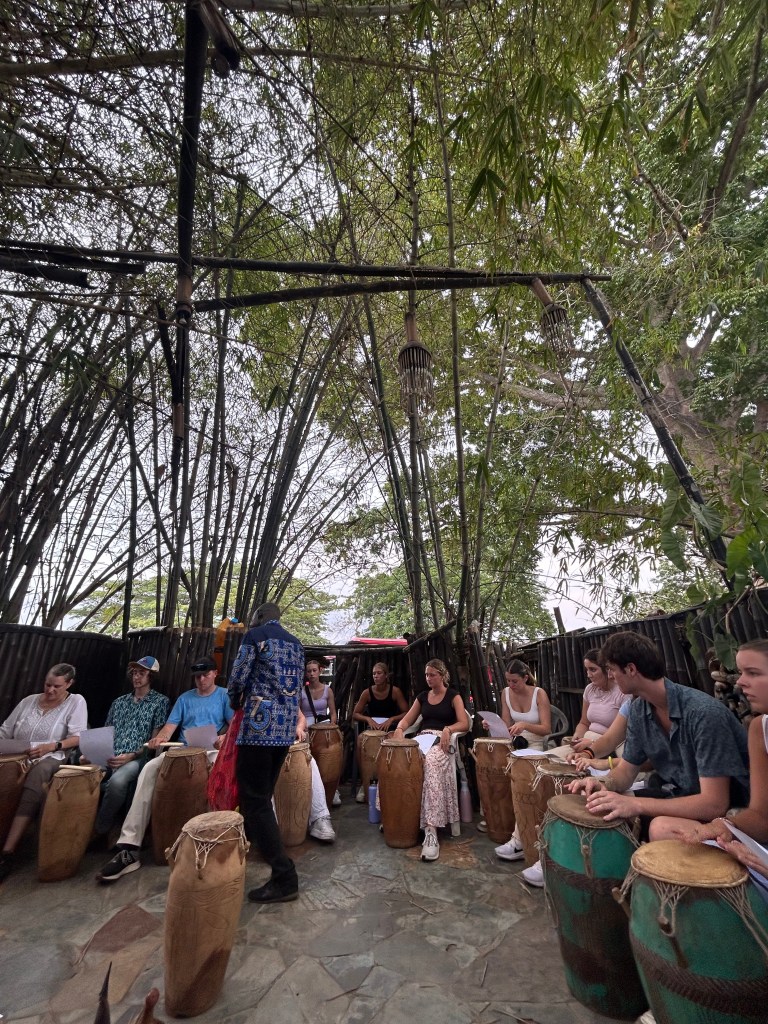
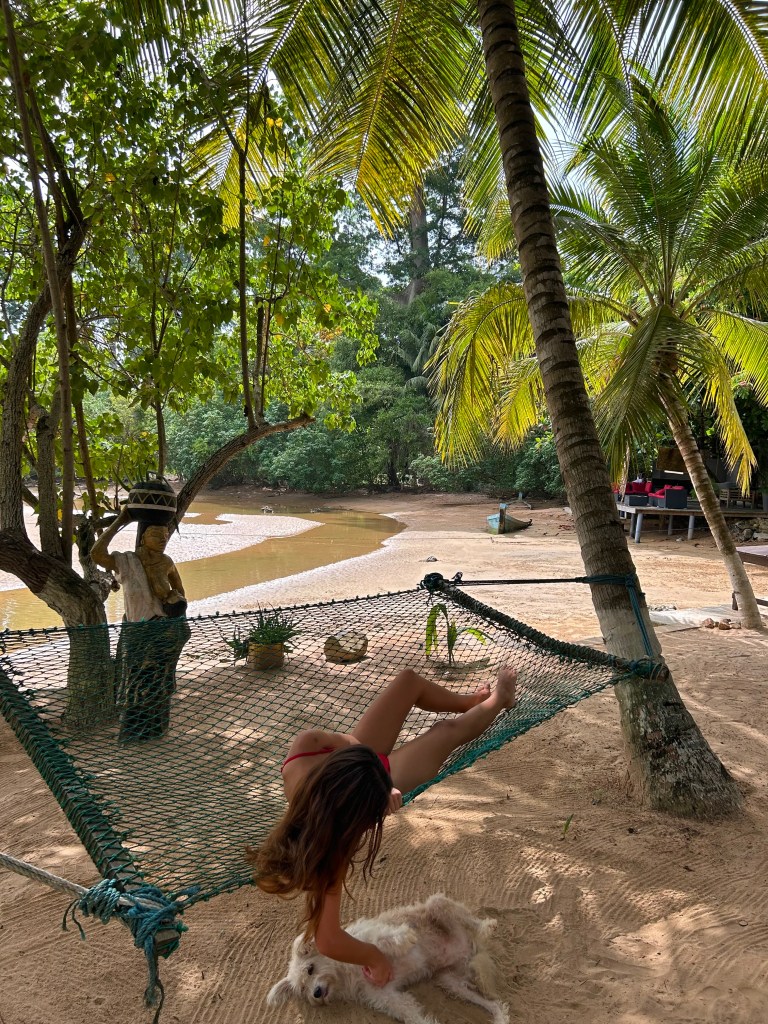
I had a very different experience in Ghana. I visited the University of Ghana for my World Music field class and learned to play drums. The campus was so green and lovely; I fantasized about studying abroad at the University of Ghana. After my field class, I spent a couple nights beach bumming around a surf town. It was just my friend and I traveling together—two young women—and we were pretty nervous. When we arrived to our lodge, we saw a flag with the old Semester at Sea logo in the window and knew we were safe and welcome. A couple of surf instructors took us on a tour of town, and we met kind and friendly people everywhere we turned. We played pool at a bar and chewed on fresh sugar cane.
While I was eating at a delicious restaurant on the University of Ghana campus, my peers on voluntourism programs only saw the hardships of life in Ghana. I think both perspectives are valuable, and I wish our Global Studies professors would have encouraged deeper reflection in our post-port discussion groups.
In my Health and Wellness class, my professor asked, by show of hands, “Who knows someone who was stolen from in South Africa?” Every student raised a hand. “What about Ghana?” Every hand lowered. While Cape Town appears “safer” to most students—more Western and familiar than the cities we visited in Ghana—students are far more likely to be victims of petty crime. My Health and Wellness professor was brilliant, as was my World Music professor.
Morocco: Exploitative Tourism
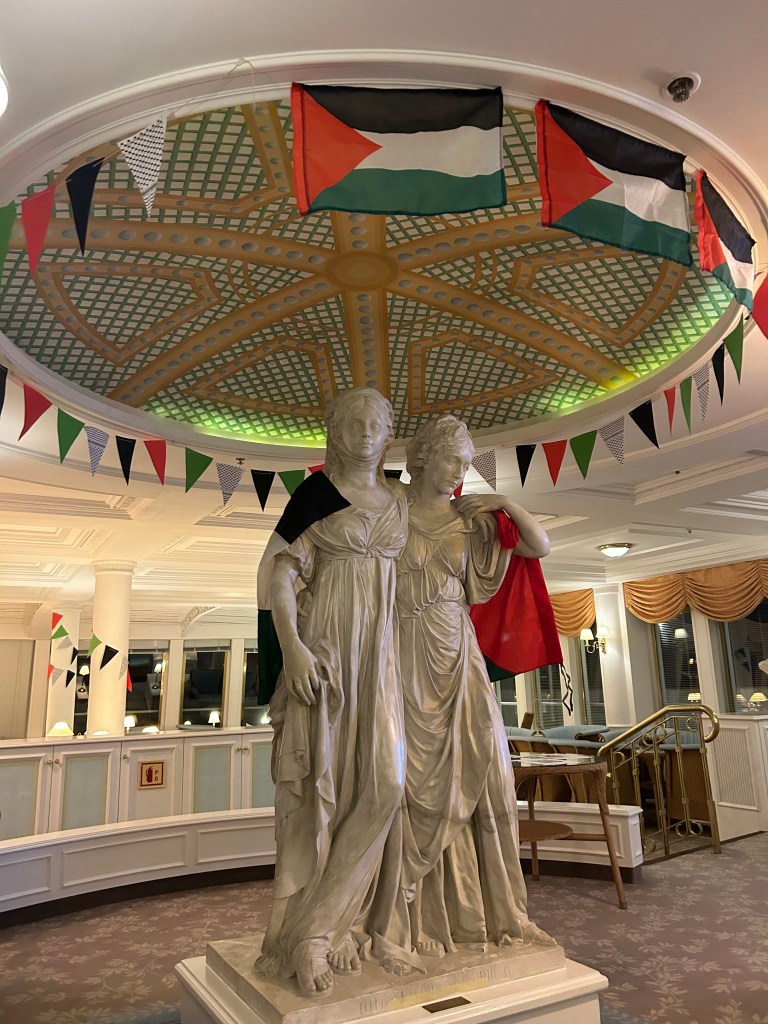
Students formed a Palestinian Solidarity Collective and organized an event celebrating Palestinian culture and resilience. Israel and the conflict were not discussed; international students taught us about Palestinian traditions like weddings and funerals.
I got very sick before arriving in Morocco—deep bodily aches and a tightness in my chest that made it hard to breathe. I went to the ship clinic and took a COVID test, and they determined I was suffering from severe exhaustion. It made sense—I had spent my previous semester abroad in Barcelona, and the summer before that working in Glacier National Park. I’d barely relaxed in the past 12 months.
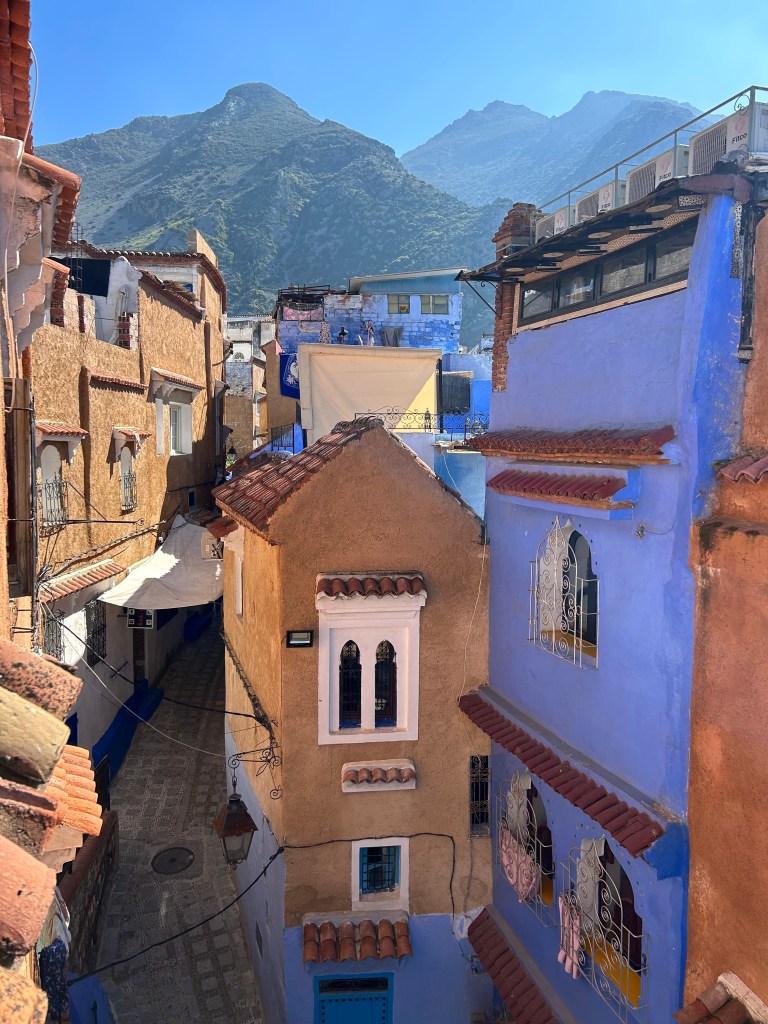
Despite my exhaustion, Morocco was one of my favorite ports. The melting pot of cultures in Morocco is fascinating—our driver from Tangier to Chefchaouen spoke fluent English, Arabic, Spanish, Catalan, and French. It was Ramadan, and our tour guides, bed and breakfast hosts, and taxi drivers were fasting. They cooked for us or offered us dates while they fasted. Strangers invited us into their homes to break fast with them.
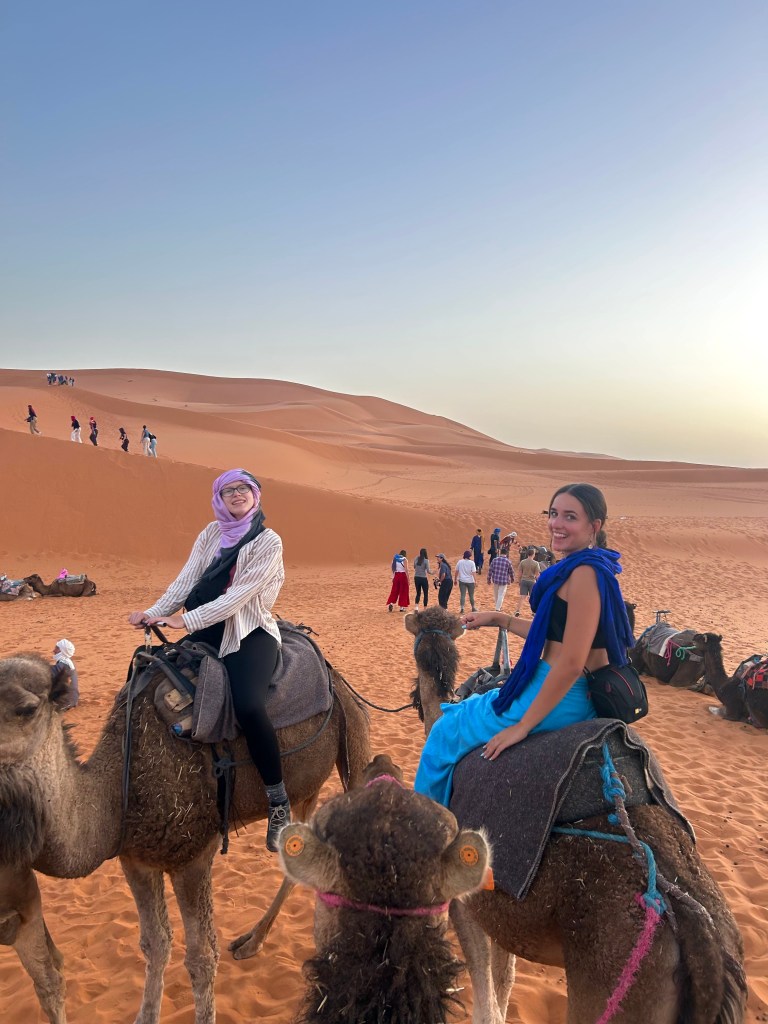
My friends and I booked a tour in the Sahara Desert, and it was clear that the tour company had overbooked SASers. Camels shuttled groups of us into the sand dunes to watch the sunset, and I got the impression that the camels weren’t treated very well. We were sat atop a dune in a large group, and I complained to my friends that it wasn’t the experience I dreamt it would be. We later overheard SASers mocking me through the canvas walls at camp. I suppose I was being ungrateful—tourist gets mad that their tour is touristy. In my defense, I was sick (suffering from exhaustion), and I was left in the Sahara Desert without water.
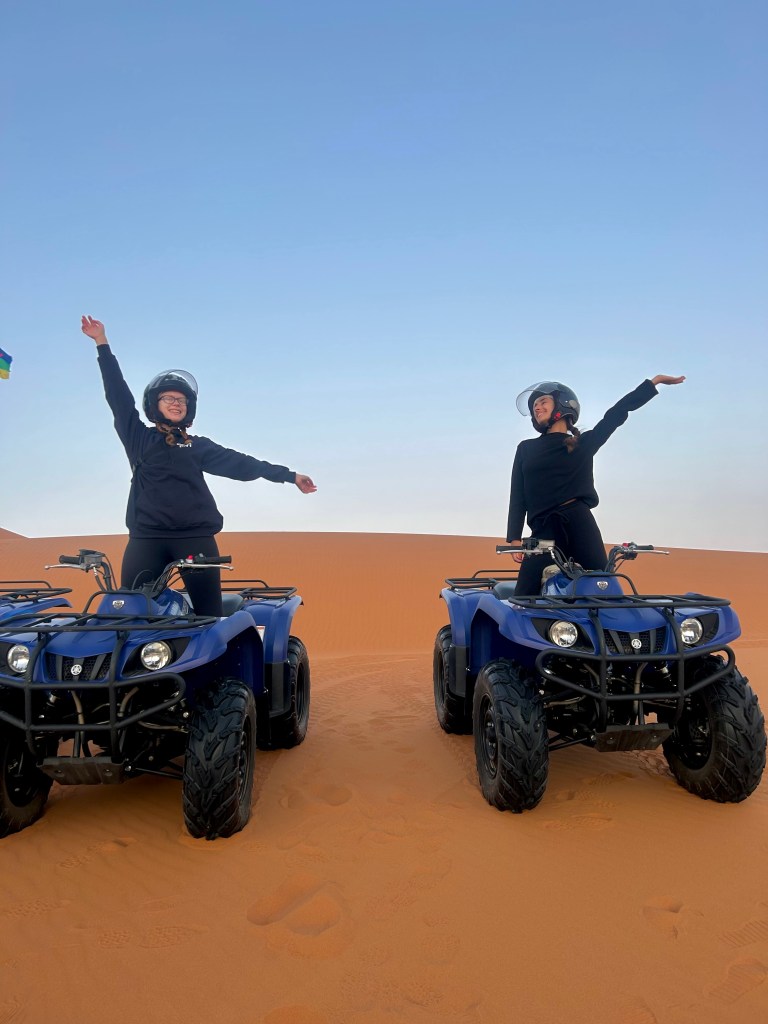
The tour operators offered a sunrise dune buggy ride, and my three friends and I were the only people who signed up. It was incredible; we were all alone out on the dunes, and no camels were harmed in the process.
Portugal & Voyage End
Porto, Portugal was our final port together. I had recently visited Porto during my previous semester abroad, so this port was an opportunity for me to slow down and wander the city without a checklist.
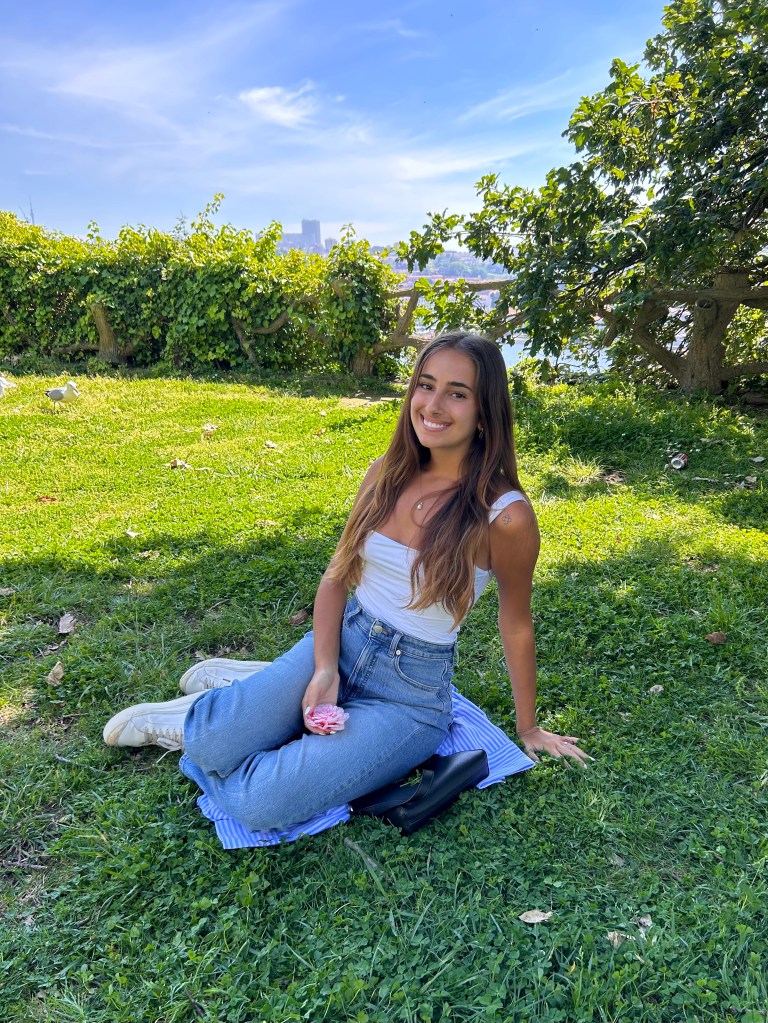
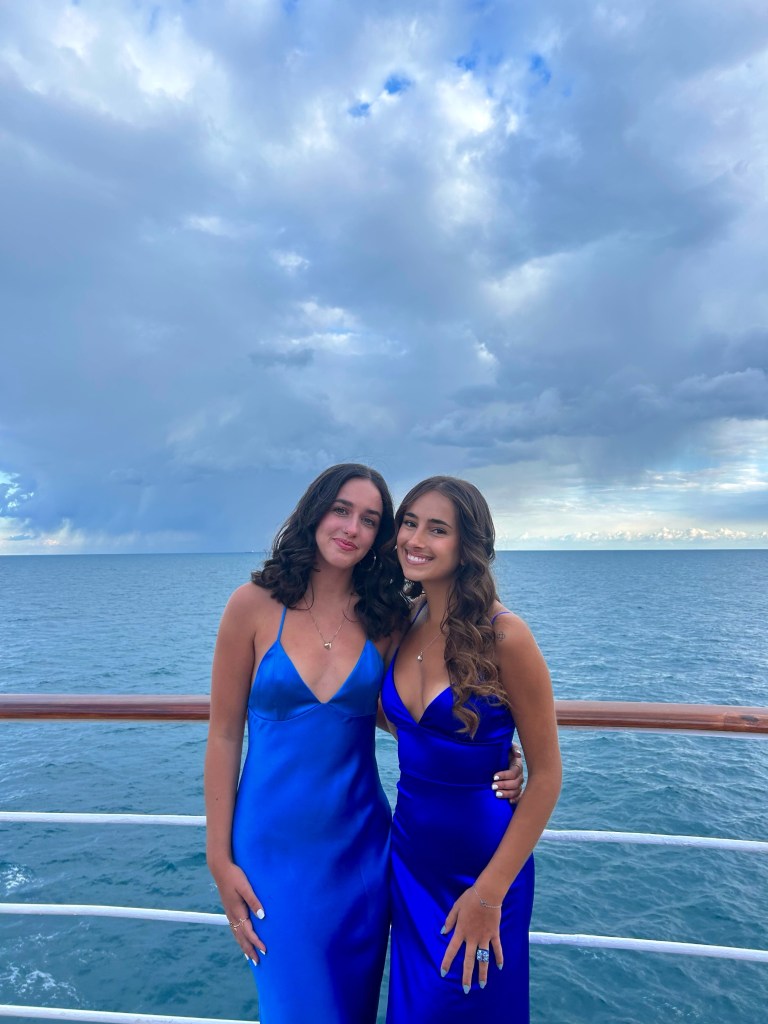
I was still “sick” and ready for the voyage to end. Plus, it got cold as we sailed north, and the ship felt much smaller when I couldn’t lay out on the decks.
On the last sea leg, Semester at Sea hosts a bunch of sessions about processing and using what we’ve experienced on SAS. I attended one about cultural humility, which was so valuable, and another about finding jobs abroad (like the Peace Corps, which my SAS roommate now works with).
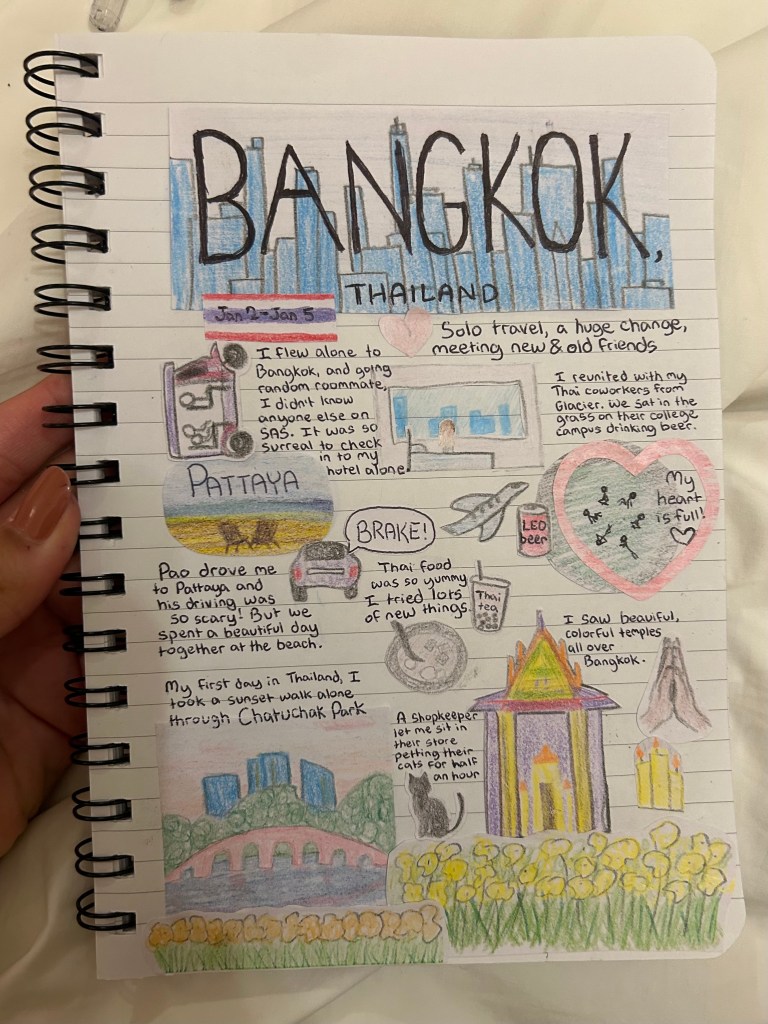
I referenced my voyage journal, which I turned into a scrapbook, to write this. Here are a couple excerpts:
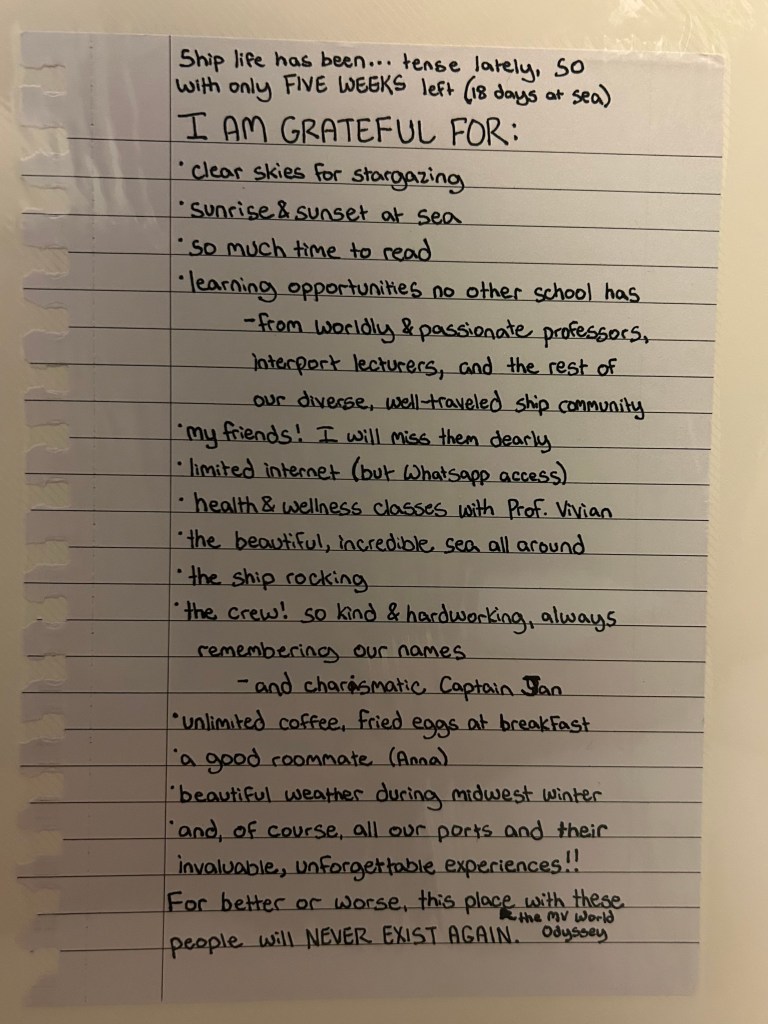
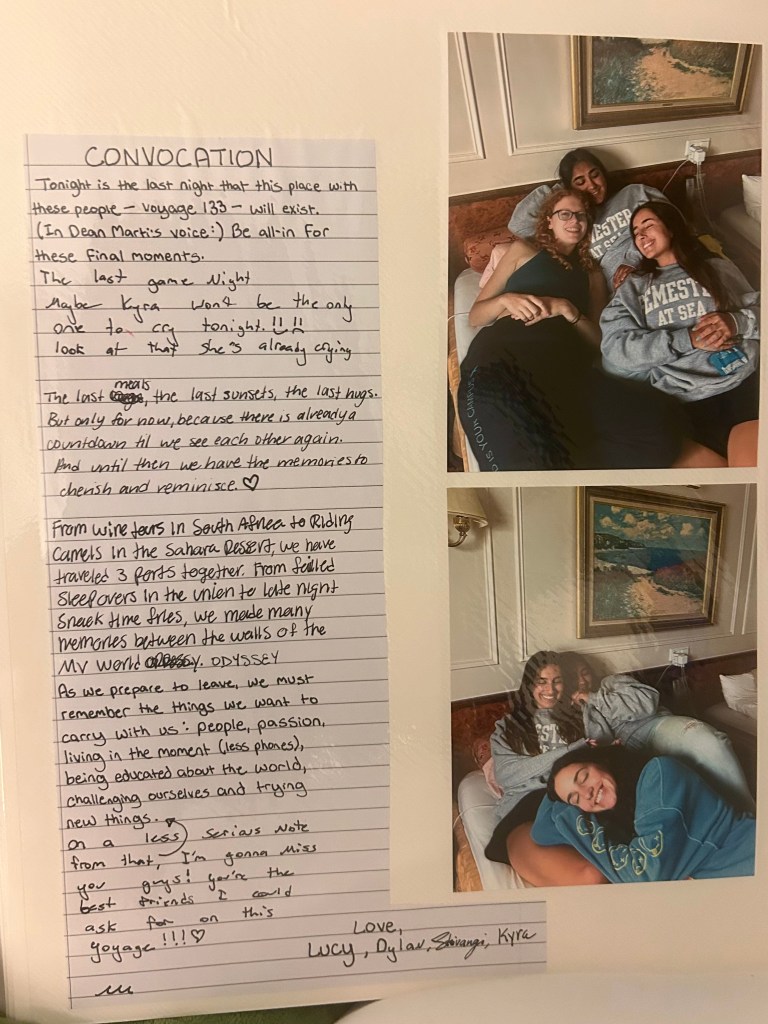
We disembarked in Bremerhaven, Germany, and I took a train straight to the airport. I met my mom in Iceland for a short trip, and my “sickness” resolved itself within 24 hours of being there.
Afterwards
If you’re a student considering Semester at Sea, I don’t want my negative experiences to hold you back from embarking on a life-changing journey. I just think it’s important to share the parts that didn’t make it onto my Instagram feed.
Semester at Sea builds many valuable opportunities into the program, like requiring students to take Global Studies and attend a few field classes in ports, inviting inter-port lecturers, and creating volunteer opportunities. The lack of WiFi on the ship encouraged students to be creative, read books, and just be present. There were many beautiful moments of community and reflection throughout the voyage, and I made wonderful friends who also wanted to learn about the world and become better global citizens.
In my experience, being associated with Semester at Sea was positive in some ports (like Ghana) and negative in others (like Kenya). There were so many incredible students, professors, and lifelong learners on my voyage, and it’s a shame that a handful of bad characters sometimes overshadowed them.
To an extent, you’ll get out of the experience what you put into it, so setting the right intentions is already half the battle. Plus, the program needs students like you to continue making it better.
Today, I work in the study abroad industry, and I completed a professional certification in Sustainable Tourism Destination Management at George Washington University. I’m learning how we can better advise students and design programs that encourage cross-cultural connection. My career is just beginning, but I’m working toward making study abroad more sustainable for both the students and the host communities.


Leave a Reply