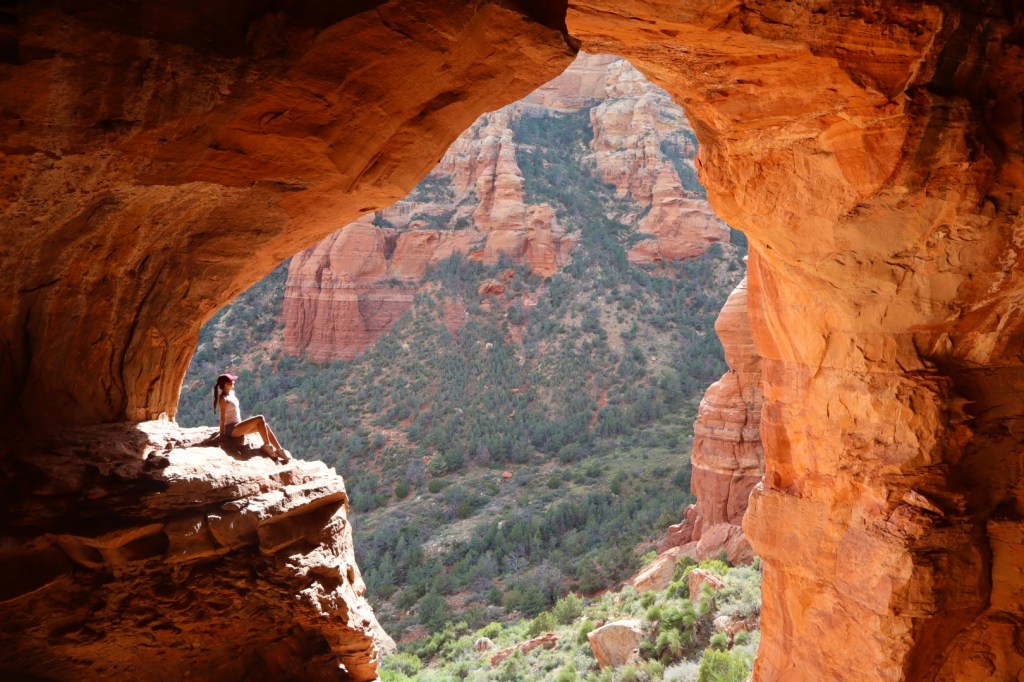
If you’re planning a summer hiking trip to Arizona, don’t! I strongly discourage hiking in the desert during summer, especially if you are from out of state and unfamiliar with desert conditions. However, I understand that people may have their minds set, so I’m aiming to mitigate risk with the following tips for hiking in extreme heat.
I live in Phoenix, so I make many references to Phoenix hikes. See the bottom of this page for details on individual hiking destinations across Arizona, including high elevation regions you should visit during summer.
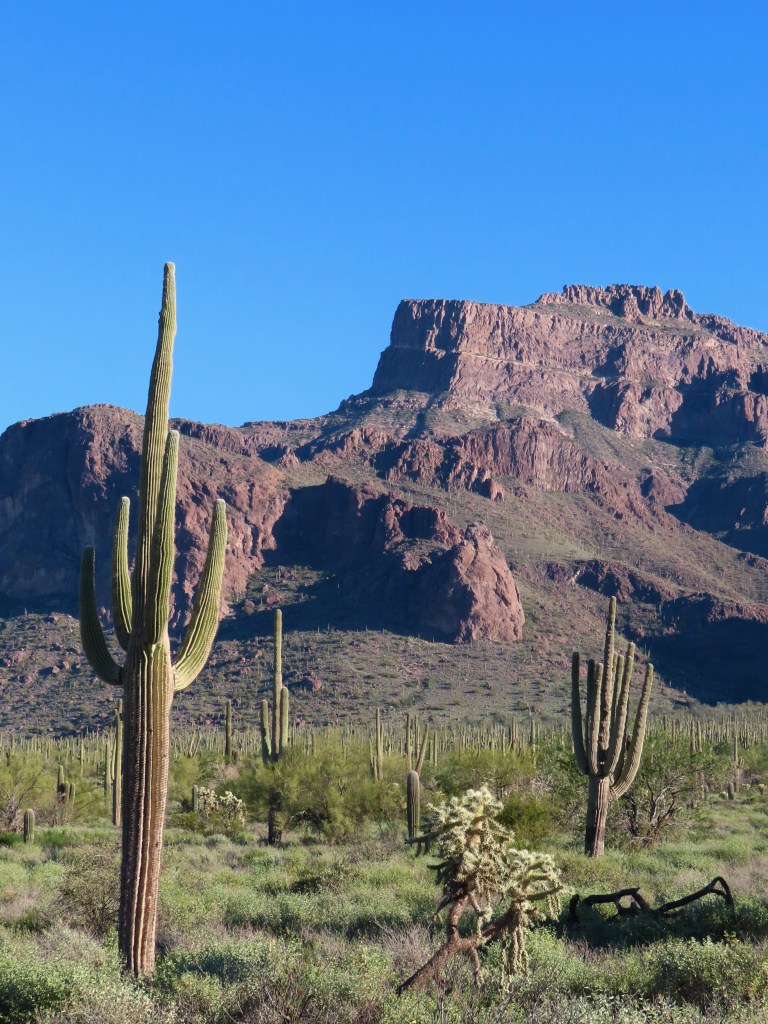
Know your limits.
Determine your own limits by gradually increasing your heat exposure. Start with easy trails or a walk in the park. Even then, experience can only take you so far—humans just aren’t built for extreme desert conditions. Know your body, so you can recognize when it doesn’t feel right.
Know the signs of heatstroke.
Early symptoms include lightheadedness, headaches, and nausea. Listen to your body when hiking in extreme conditions, and know when to turn around!
Hydrate—and don’t forget salt.
Hydration begins before you hit the trail. Prepare your body by hydrating properly in the days before your planned hike. On the trail, carry water, even if it’s only a short hike. Bring more than you think you’ll need—if not for yourself, then for someone else on the trail who might need it. I also recommend keeping electrolytes or salt in your hiking bag, like a liquid IV packet.
Wear sun protection.
Sunscreen, hats, sunglasses, and sun shirts are your desert armor. Even if the sun is low in the sky, sun protection is important. On sunrise hikes, the sun will be beating down on you before you know it.
If sunburn, skin cancer, and premature wrinkling are not reason enough, sun protection also keeps you comfortable. A proper sun shirt feels cooler than exposed skin in the sun. With the absence of trees, desert trails often have no shade at all.
Don’t hike midday.
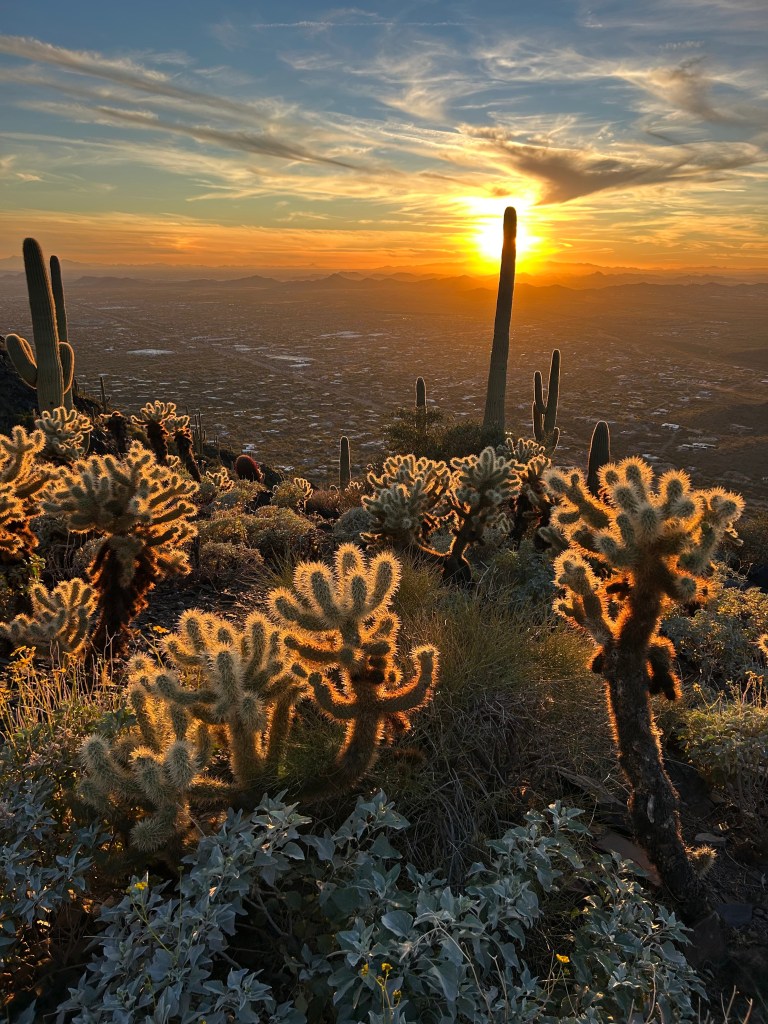
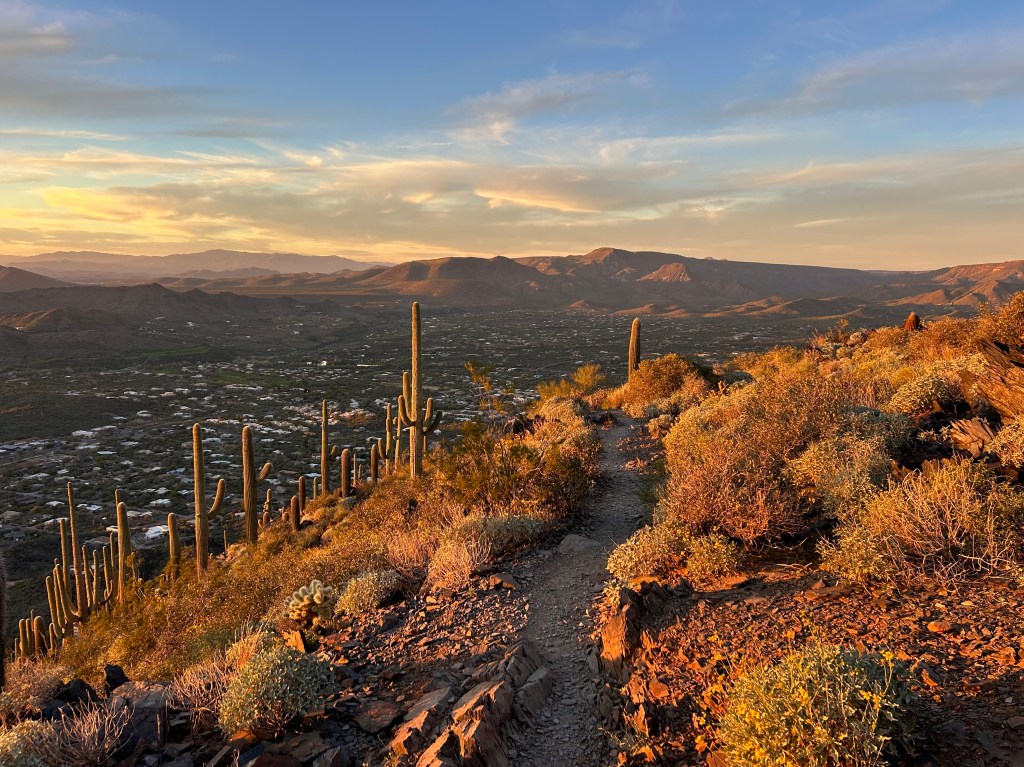
Stay out of the direct sun and midday heat! As an added incentive, desert landscapes are infinitely prettier at sunrise and sunset. The colors are so vibrant.
Pre-dawn is the coolest option. Keep in mind, if you start a hike at dawn, it might be blazing hot by the time you finish. This is especially treacherous if a trail is uphill on the way back, like at the Grand Canyon.
For sunset hikes during hotter months, I usually start at sunset and finish in the dark. Phoenix locals commonly hike after dark, and parks like Phoenix Mountain Preserve extend their summer hours to accommodate night hikes. Bring a headlamp!
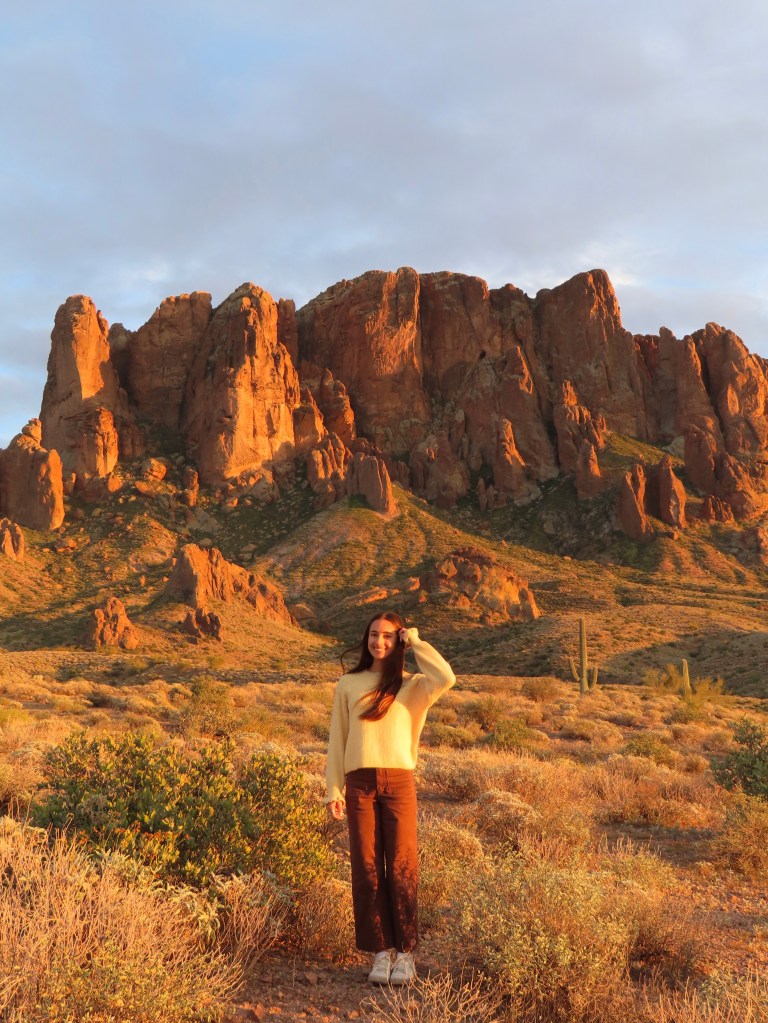
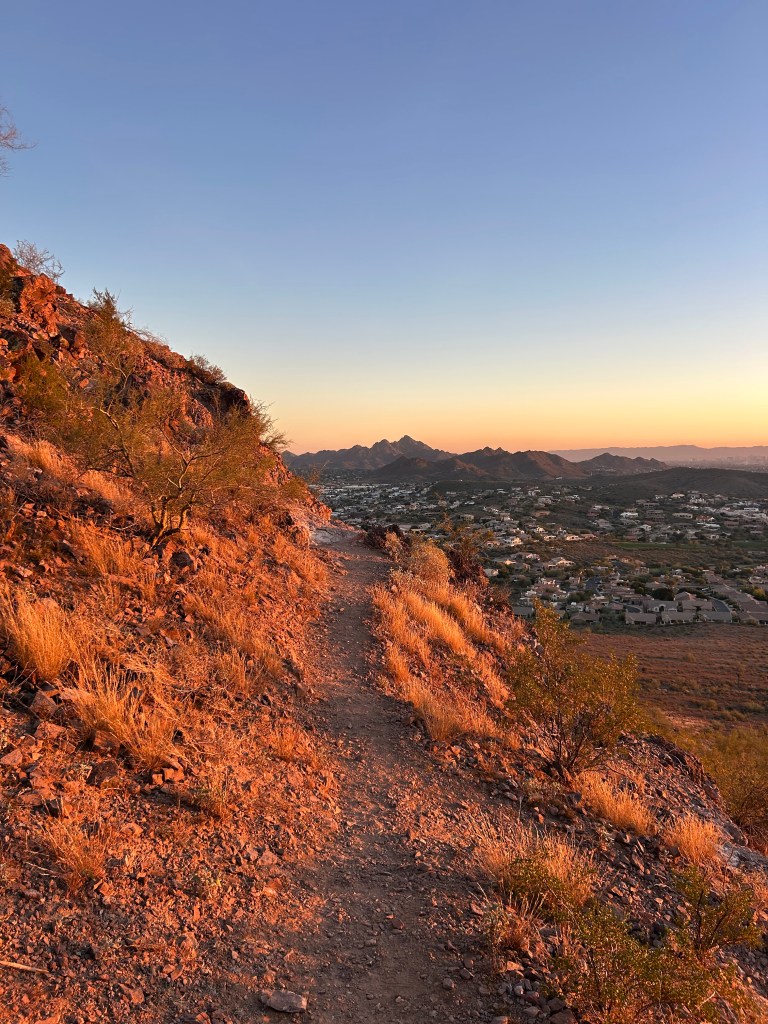
I wrote a guide to the best sunset hikes near Phoenix, trailhead hours considered!
Stay close to civilization.
Hike in areas with cell service and quick access to emergency services. On popular hikes, a passing hiker can spare a hand or water. As a Phoenix local, there are so many great hikes close to town—it’s just not worth the risk to go somewhere remote. Plus, extreme heat can cause various car problems, and you might find yourself stranded in the desert.
Summer Temperatures by Region:
Phoenix, Tucson, and Saguaro National Park: These destinations are in the low Sonoran Desert and are the hottest places in Arizona. “Summer” here lasts from May-September, with many consecutive days over 100°F / 38°C.
Grand Canyon National Park: Hikers should be prepared for extreme heat during summer. The canyon rims are higher elevation, especially the North Rim, and temperatures are “cool,” relative to Arizona. However, as you descend into the canyon, temperatures rise.
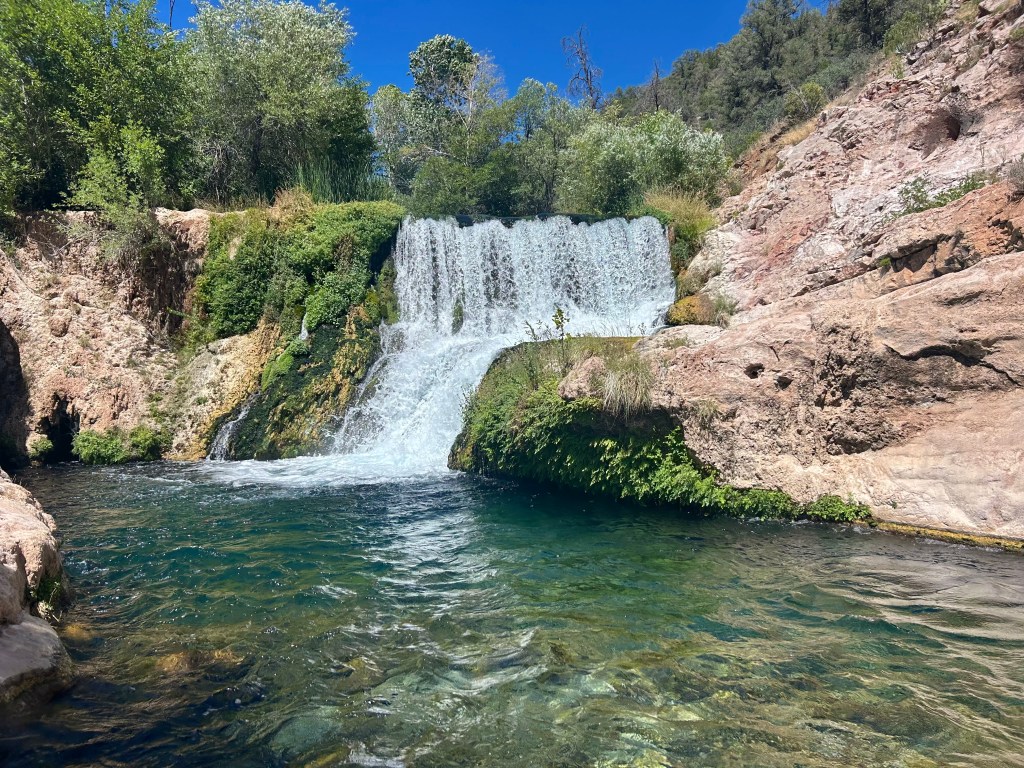
Sedona: Sedona is in the high desert, so expect daytime temperatures in the 90s (~32 – 37°C) from June-August. That is still very hot to be out hiking in the sun. In my opinion, summer in Sedona is ideal for an early morning hike and an afternoon at a swimming hole.
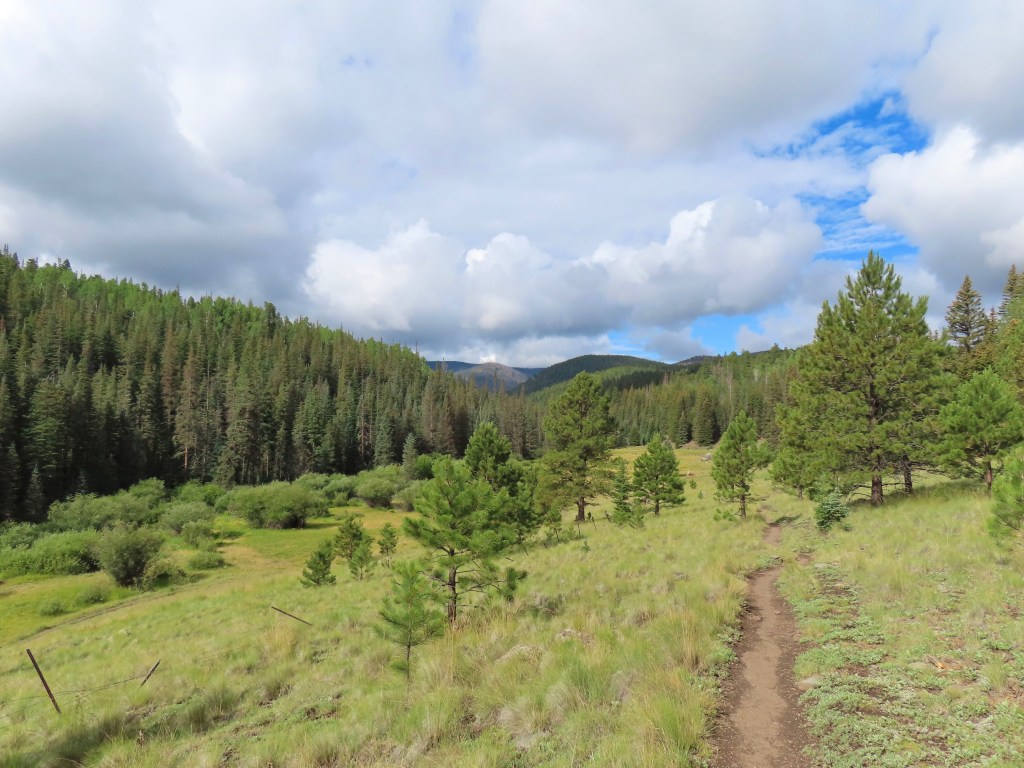
Flagstaff and the White Mountains: The San Francisco Peaks and the White Mountains are Arizona’s highest mountain ranges. The high elevation makes them ideal for summer hiking. Spend a weekend in the White Mountains.
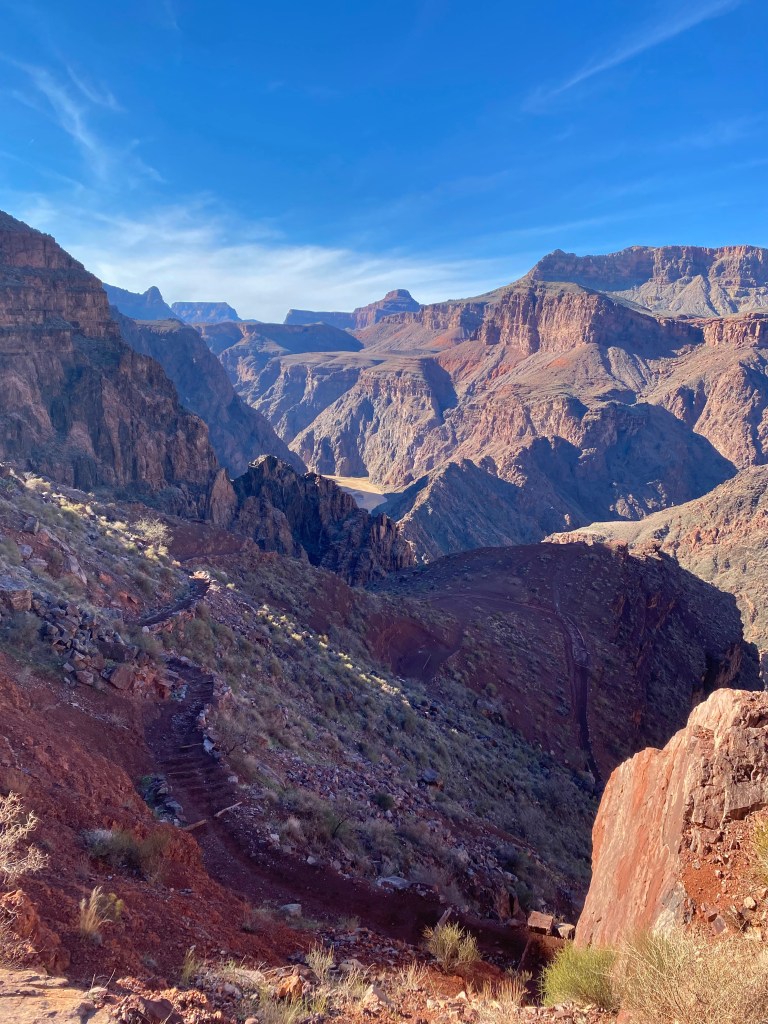
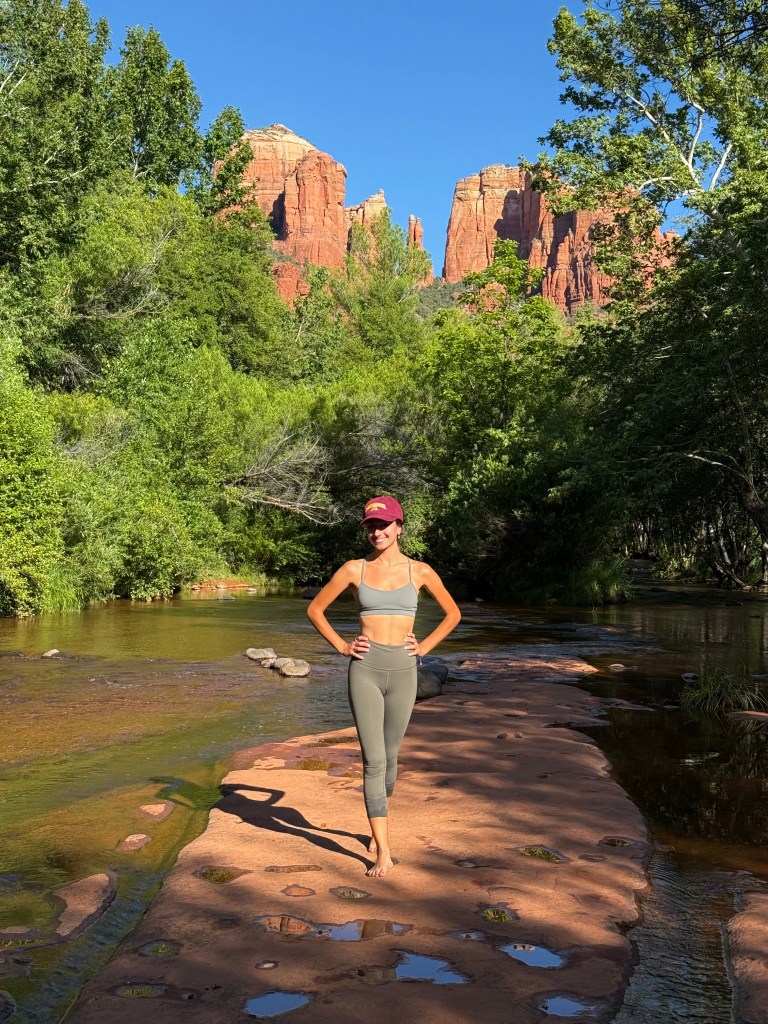
As a Phoenix local, I hiked in Arizona all summer. In desert regions, I hiked in early mornings or after dark. I hiked to swimming holes and took trips to Flagstaff and the White Mountains. Read about summer adventures in Arizona.


Leave a Reply