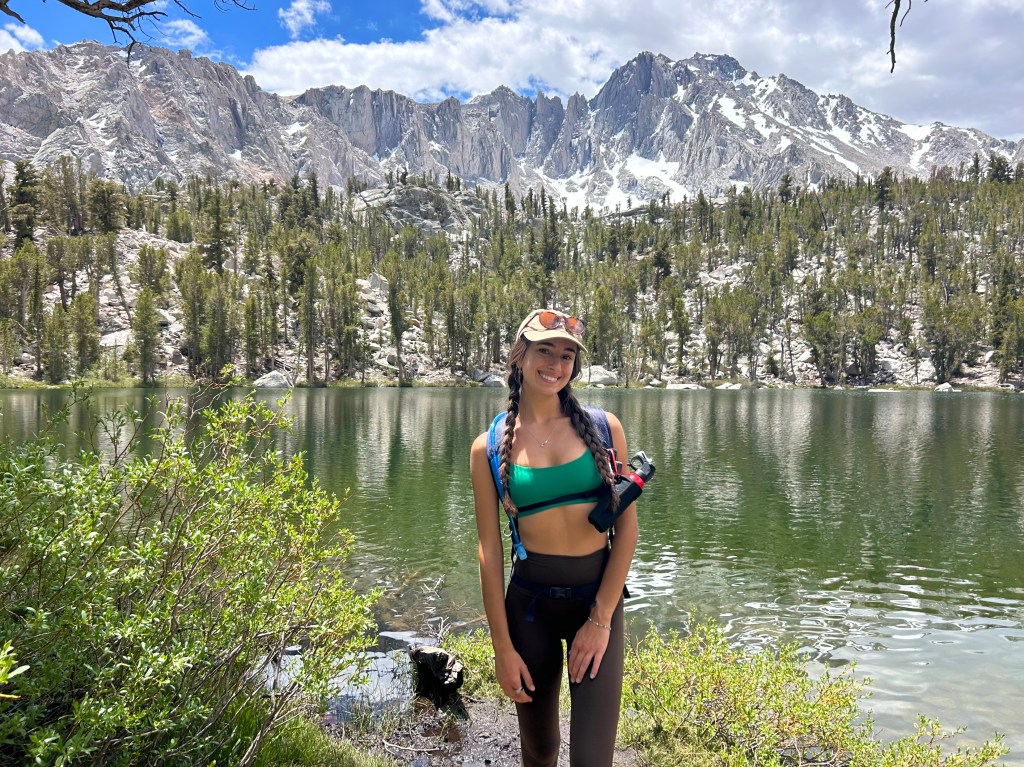
From one “travel influencer” to another, our content has consequences. Before hitting post, ask yourself: Does this encourage meaningful interaction with the destination? How will this impact the locals? What are the potential environmental consequences? Does this follow the guidance and regulations set by tourism experts?
I’ve compiled some common posts I see that don’t align with my values as a creator. In an effort to reduce my negative impact, you will not find the following on my blog or social media pages:
- How to bypass permit/reservation fees
- Geotagging Sensitive, Unprotected Sites
- “Instagrammable” Viewpoints
If you see one of these posts and feel compelled to comment, please lead with kindness. I seek to educate, not attack, influencers who may not be aware of the negative impacts their content can have.
How to bypass permit/reservation fees
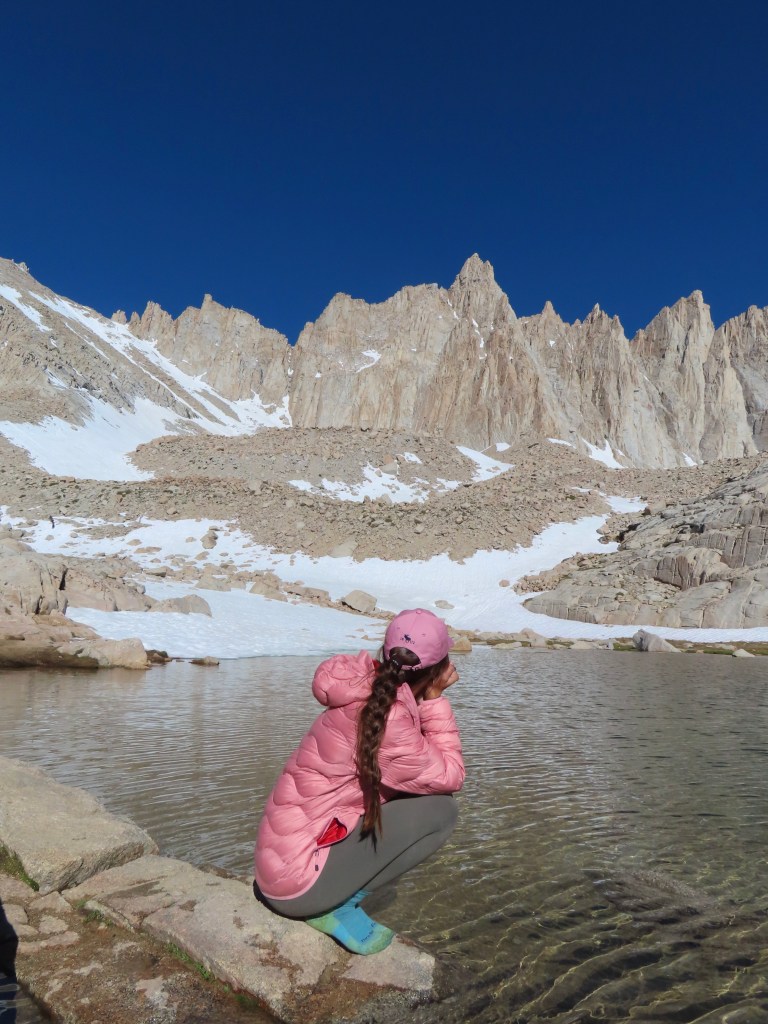
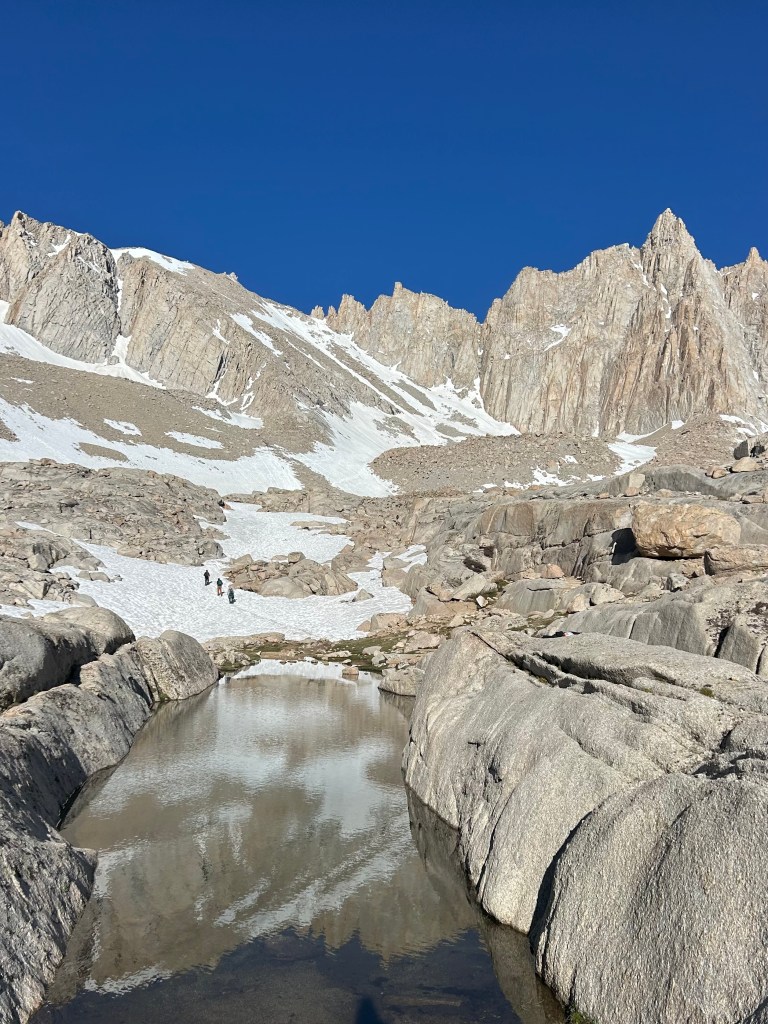
“If you didn’t get a permit for Mount Whitney, this is how you can evade the park rangers!”
Reducing traffic on trails protects fragile natural environments and provides a safer, more scenic experience for hikers. Permit/reservation fees are typically used to fund the destination: park rangers, trail and facility maintenance, etc.
Regulations in national parks have not been well-enforced since the Trump administration cut National Park Service funding and laid off 1,000 NPS employees in 2025. As visitors, we need to be especially diligent in protecting our parks.
On my pages, you will find advice for navigating permit systems with respect for the rules, such as realistic expectations for visiting during off-season when permits may not be required.
Geotagging Sensitive, Unprotected Sites
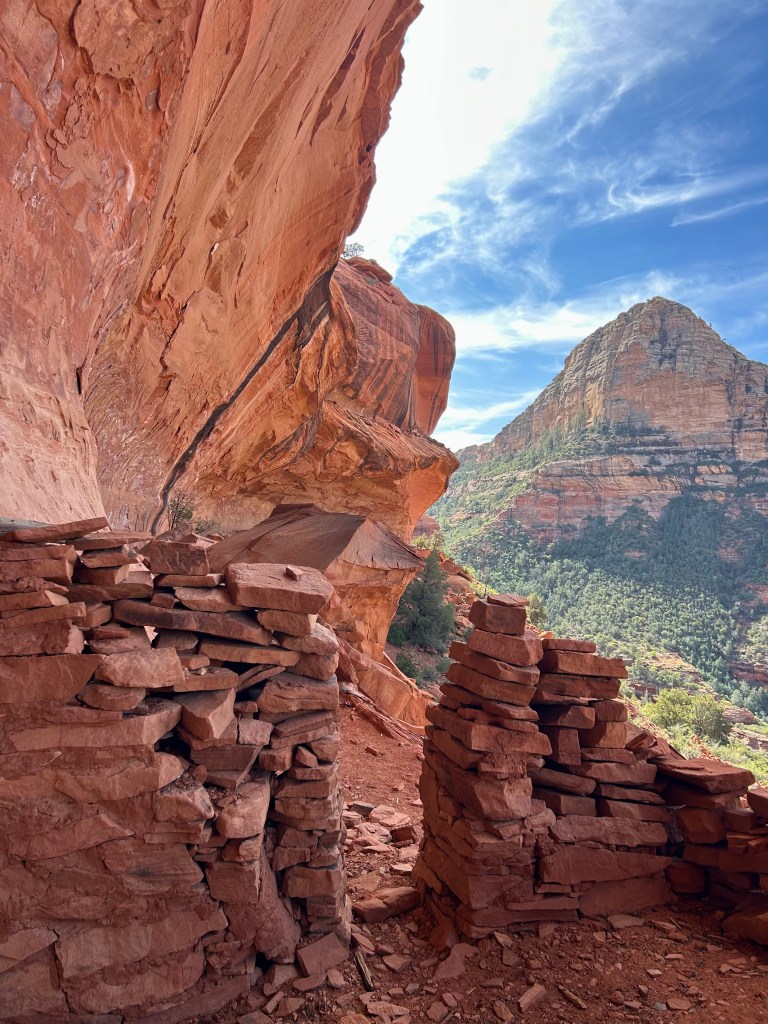
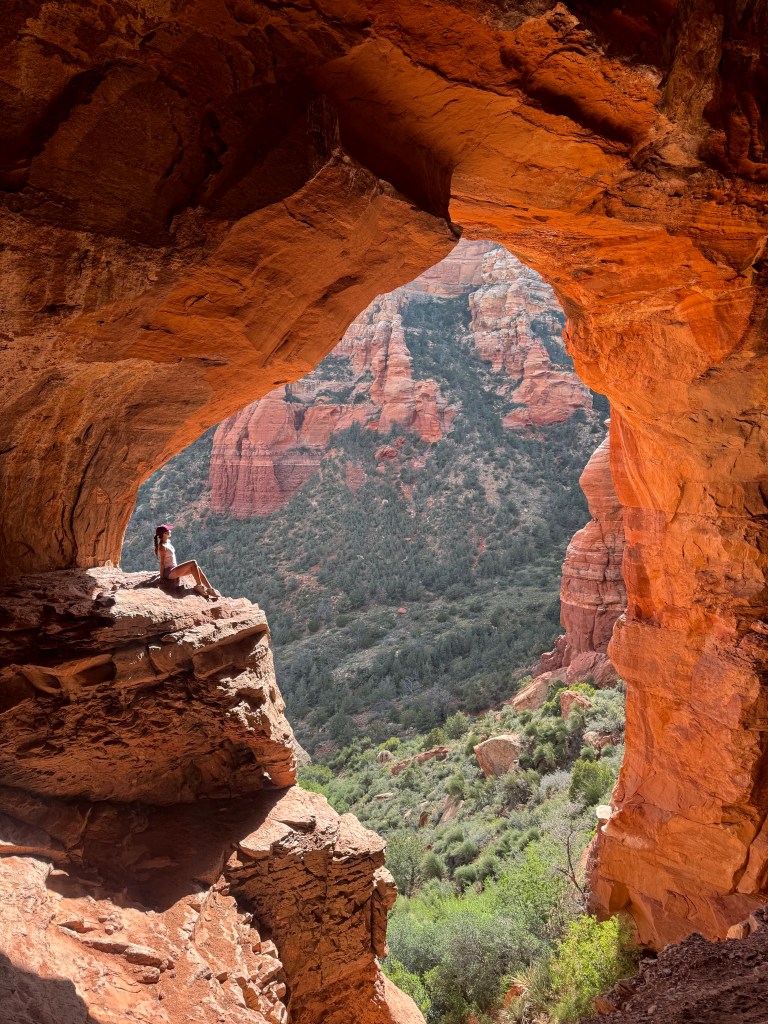
“Where to find secret cliff dwelling ruins in Sedona”
If a destination doesn’t have the infrastructure to support tourism, don’t promote it online. This is especially important in nature, as unmaintained areas are fragile and inaccessible for some visitors. Without proper guidance, such as an established hiking trail, visitors will damage sensitive environments like alpine meadows or archaeological ruins. If hikers get lost or injured because the terrain isn’t suitable for all experience levels, there may not be adequate resources to conduct rescue operations. If locals can’t manage the tourism, they might just put up a fence.
The truth is, some places should remain “local secrets” or “hidden gems.” Travel is more meaningful when you connect with locals and create your own adventures.
On my pages, I highlight less popular *established* recreation sites for unique experiences that are still sustainable. As an added bonus, this helps disperse crowds at sites that have been “loved” to death.
“Instagrammable” Viewpoints
“This waterfall is the most Instagrammable place in Glacier National Park!”
One of my biggest pet peeves is when influencers promote places as “Instagrammable” spots. I wholly understand the desire to curate the perfect Instagram post on vacation, but it’s irresponsible to reduce a place to a photoshoot backdrop. We should encourage visitors to respect nature and interact meaningfully with the destination.
A strenuous hike should not be marketed as a “photo op.” Set realistic expectations, so visitors arrive prepared.
On my pages, I show the reality of a destination and include relevant details.


I’ve completed a certification on Sustainable Tourism Destination Management with George Washington University, but I still have much to learn. I would love to start a discussion on this topic, so please drop your suggestions/resources in the comments!


Leave a Reply