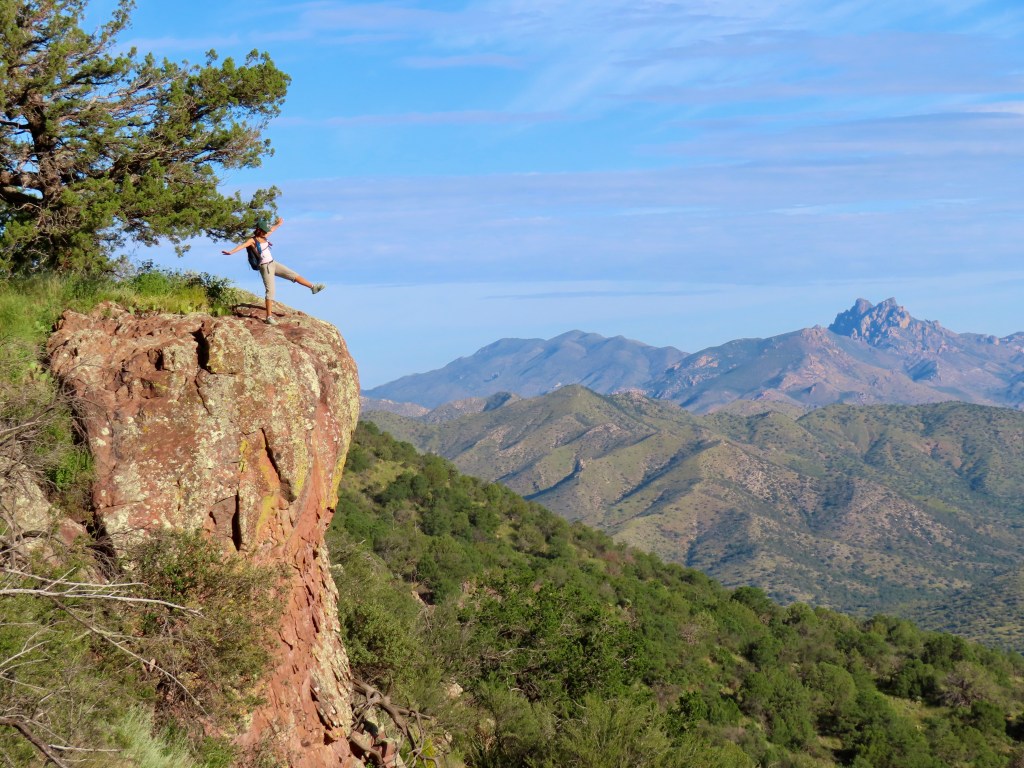
Arizona has thousands of mountain peaks across many mountain ranges. It’s exhilarating to conquer a new peak or high point, which is why so many hikers are “peak baggers.” This is a compilation of the best peaks to hike in Arizona.
If you live in the Phoenix area, discover more peaks on my list of the best Phoenix hikes.
Humphreys Peak
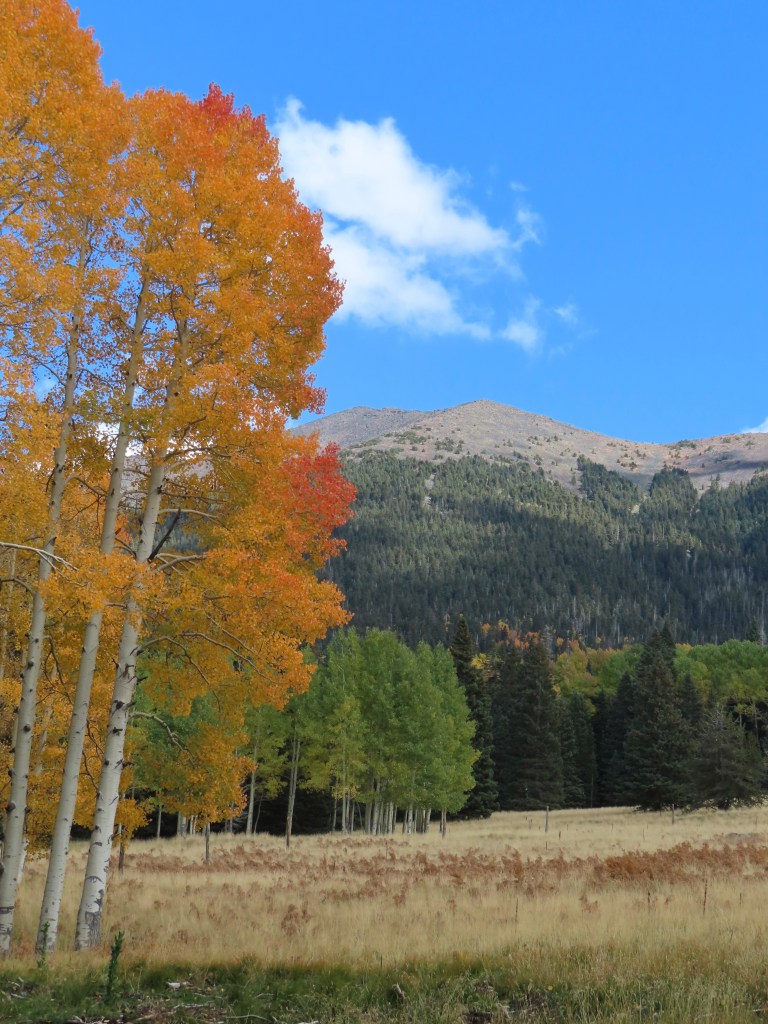

10 miles, 3300 ft elevation
Humphreys Peak is the highest peak in Arizona. The route is non-technical, just a long walk up a big hill. If you’re not used to hiking at elevation, prepare your body by hydrating the day prior and getting a good night’s sleep. The peak is around 12,600 ft elevation!
This peak is best hiked during summer, as it’s snowy most of the year. Summer in the mountains brings afternoon thunderstorms, so aim to summit in the morning and be back below the tree line by noon. If Humphreys Peak is your first alpine summit, read my guide to hiking and mountains for beginners.
Flatiron


5.5 miles, 2600 ft elevation
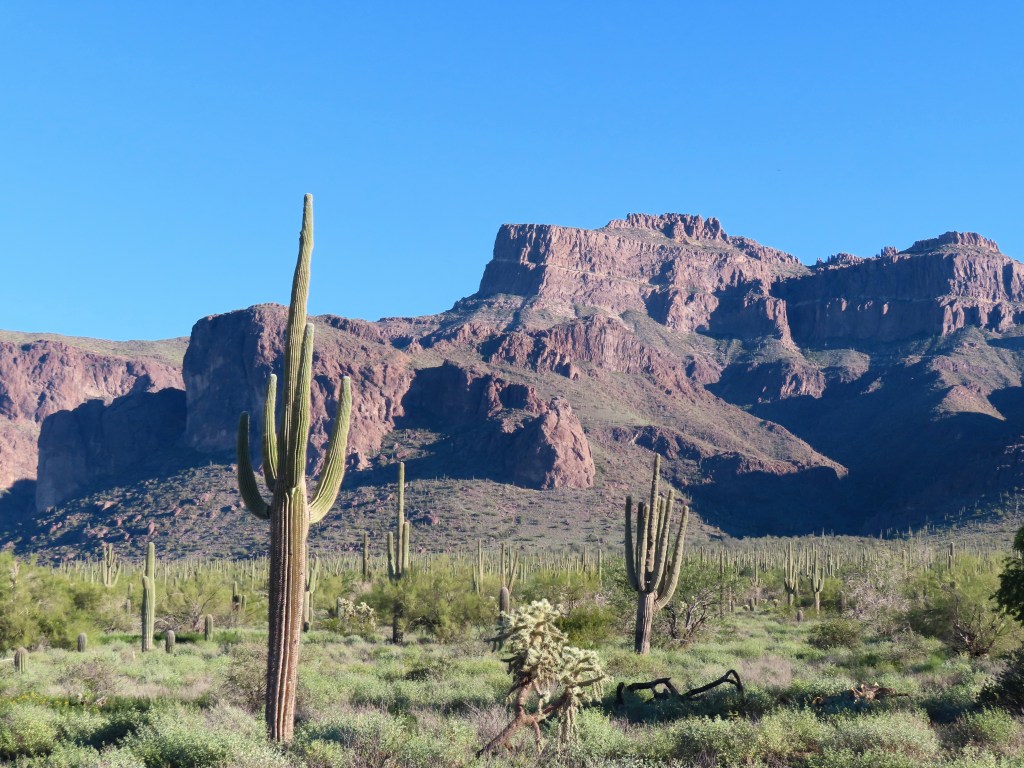
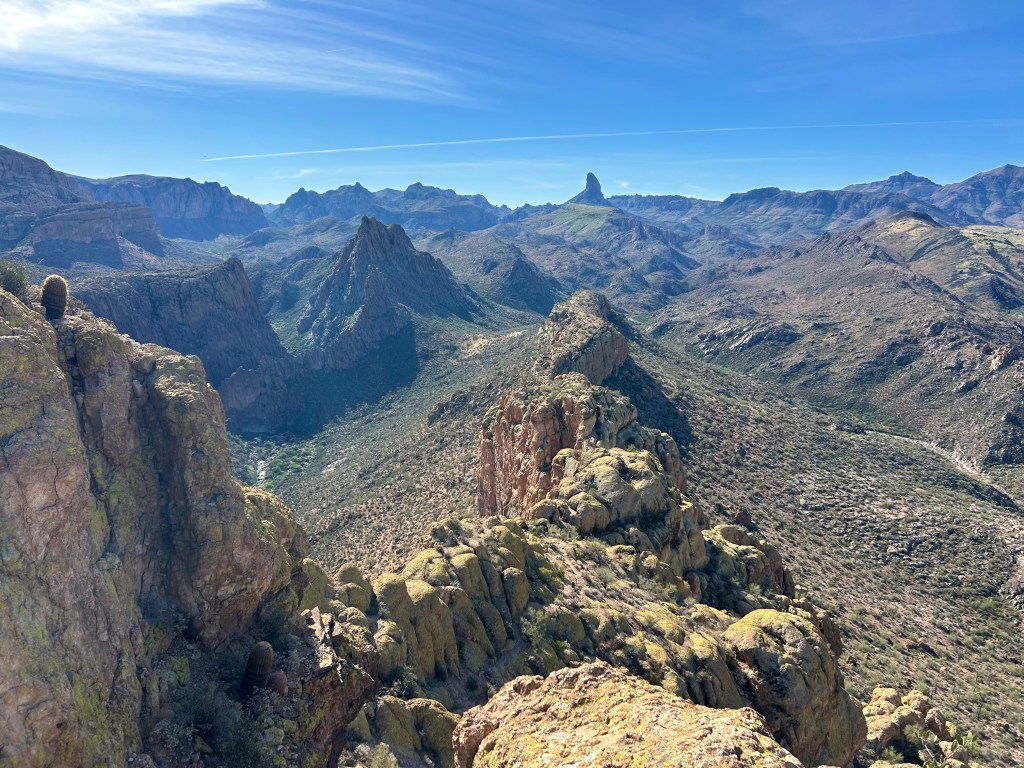
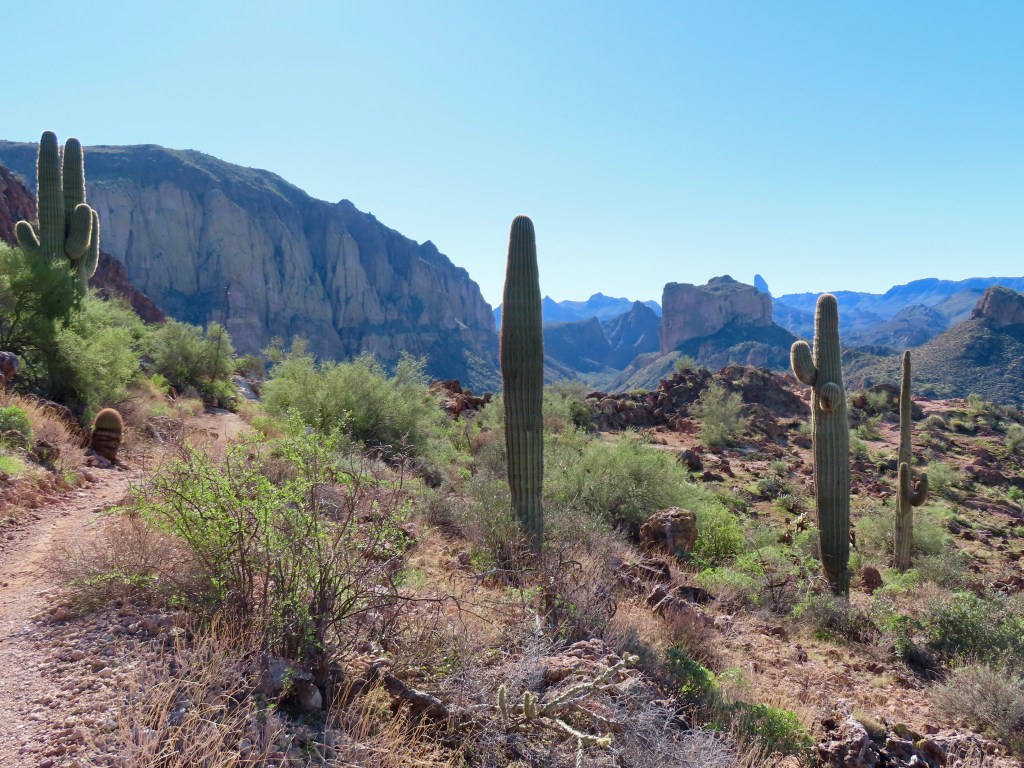
Flatiron is the most iconic peak in the Superstitions, so the trail stays moderately busy despite being difficult. It’s my idea of a good time—lots of scrambling.
Flatiron is in the Sonoran Desert, so summers are dangerously hot for hiking. This peak is best hiked during cooler months.
Wilson Mountain
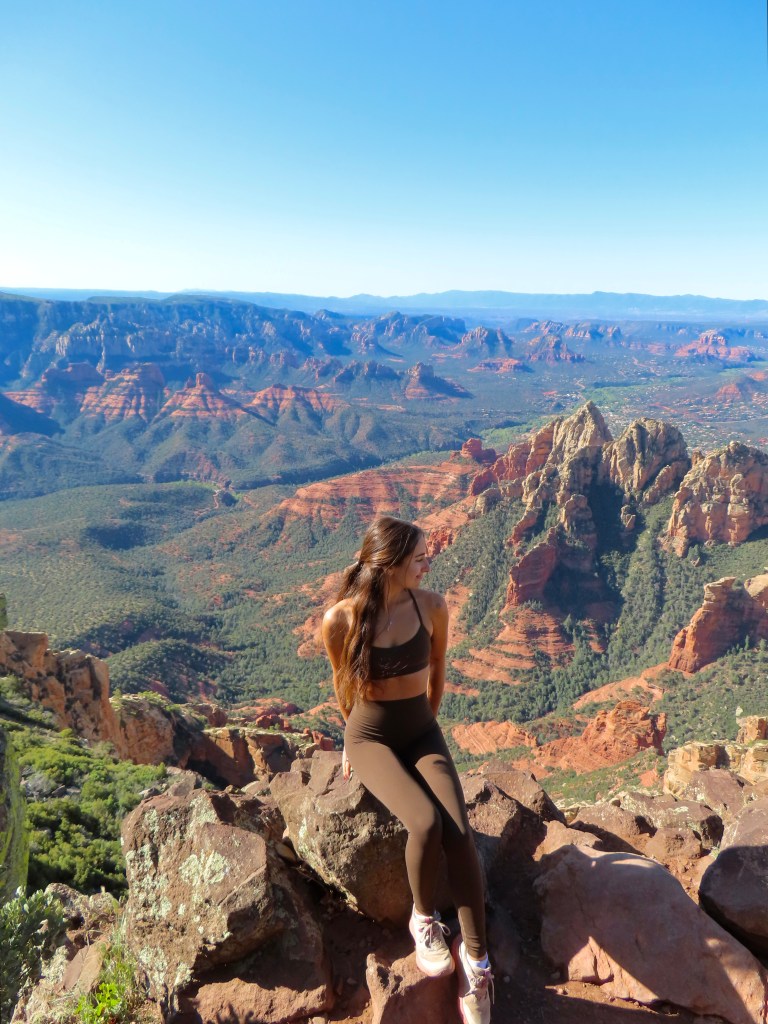
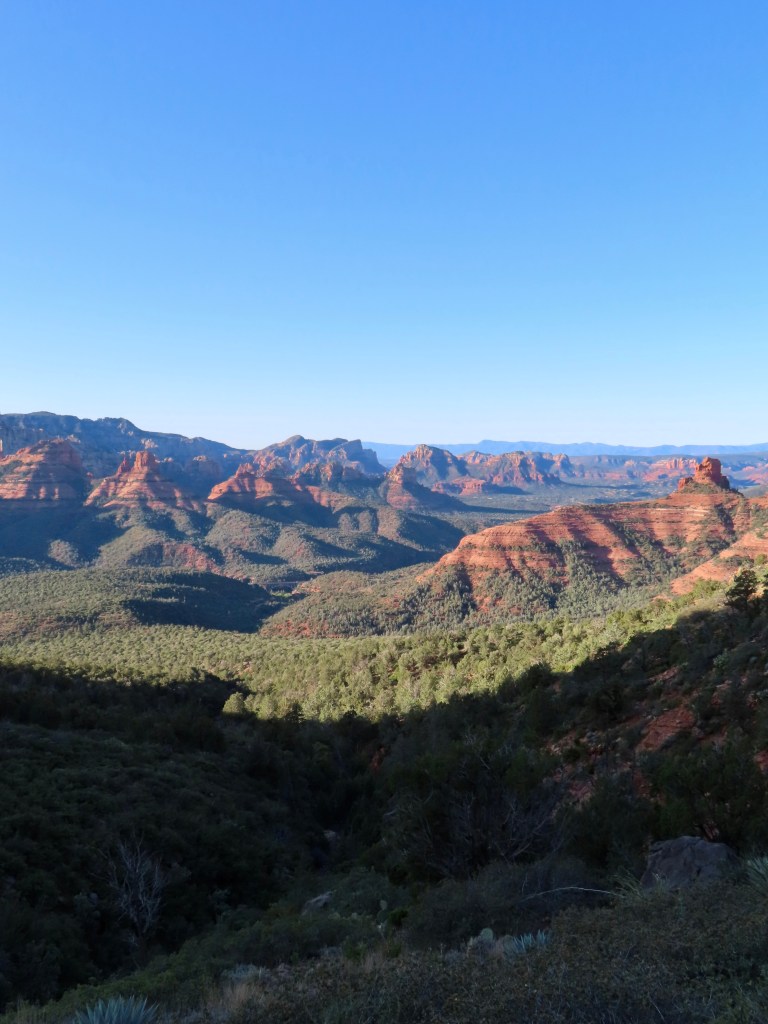
9 miles, 2500 ft elevation
Wilson Mountain is the highest peak in Sedona, and the view lives up to the hype. The elevation gain is consistent and gradual, so it’s like a long walk up a hill. There’s an impressive ponderosa pine forest at the top.
The trailhead parking lot is small, so arrive early. Fortunately, the limited parking helps reduce the crowds. Sedona is sometimes too hot to hike in summer and too snowy to hike in winter, so spring and fall are the best times to hike this peak.
Mount Baldy
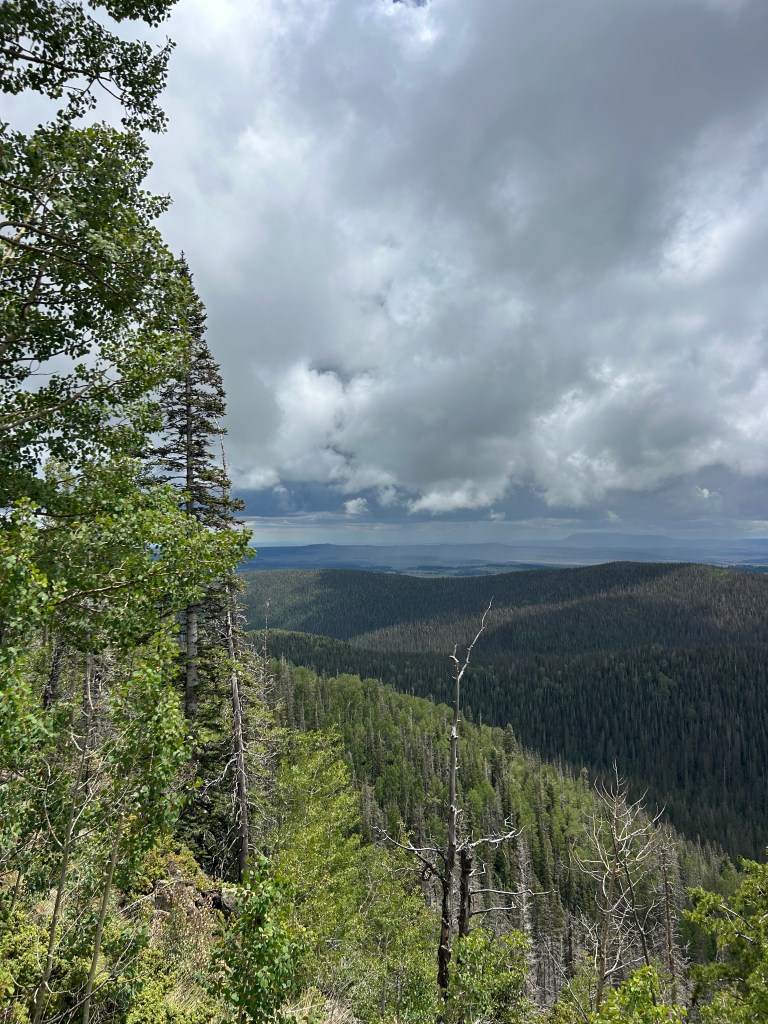
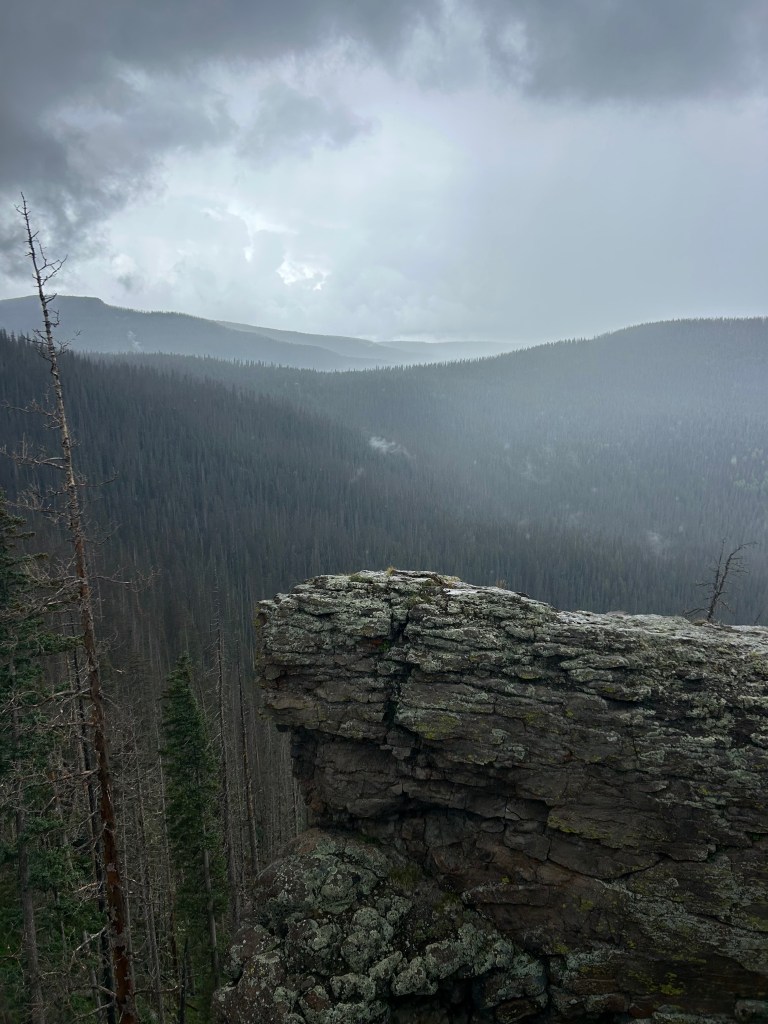
West Baldy Trail: 15 miles, 2200 ft elevation
West Baldy, East Baldy, and Crossover Loop: 19 miles, 2500 ft elevation
Baldy Peak is the highest peak in the White Mountains, Arizona’s second-highest mountain range. The summit is sacred to the Apache Tribe and not open to the public. Please be respectful. The public trail goes within 200 ft elevation of the peak and is still worth conquering. Unfortunately, the “peak” of the trail is just a sign marking West Baldy and East Baldy junction, but there were other nice views near the top.
This peak is best hiked during summer, as it’s snowy most of the year. However, it rains a lot in the White Mountains during summer, with thunderstorms in the afternoon. (That’s why it’s so green.) Prepare for alpine conditions!
Read my guide to A Weekend in the White Mountains.
Silver Peak
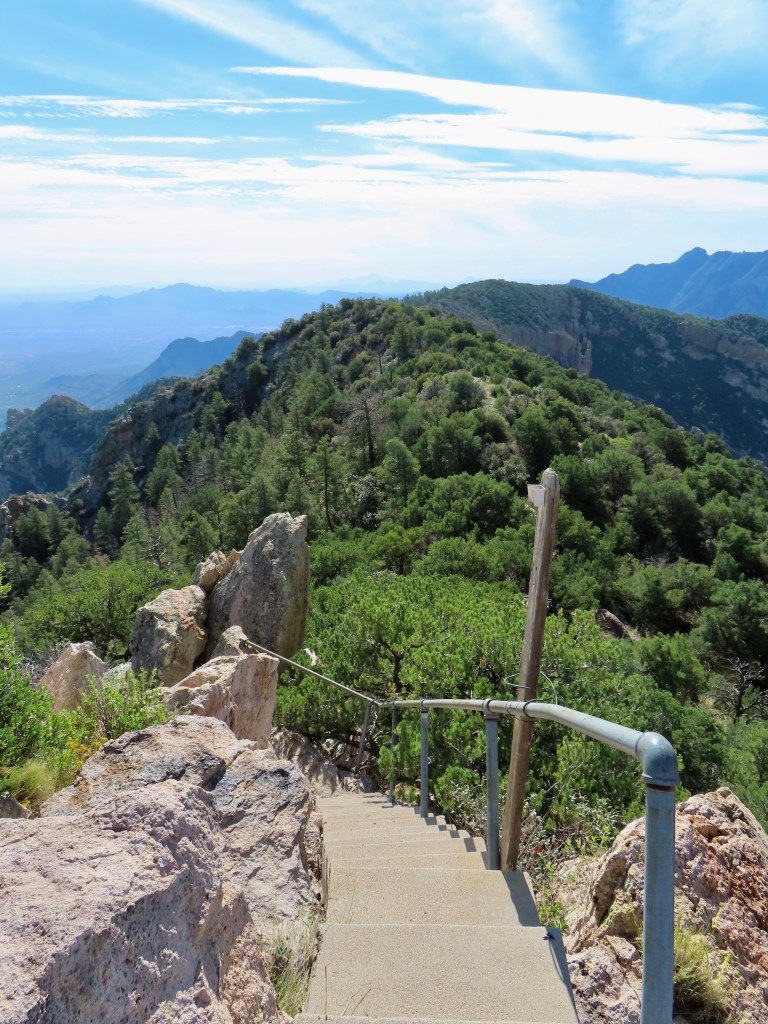
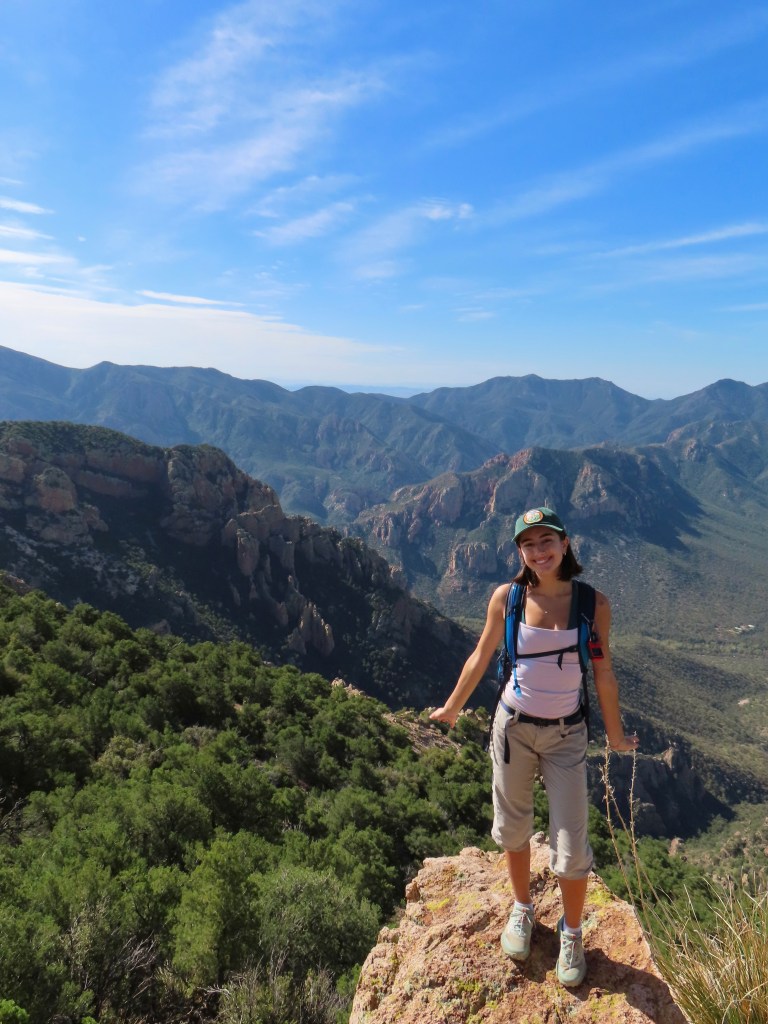
10 miles, 3000 ft elevation
Silver Peak isn’t the tallest peak in the Chiricahua Mountains, but I think it has the best trail. According to the sign at the trailhead, Silver Peak Trail crosses four life zones, each with their own unique habitats. There’s a historic lookout at the top with incredible views and interesting ruins to explore.
The elevation gain is consistent and gradual, and the trail is narrow and eroding. I highly recommend wearing full-length hiking pants; my capris were not comfortable on the overgrown trail. The Chiricahuas are sometimes too hot to hike in summer and too snowy to hike in winter, so spring and fall are the sweet spot to hike this peak. (The fall colors are great, so that’s what I’d recommend!)
Read my guide to visiting Portal, Arizona.
I’m still bagging peaks around Arizona, so I’ll continue to update this list with my favorites! Follow me on TikTok @LatitudesWithLucy to stay updated.


Leave a comment