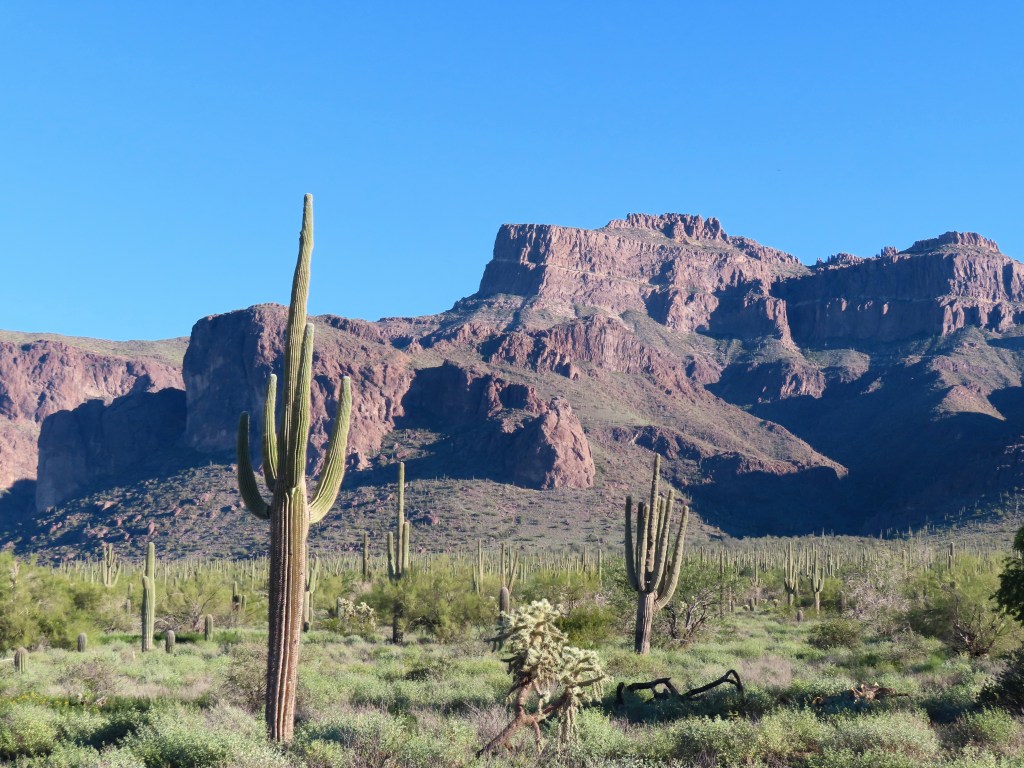
Arizona is known for its iconic desert landscapes like the Grand Canyon, Sedona, and Page, but there’s so much more to this state. Since moving to Phoenix in September 2025, I feel like I’ve traveled all over the state yet barely scratched the surface. This is a quick guide to Arizona’s geography and natural features, from my experience as an avid hiker, to help you explore deeper than the typical tourist.
The Sonoran Desert
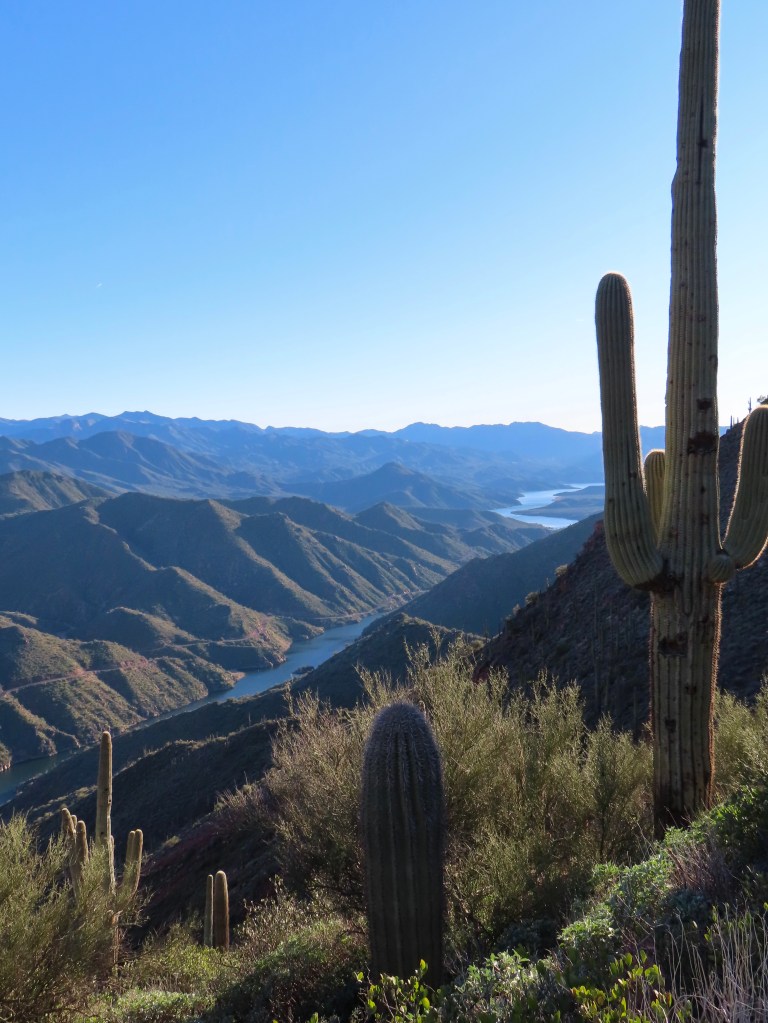
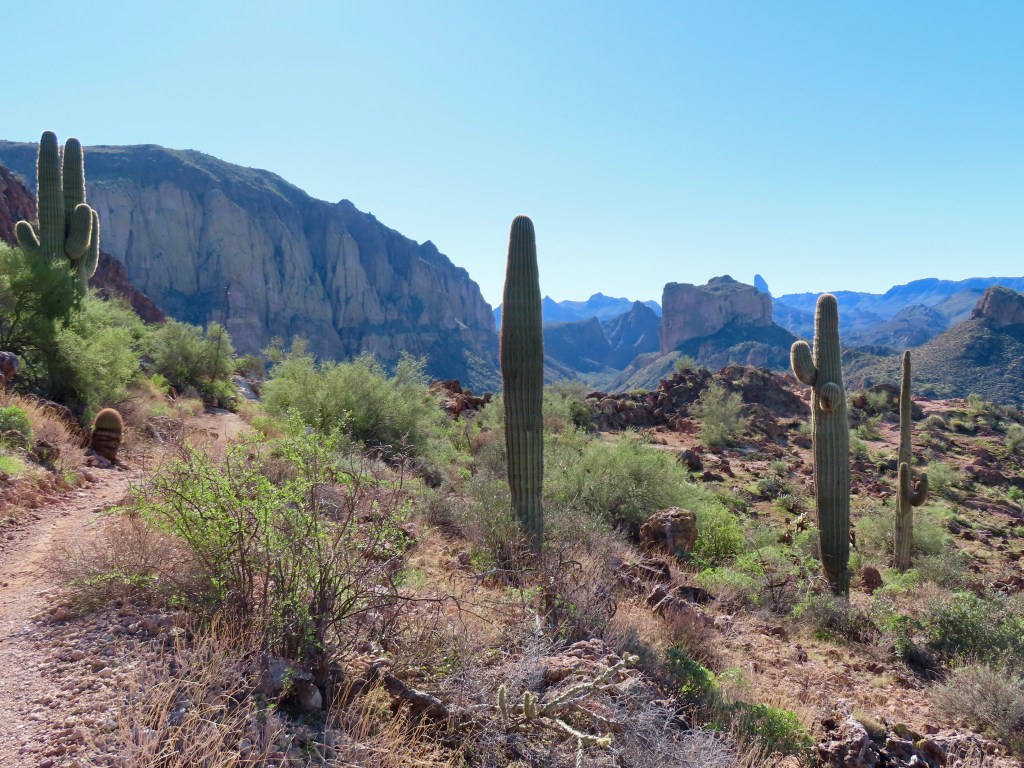
The Sonoran Desert is the largest desert in Arizona and my home living in Phoenix. The Sonoran is often named the greenest desert in the world, as there’s tons of vegetation that gets super green after rain. Rainy season, which we call monsoon season, is from summer to early fall. I moved to Phoenix in September 2025, the rainiest fall on record, and I fell in love with the beautiful, lush desert.
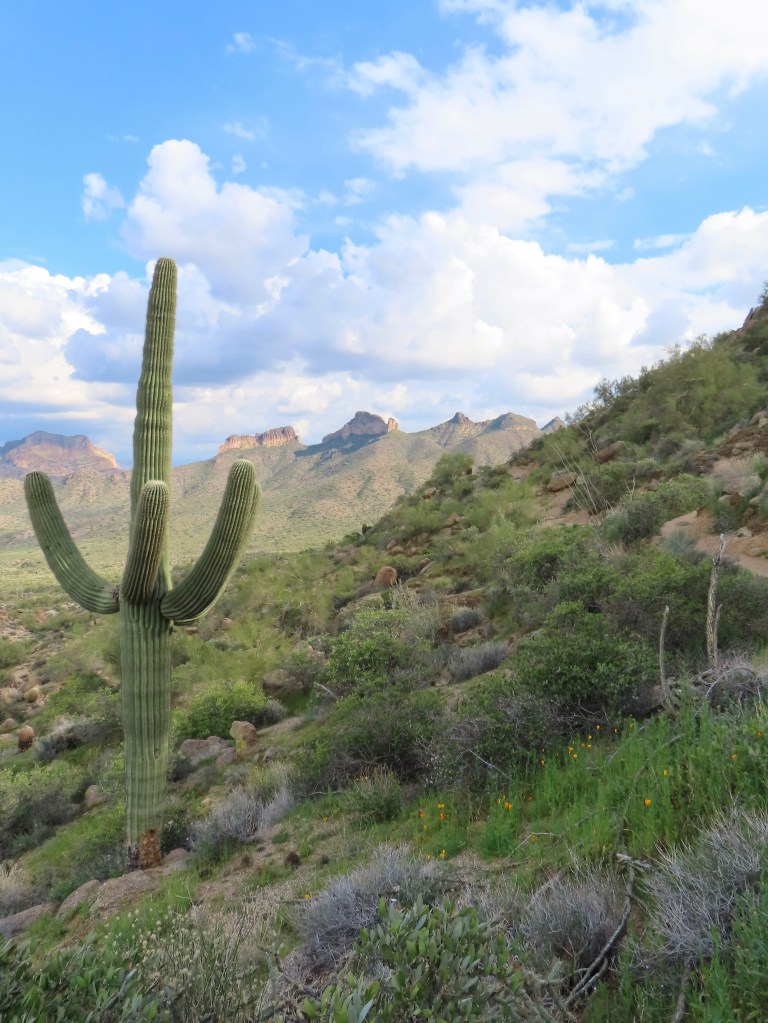
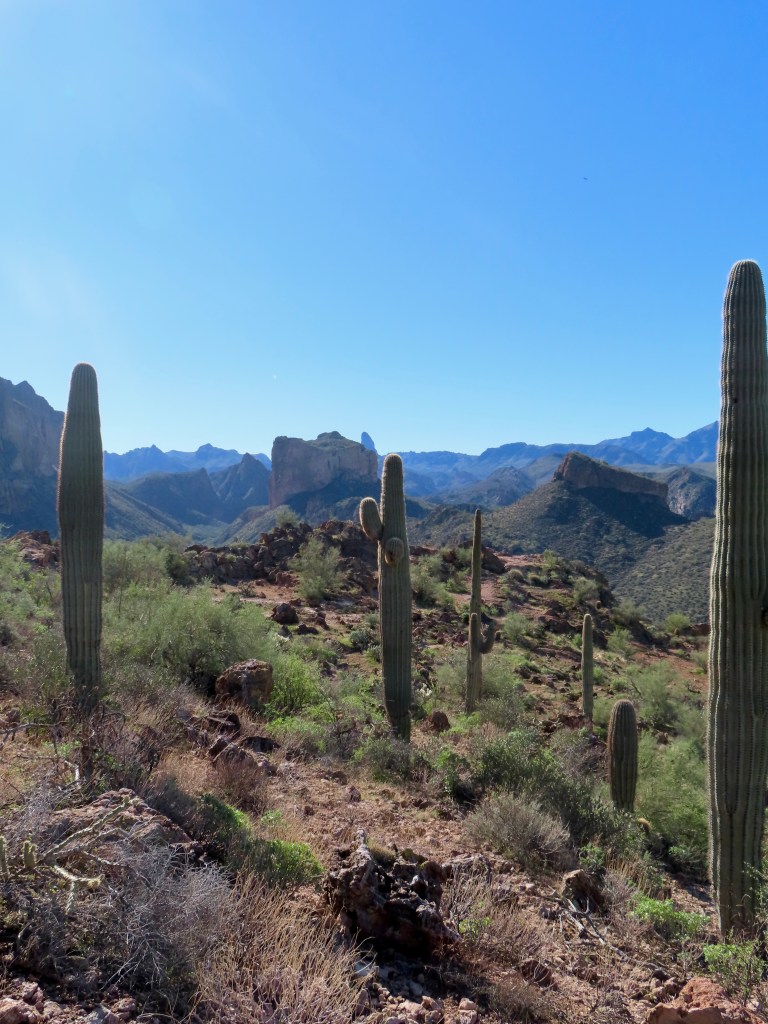
Did you know the Sonoran Desert is the only place in the world where saguaro cacti grow? The Sonoran occupies a relatively small corner of the U.S. (Arizona and California) and Mexico, which I find surprising because the saguaro is so iconic.
My favorite place to explore in the Sonoran Desert, which is well-known by locals but not many tourists, is the Superstition Mountains. See my favorite hikes listed here.
Sky Islands
Arizona’s “Sky Islands” are isolated mountain ranges rising thousands of feet above the surrounding area. These most famously include Tucson’s Santa Catalinas and Mount Lemmon, but there are many more to explore.
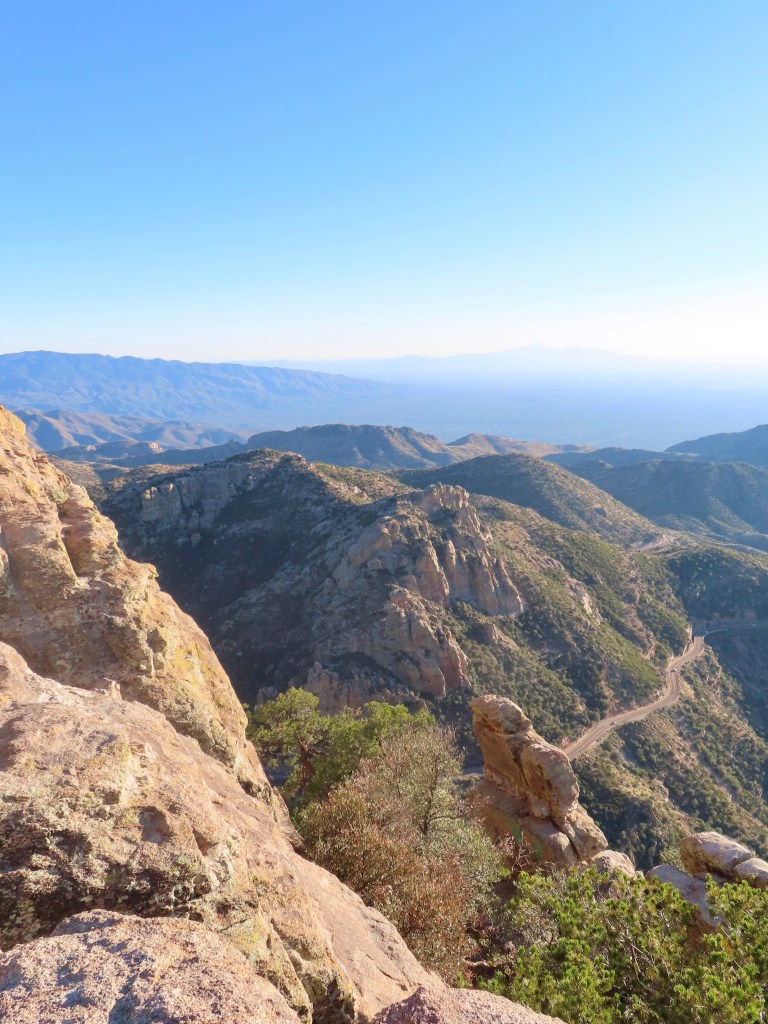
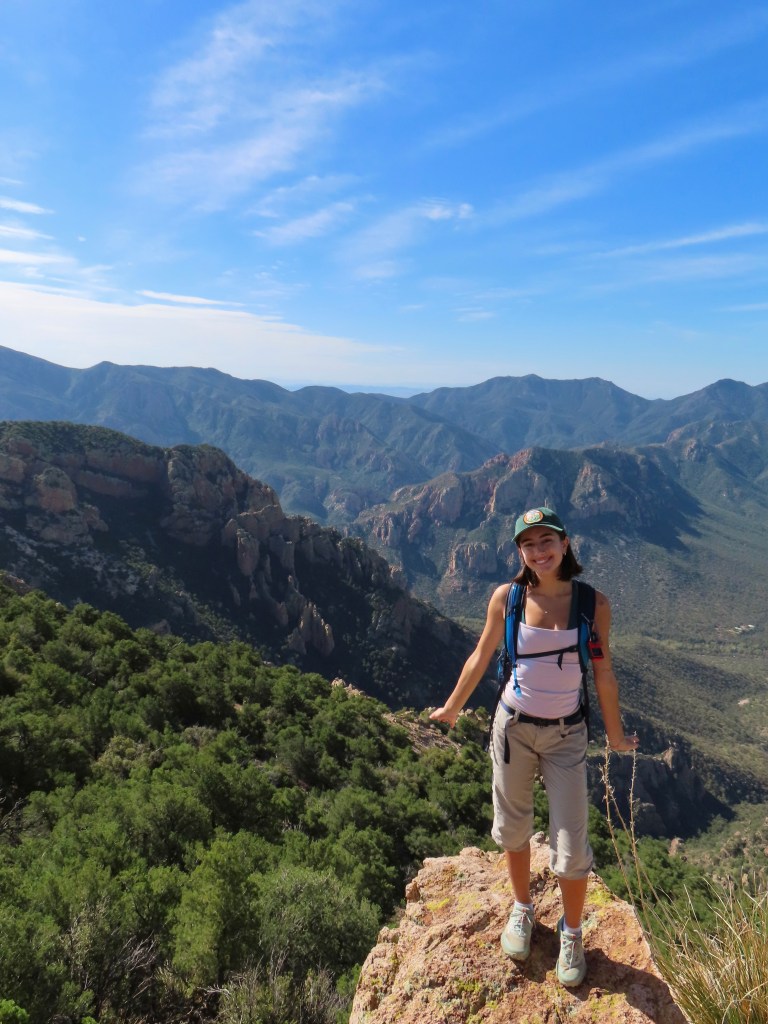
My favorite Sky Island is the Chiricahua Mountains which I recently visited from Portal, Arizona. (Read about it here)
The Mogollon Rim
The Mogollon Rim divides nearly the entire state of Arizona in half between a desert (southwest) and a ponderosa pine forest (northeast). It’s the edge of the Colorado Plateau, and its cliffs create dramatic landscapes.
Drive up the rim to escape the desert heat during summer. At the base of the rim, discover rivers and waterways cascading down.
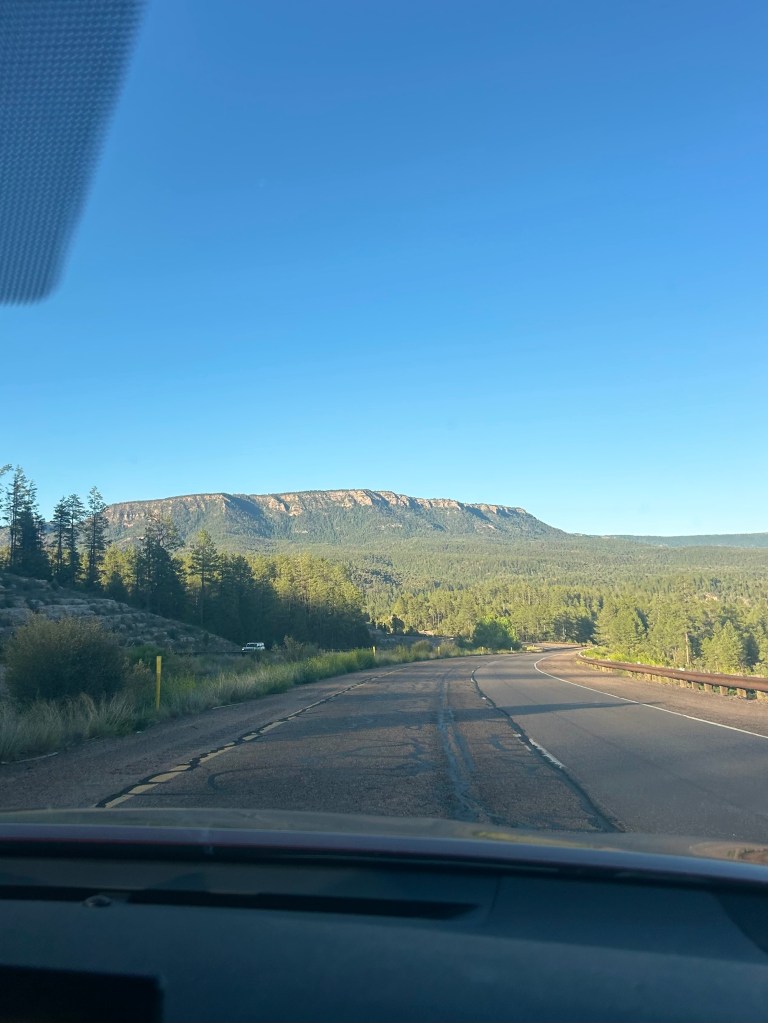
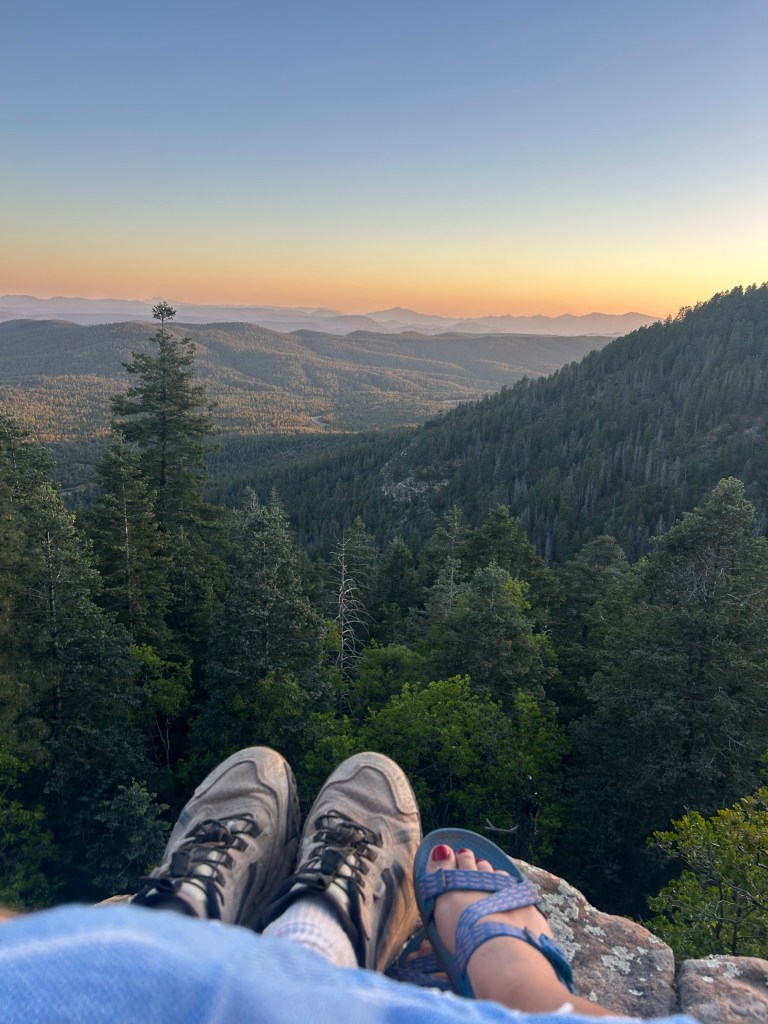
The most iconic Mogollon Rim cliffs are near the city of Payson. (Read my guide to visiting Payson here.)
Eastern Arizona
When most people visit Arizona’s ponderosa pine forests, they head north to Flagstaff. A lesser-known desert escape is Eastern Arizona atop the Colorado Plateau. Eastern Arizona has plenty of lakes and cool forests where locals have cabins or go camping during summer.
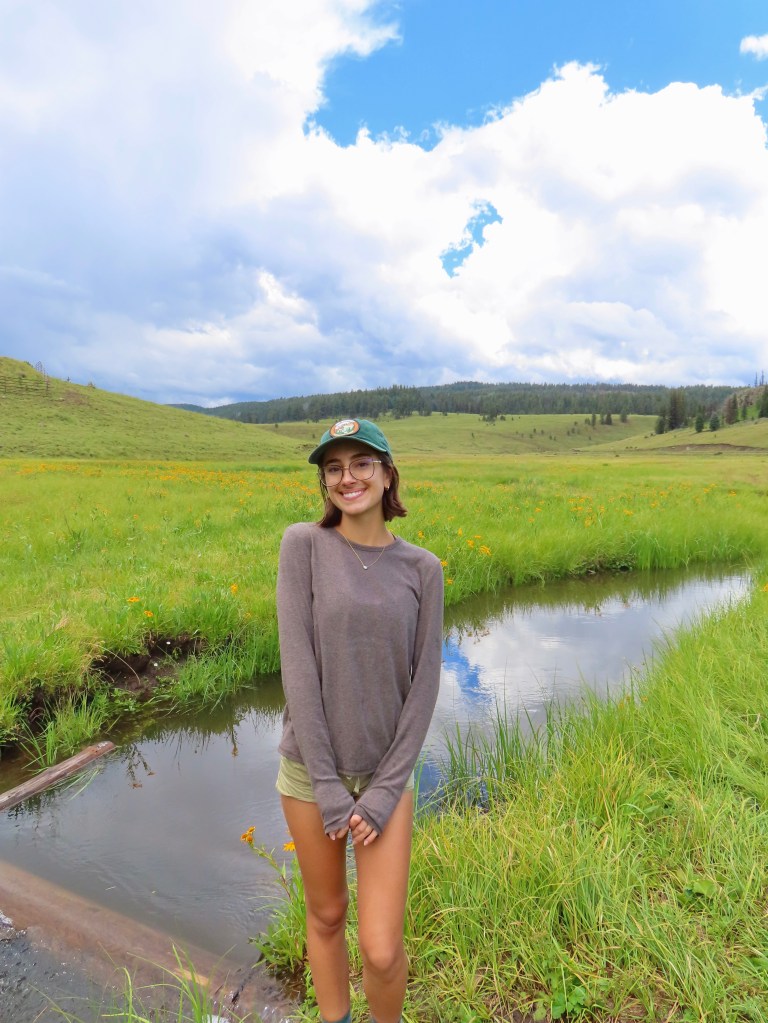
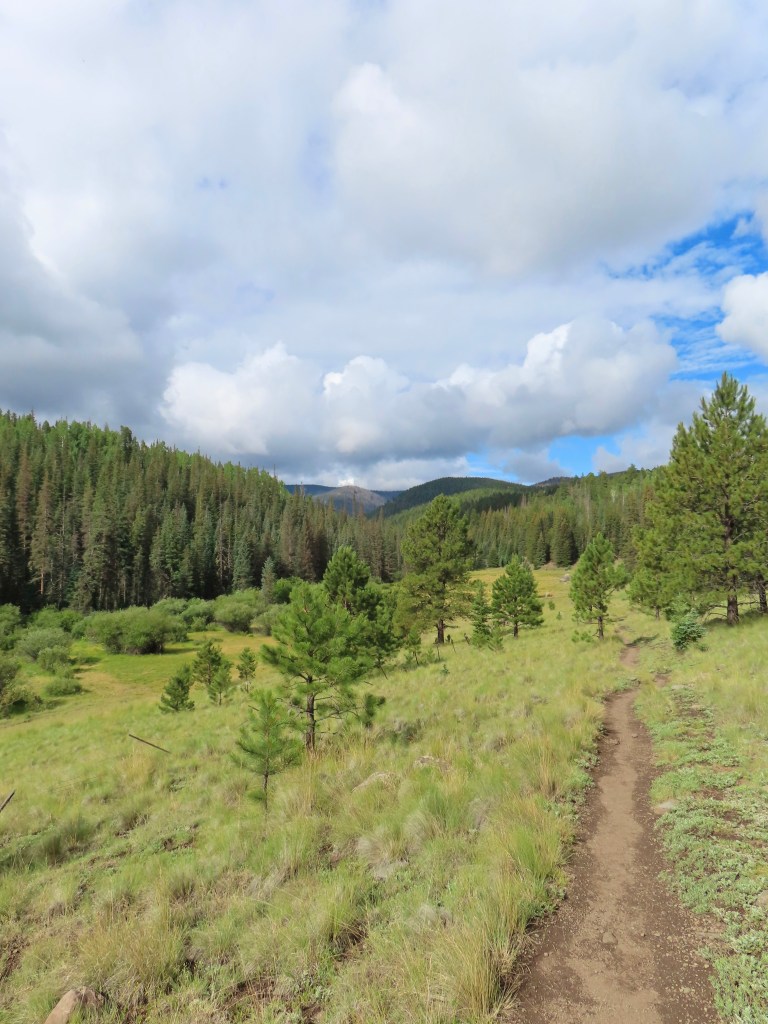
My favorite place in Eastern Arizona is the White Mountains. Spend a weekend in the White Mountains here.
The Grand Canyon and Arizona’s National Parks
Arizona has three national parks: Grand Canyon, Saguaro, and Petrified Forest. Additionally, Chiricahua National Monument has been rumored to become a national park soon.
That being said, national monuments and forests are just as cool as national parks! Organ Pipe Cactus and Canyon de Chelly are a couple of my favorite monuments. Sedona is in Coconino National Forest.

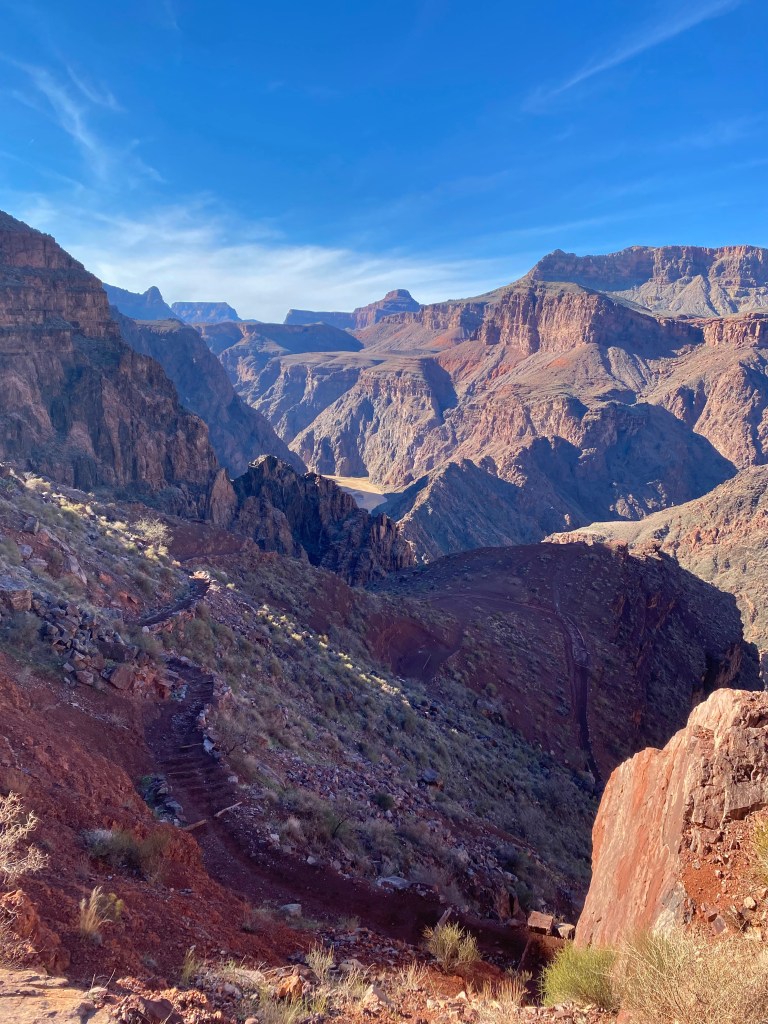
When I say, “There’s so much more than the Grand Canyon,” I want to be clear that it’s not for lack of love for the Grand Canyon. It’s one of the coolest places I’ve ever been. With epic adventures like Rim-to-Rim (R2R), Havasupai (I’ll let you know when I win the permit lottery), and river rafting trips, there is so much to love. It’s truly impossible to comprehend the size of the Grand Canyon, and you can find plenty of roads-less-traveled, too.
Sedona Alternatives
Sedona is absolutely worth a visit, and you can read my Sedona hiking guide. But, when you get tired of the crowds, I have several alternative suggestions.
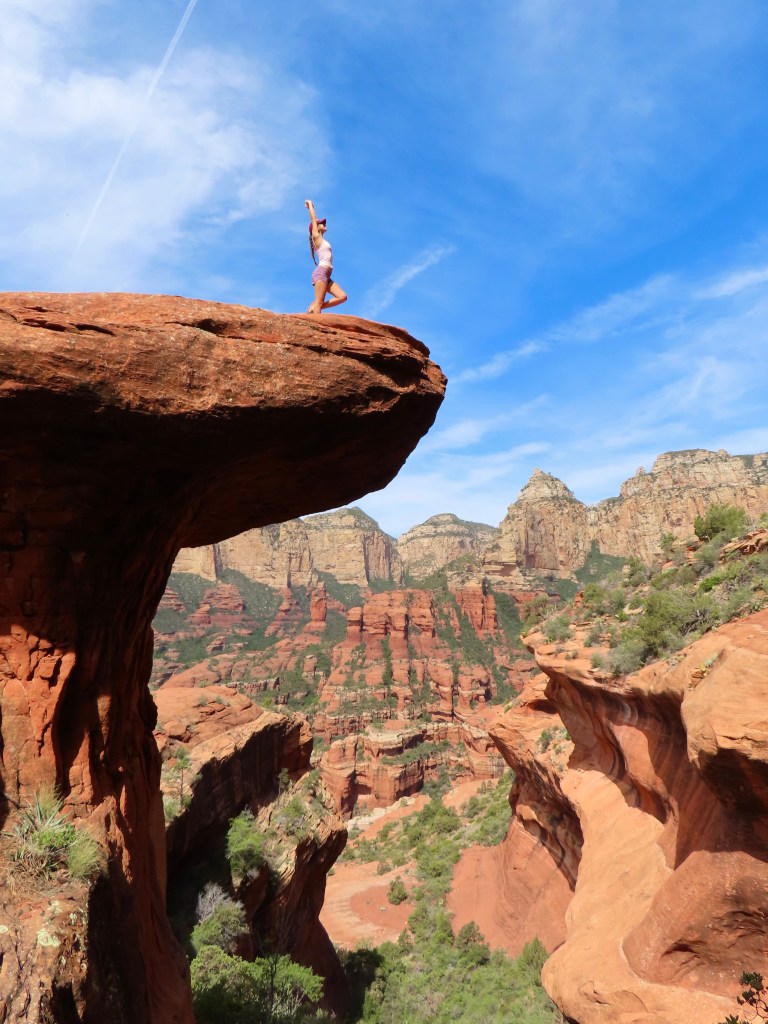
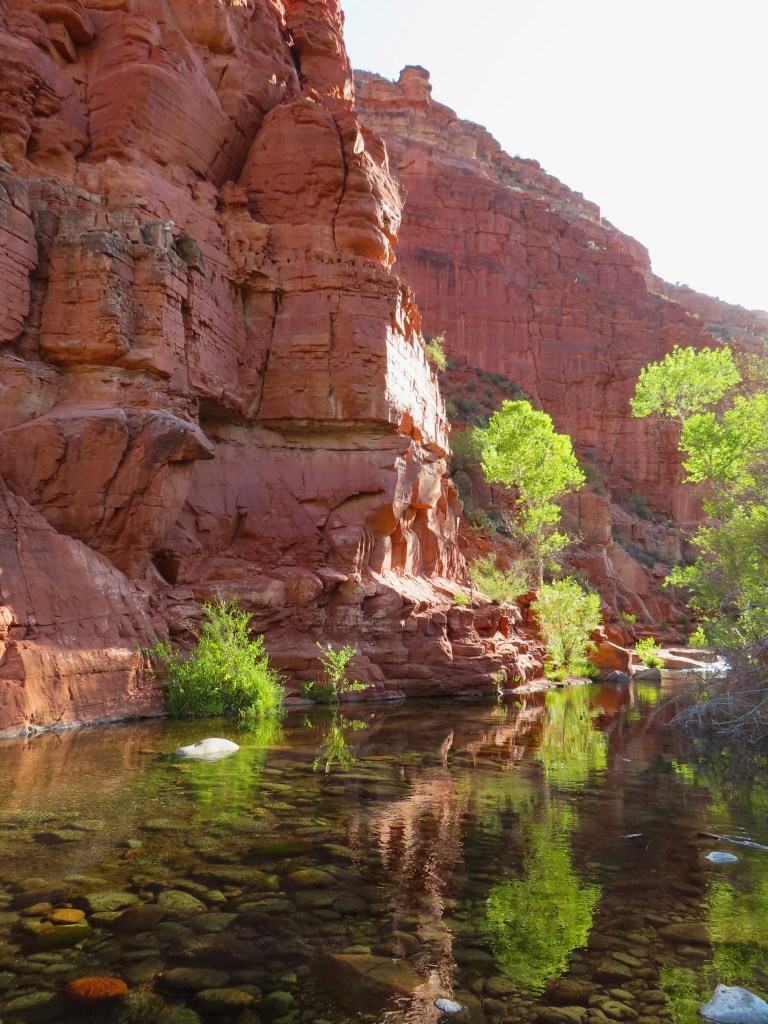
Jerome is a historic ghost town near Sedona, well-known by locals for its wineries. Camp Verde near Sedona is a jumping-off point for West Clear Creek Wilderness and Fossil Creek Wilderness.
Sedona is at the base of the Mogollon Rim, so any wilderness/recreation area along the base of the Mogollon Rim will have some similarities to Sedona!
Seasons in Arizona
Contrary to popular belief, Arizona has seasons! Higher elevations like the Sky Islands, Mogollon Rim, and Colorado Plateau have “typical” seasons like changing leaves in fall and snow in winter. The deserts have seasons, too; they’re just not as obvious. Beautiful monsoon storms in summer lead to lush greenery in fall. The high deserts get snow in winter. Spring brings wildflower blooms like poppies in the Sonoran.
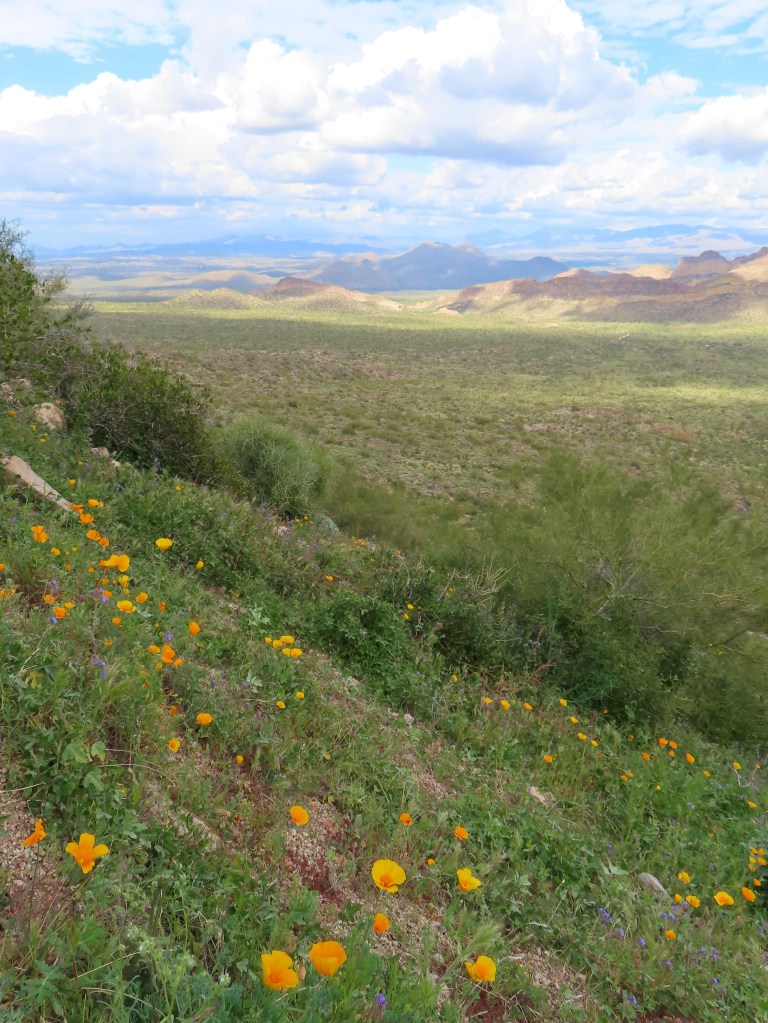
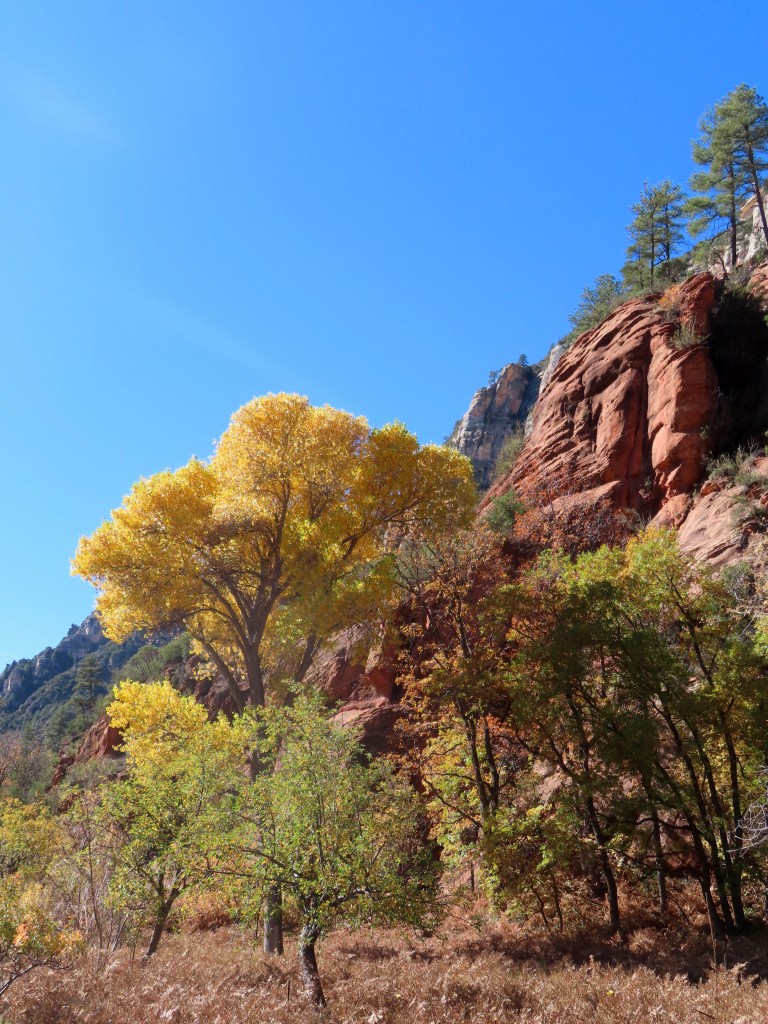
One of my favorite parts about fall in Arizona is that, if you time it right, you can chase fall colors from October to December. Read my guide to finding fall colors in Arizona.
Summer in Phoenix is a brutal time, but I had a fantastic summer exploring swimming holes and hiking at higher elevations. Read about summer adventures in Arizona and my guide to summer hiking in Arizona.
This winter, seeing “Snowdona” (Sedona with a fresh dusting of snow) is on my list. One of my lifelong bucket list items is seeing snow on saguaros in Saguaro National Park; it happens every few years. I also have yet to visit one of Arizona’s ski resorts: Snowbowl in Flagstaff, Mount Lemmon in Tucson, and Sunrise in the White Mountains.
Appreciating Arizona
The best way to truly appreciate Arizona is through learning.
Did you know the Salt River is formed by the confluence of the Black and White Rivers in the White Mountains? Learning about Arizona’s waterways helped me discover beautiful valleys, canyons, and swimming holes. Understanding how everything is connected gives me a deeper appreciation for the environment.
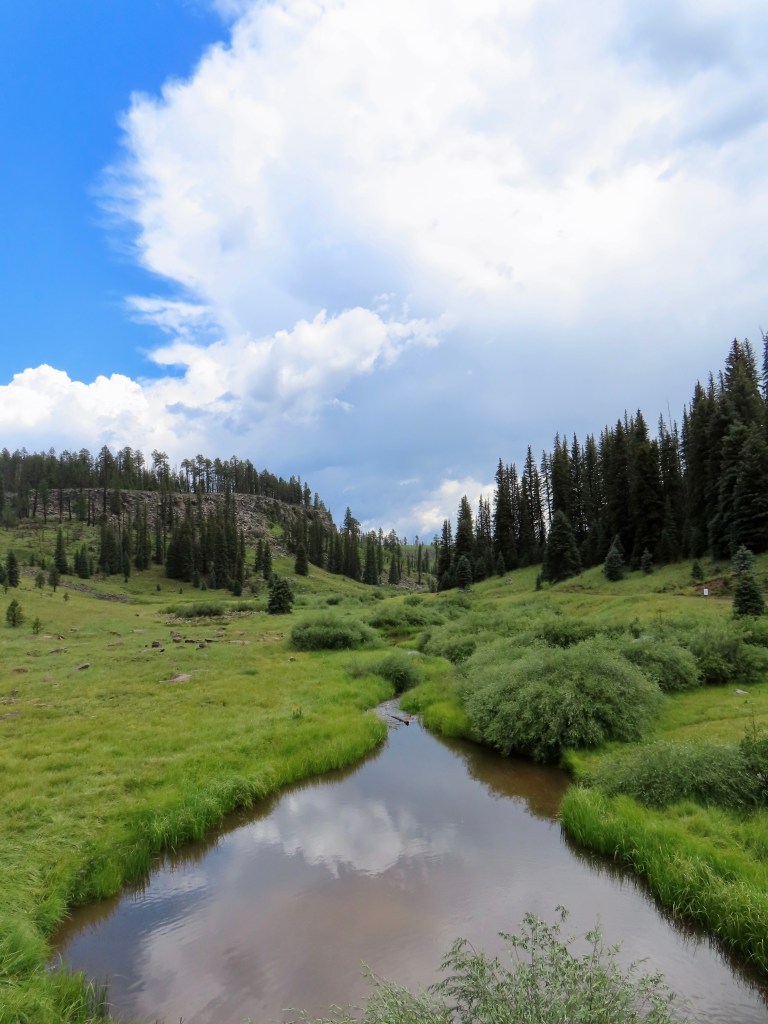
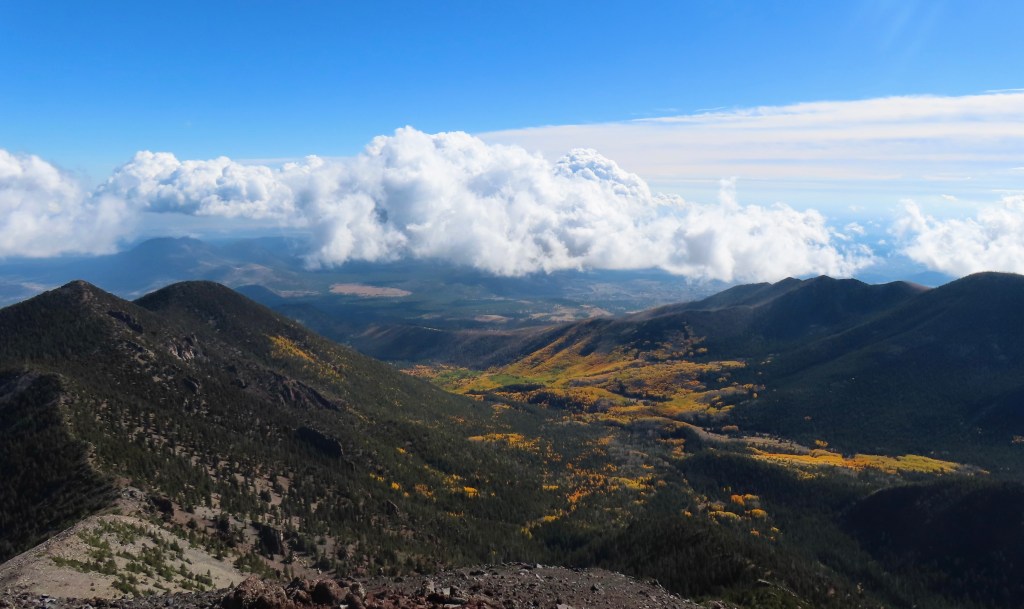
Did you know Flagstaff’s San Francisco Peaks were once a single, massive stratovolcano? You can find craters and volcanic fields in the area.
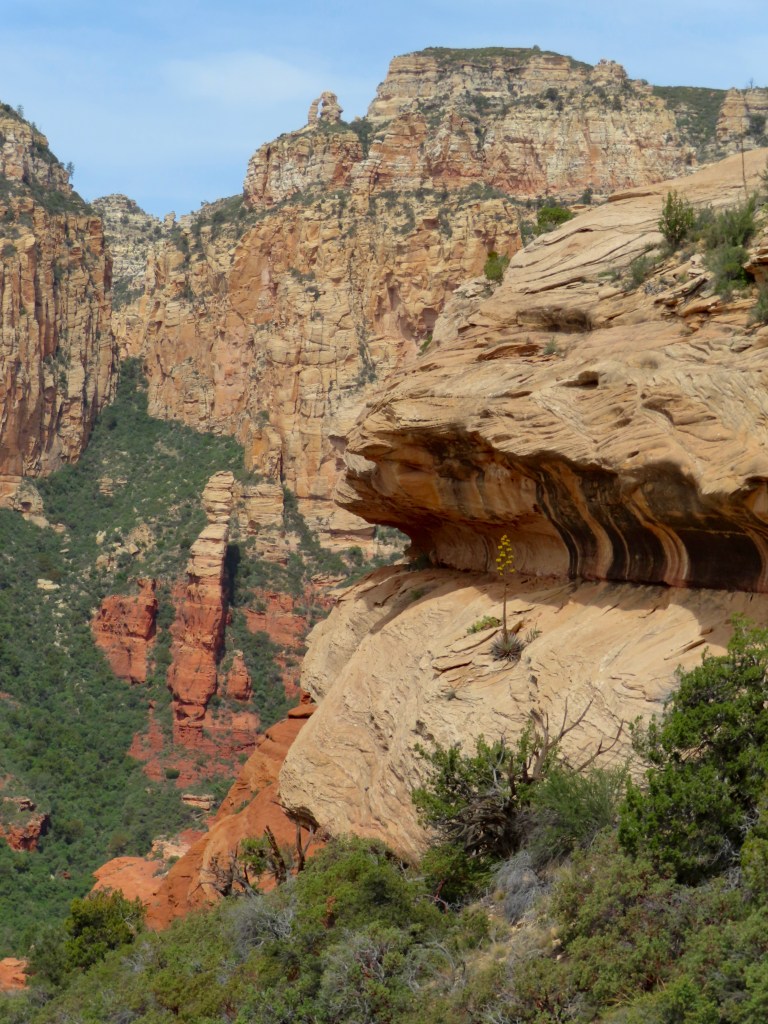

The century plant (a type of agave/aloe) lives 10-30 years and only blooms once at the end of its life. Aspen trees are connected by their roots, so a grove of aspen trees is actually one single organism.
Learning about Arizona’s geological history, plants, animals, seasonal and weather patterns, etc., makes you a better explorer. There’s no place on Earth like Arizona, and I feel lucky to call it home!
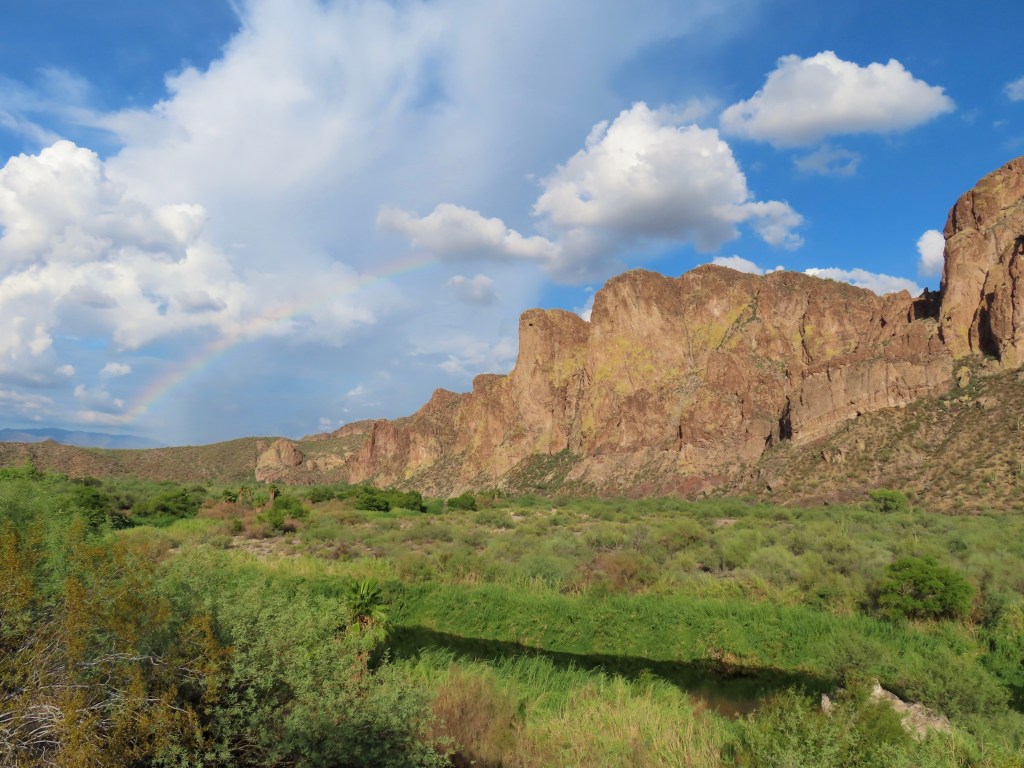
Bulldozing through Arizona’s Organ Pipe Cactus National Monument and cutting down 200-year-old cottonwood trees for a border wall is an absolute tragedy. It might feel like the American people have lost our power, but we cannot give up. A judge in Texas heard us and halted border wall construction at Big Bend National Park. Arizona, make your voices heard! Sign the petitions, call your representatives, and VOTE in the midterms this November.



Leave a Reply